How to Bathe a Dog: The Complete Guide to Safe, Gentle & Effective Bathing
Master the art of dog bathing — from choosing the right shampoo and step‑by‑step techniques to drying and making bath time stress‑free for both you and your furry friend.
Bathing your dog is more than just a cosmetic routine — it is a vital part of dog grooming that directly affects skin health, coat quality, and even early detection of lumps or parasites. Yet many owners either over‑bathe or do it incorrectly, leading to irritation, fear, or incomplete hygiene. This guide walks you through every detail: frequency, supplies, technique, drying, and solutions for difficult dogs. By the end, you’ll be confident to give your dog a professional‑level bath at home, saving money and strengthening your bond.
Why Regular Bathing Matters for Your Dog’s Health
A proper bath removes dirt, allergens, excess oil, bacteria, and loose fur. It also helps control parasites like fleas when using medicated dog shampoo. Regular bathing allows you to inspect your dog’s skin for abnormalities — bumps, rashes, ticks, or dry patches — that might otherwise go unnoticed. Dogs with allergies or dog skin problems often benefit from hypoallergenic or oatmeal baths. Moreover, a clean coat reduces the chance of matting, which can lead to painful skin infections.
How Often Should You Bathe Your Dog?
The ideal bathing frequency depends on coat type, lifestyle, and health condition. Most indoor dogs benefit from a bath every 4 to 6 weeks. However:
- Short‑haired breeds (Beagles, Boxers): every 6–8 weeks.
- Double‑coated breeds (Huskies, Golden Retrievers): every 8–12 weeks, but more frequent brushing.
- Oily‑skinned dogs (Cocker Spaniels, Basset Hounds): every 2–4 weeks with a balancing shampoo.
- Dogs with allergies or medicated needs: follow vet advice, often weekly or bi‑weekly.
- Puppies: start after 8 weeks, only when necessary (use mild puppy shampoo).
If your dog spends lots of time outdoors, rolls in mud, or has a strong odor, bathe as needed. Remember that brushing and spot‑cleaning can extend time between full baths. Consult our detailed complete grooming guide for coat‑specific schedules.
Essential Supplies for a Home Dog Bath
🛁 Core supplies
- Dog‑specific shampoo (choose based on skin type: oatmeal, hypoallergenic, medicated)
- Conditioner (optional but helpful for long coats)
- Rubber bath mat or towel (non‑slip)
- Handheld showerhead or large plastic cup
- Microfiber towels (2–3)
- Cotton balls (to protect ears)
🧴 Extra helpers
- Dog brush / comb – detangle before bath
- Pet dryer or high‑velocity dryer (best for thick coats)
- Lick mat with peanut butter (distraction)
- Ear cleaner – clean after bath
- Paw balm – protects pads after drying
Using the right dog products ensures safety and effectiveness. Never use human shampoo — it disrupts the pH balance and can cause severe irritation. Look for pH‑balanced, alcohol‑free formulas.
Step‑by‑Step: How to Bathe Your Dog Like a Pro
- Brush thoroughly before the bath. Remove mats, tangles, and loose undercoat. Wet mats tighten, making them harder to remove and trapping moisture against skin.
- Prepare the bathing area. Place a non‑slip mat in the tub or shower. Fill lukewarm water (not hot, not cold; approx. 100°F / 38°C). Assemble all supplies within reach.
- Protect the ears. Place a cotton ball gently in each ear canal (do not push deep) to prevent water entry, which can cause ear infections.
- Wet your dog gradually. Start from the rear and work toward the head, avoiding eyes and ears. Use a handheld sprayer or cup. Speak calmly.
- Apply shampoo from neck to tail. Dilute shampoo according to label (usually 1:10). Massage into the coat in circular motions, paying attention to armpits, belly, and paws. Avoid the face area.
- Rinse, rinse, rinse. Incomplete rinsing leaves residue that irritates skin. Continue until water runs completely clear. Double‑rinse for thick coats.
- Condition (optional). For long or dry coats, apply conditioner, wait 1–2 minutes, then rinse thoroughly.
- Face cleaning (separately). Use a damp washcloth or a no‑rinse facial cleanser to clean around eyes and muzzle. Never pour water directly on the face.
- Towel dry. Squeeze excess water (do not rub vigorously, as it causes tangles). Use several towels to absorb moisture.
- Blow‑dry or air dry. Use a low‑heat pet dryer, keeping the nozzle moving to avoid burns. For short‑haired dogs, air drying in a warm room is fine but ensure no chilling. Brush while drying to prevent mats.
Choosing the Best Shampoo for Your Dog’s Skin & Coat
The market is flooded with options. Here’s how to pick based on your dog’s needs:
| Shampoo Type | Best for | Price range (8–16 oz) |
|---|---|---|
| Oatmeal & Aloe | Dry, itchy, sensitive skin | $12–$20 |
| Hypoallergenic | Allergy‑prone dogs, no fragrances | $15–$25 |
| Medicated (chlorhexidine or ketoconazole) | Bacterial/fungal infections (vet recommended) | $18–$35 |
| Flea & tick shampoo | Infestations (use with preventive meds) | $10–$22 |
| Brightening/whitening | White or light coats | $14–$24 |
| Waterless/dry shampoo | In‑between baths, dogs who hate water | $9–$18 |
Always read ingredients: avoid artificial dyes, parabens, and harsh sulfates. For puppies, use tear‑free puppy shampoo. For double coats, consider a deshedding shampoo to reduce shedding. See our curated dog shampoo recommendations for top veterinarian‑approved brands.
Drying & Post‑Bath Care: Preventing Skin Issues
Improper drying is a leading cause of hotspots and fungal infections. After towel‑drying, use a pet blow dryer on low/medium heat. Keep the dryer 6 inches away, constantly moving. For dogs that fear dryers, absorbent microfiber towels and air‑drying in a warm, draft‑free space are alternatives. Ensure the undercoat is completely dry. After the bath, brush the coat again to redistribute natural oils. Also clean the ears gently with a vet‑approved dog ear cleaner to remove moisture. Finally, check and trim nails if needed — wet nails are softer, but you can do it after fully dry; refer to dog nail trimming for technique.
Common Dog Bathing Mistakes (And How to Avoid Them)
- Using human shampoo or dish soap: Strips protective oils, leads to severe dryness. Always use canine‑specific products.
- Bathing too often: Causes brittle coat and flaky skin. Stick to recommended intervals unless vet advises otherwise.
- Skipping brushing before bath: Makes mats worse and reduces shampoo efficacy. Always brush first.
- Water that is too hot or too cold: Can burn or shock your dog. Test water with your wrist — lukewarm is ideal.
- Not rinsing enough: Residual shampoo leads to itching and irritation. Rinse at least twice as long as you think you need.
- Forcing a fearful dog: Creates long‑term anxiety. Desensitize using positive reinforcement — consider dog training techniques to build comfort.
Special Situations: Puppies, Seniors & Medical Conditions
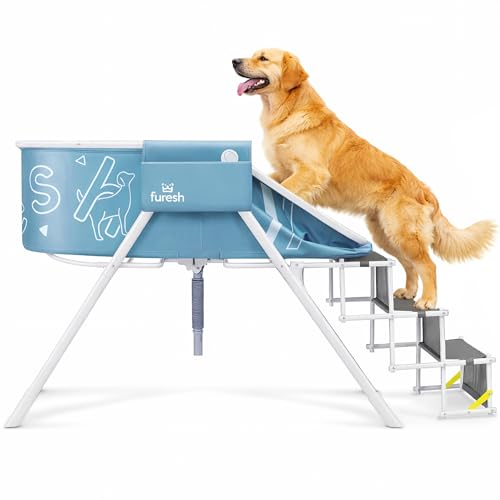
Puppies: Start after 8 weeks, use mild puppy shampoo. Keep sessions short, positive, and warm. For a full puppy guide, see our resources on early socialization. Senior dogs: Arthritis may make standing painful. Use a bath mat, keep water shallow, and consider a walk‑in tub. Dogs with skin diseases: Only use medicated shampoos prescribed by your vet. For dogs recovering from surgery, consult your vet before bathing. Also, dogs with dog allergies benefit from hypoallergenic, fragrance‑free formulas and cool water to soothe inflammation.
Frequently Asked Questions About Dog Bathing
🐕 When to see a professional: If your dog has severe matting, extreme anxiety, aggression, or a skin condition requiring medicated dips, a professional groomer or veterinary bath is safer. For many dogs, however, home bathing with correct technique is cost‑effective and rewarding. Pair bath time with positive reinforcement to create a pleasant routine.
Now you have the complete blueprint to bathe your dog effectively and safely. Gather your supplies, follow the steps, and transform bath time from a chore into a refreshing ritual that keeps your dog looking and feeling great. Ready to upgrade your bathing arsenal? Check out our recommended products below.