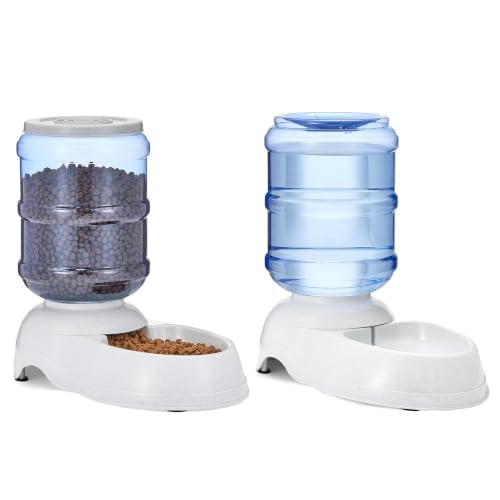
Automatic Dog Feeder Buying Guide
Everything you need to know before choosing an automatic dog feeder — portion control, timers, app connectivity, capacity, and the features that actually matter for your dog's health and routine.
An automatic dog feeder can transform your dog's daily routine — and yours. Instead of rushing home at a fixed hour or asking a neighbor to stop by, a programmable feeder dispenses precise portions on a schedule you set. For dogs who eat too fast, beg at the table, or need to lose weight, a portion-controlled feeder removes guesswork and enforces consistency that manual feeding rarely achieves.
But not all automatic feeders are created equal. Some are simple timer-based hoppers that do one job well. Others are app-connected devices with cameras, voice recording, and portion tracking. The right choice depends on your dog's size, eating habits, your travel frequency, and how much you want to spend. This guide breaks down every feature so you can decide with confidence.
Why Use an Automatic Dog Feeder?
Automatic feeders solve real problems for real dogs. Before you compare models, it helps to understand exactly what benefits you should expect — and which ones matter most for your situation.
- Consistent feeding schedule: Dogs thrive on routine. A programmable feeder delivers meals at the same times every day, which supports digestion, blood sugar stability, and calmer behavior. This is especially valuable for dogs with special dietary needs or those on a veterinarian-prescribed feeding plan.
- Accurate portion control: Overfeeding is the leading cause of canine obesity. A feeder that dispenses measured portions removes the human error that leads to extra scoops and table scraps. For dogs prone to weight gain, this alone justifies the investment.
- Freedom for busy owners: Long work shifts, unpredictable schedules, and occasional travel no longer mean missed meals. A feeder with a battery backup keeps dispensing even during power outages.
- Slower eating: Some feeders dispense food in small increments or include slow-feed designs, which helps dogs who gulp their food and are at risk of bloat. If your dog eats too fast, read our guide on dog bloat and preventive gastropexy.
- Reduced begging: When food arrives on a schedule rather than from your plate, many dogs stop associating human meals with their own. Combine a feeder with training to stop jumping at the table for best results.
- Multi-dog households: Feeders with separate compartments or microchip-activated lids let you feed multiple dogs different portions without supervision.
Who benefits most from an automatic feeder?
Busy professionals, frequent travelers, owners of overweight or food-obsessed dogs, multi-dog households, and anyone whose dog needs a strictly timed feeding routine. Puppies and dogs with medical conditions should always be monitored closely, even with a feeder.
Types of Automatic Dog Feeders
Automatic feeders fall into a few broad categories. Understanding the differences helps you narrow your search before comparing individual models.
Basic Timer Feeders
Simple hopper with a digital timer that dispenses a set number of portions at programmed times. No app, no camera, no internet. Reliable and easy to use — the workhorse of automatic feeders.
Entry-levelProgrammable Multi-Meal Feeders
Allow multiple feeding times per day with adjustable portion sizes per meal. Often include a voice recording that plays before dispensing to call your dog. A solid middle ground for most households.
Mid-rangeSmart / App-Connected Feeders
Wi-Fi or Bluetooth connectivity lets you schedule meals, adjust portions, and monitor feeding from your phone. Many include cameras, two-way audio, and feeding logs. Ideal for travelers and tech-comfortable owners.
PremiumMicrochip-Activated Feeders
Open only for the dog registered to the feeder, using an RFID collar tag or microchip. Perfect for multi-dog homes where one dog steals another's food. Usually premium-priced and designed for dry kibble.
LuxuryKey Features to Compare
When comparing automatic dog feeders, focus on the features that affect daily reliability and your dog's health — not the longest feature list.
Capacity and Hopper Size
Hopper capacity should match your dog's daily intake and how often you want to refill. Small dogs eat far less than large breeds, so a compact feeder is sufficient. Large-breed owners should prioritize bigger hoppers to avoid daily refills. Check that the hopper lid seals tightly — loose lids invite pests and let kibble go stale.
Portion Control Mechanism
Look for feeders with adjustable portion sizes, typically measured in small increments. The dispensing mechanism should handle your dog's kibble size without jamming. Very small kibble can slip through oversized augers, while very large kibble can clog narrow ones. Read the manufacturer's kibble-size recommendations before buying.
Timer and Programming
A good timer supports multiple meals per day, is easy to set without a manual, and retains settings after a power loss. Battery backup is non-negotiable if you live in an area with frequent outages. For dogs on a strict schedule, consider a feeder that alerts you when the hopper is low.
App Connectivity and Monitoring
Smart feeders add convenience but also complexity. Useful smart features include remote scheduling, feeding notifications, portion logs, and a camera to confirm your dog actually ate. If you travel often or have a dog with separation anxiety, a feeder with two-way audio can help — pair it with strategies from our guide on separation anxiety in dogs.
Cleaning and Maintenance
Food-contact parts should be removable and dishwasher-safe. Feeders that are hard to disassemble accumulate stale kibble and bacteria. Check whether the hopper has smooth interior walls that prevent food from sticking in corners.
| Feature | Why It Matters | Priority Level |
|---|---|---|
| Battery backup | Keeps meals dispensing during power outages | Essential |
| Adjustable portion sizes | Prevents overfeeding and supports weight management | Essential |
| Locking lid | Keeps food fresh and deters determined dogs | High |
| Multiple meal settings | Supports twice-daily or more frequent feeding | High |
| Dishwasher-safe parts | Makes hygiene easy and reduces bacteria buildup | Medium |
| App connectivity | Remote control and feeding confirmation while away | Optional |
| Camera and audio | Confirms eating and lets you interact with your dog | Optional |
Portion Control & Feeding Schedule
Portion control is the single most important function of an automatic feeder. Done right, it supports healthy weight and steady energy. Done wrong, it can leave your dog hungry or overfed.
Setting the Right Portion
Start with the feeding guidelines on your dog's food packaging, then adjust based on your dog's body condition. You should be able to feel — but not see — your dog's ribs, and see a visible waist from above. Your veterinarian can confirm the correct daily amount. For dogs with allergies or sensitive stomachs, the feeder should work with the right food for sensitive stomachs.
Building a Feeding Schedule
Most adult dogs do well with two meals per day. Puppies need three to four smaller meals, while senior dogs may benefit from smaller, more frequent portions. Program the feeder to match the schedule your dog already knows, then adjust only if your vet recommends it.
Portion-control checklist:
• Confirm daily calorie needs with your vet
• Measure the feeder's portion size with a kitchen scale once
• Weigh your dog monthly and adjust portions gradually
• Refill the hopper before it runs empty
• Keep water available at all times
Tip: Run a test dispense into a measuring cup for a week before relying fully on the feeder. Portion sizes vary between models, and what the manufacturer calls a "portion" may not match your dog's needs.
Safety & Reliability
An automatic feeder is only useful if it works every single day. Reliability and safety should outweigh extra features when you compare models.
Power and Backup
Most feeders run on mains power with battery backup, or on batteries alone. Battery-only models are fine as a primary option if you check batteries regularly, but a mains-powered unit with backup batteries is more dependable. Always keep fresh batteries installed even when the feeder is plugged in.
Dog-Proofing the Feeder
Determined dogs can tip over lightweight feeders or pry open loose lids. Choose a feeder with a weighted base or non-slip feet, and a lid that locks. Place the feeder against a wall or in a corner to reduce tipping. For dogs who chew, keep cords out of reach — a cord-chewing habit is best addressed with training fundamentals, not just cord covers.
Food Safety
Dry kibble stays fresh longer than wet food, but it still degrades over time. Clean the hopper and dispensing chute regularly to prevent mold and stale food. Never use an automatic feeder for wet food unless the model is specifically designed for it.
Monitoring Your Dog
No feeder replaces supervision. Watch your dog's weight, appetite, and behavior. If your dog suddenly stops eating or shows signs of illness, contact your vet. For general health guidance, see our dog health resources and our first aid kit recommendations.
How to Choose the Right Model
Use this decision framework to match a feeder to your dog and your lifestyle.
Match the Feeder to Your Dog
- Small dogs: A compact feeder with small portion increments is enough. Look for easy-to-clean parts.
- Large dogs: Prioritize a large hopper, a sturdy base, and a dispensing mechanism that handles larger kibble.
- Multi-dog homes: Consider microchip-activated feeders or separate units to prevent food stealing.
- Senior dogs: Choose feeders with easy access and stable footing. Pair with soft food options for senior dogs if chewing is difficult.
- Dogs with special diets: Confirm kibble compatibility with your dog's high-quality dog food before buying.
Match the Feeder to Your Lifestyle
- Frequent travelers: Prioritize app connectivity, battery backup, and a low-food alert.
- Busy professionals: A reliable timer with two to four meals per day is sufficient.
- Tech-comfortable owners: Smart feeders add remote scheduling and cameras, but require Wi-Fi and setup.
- Budget-conscious owners: A basic timer feeder covers the core job well; spend more only on features you will truly use.
Bottom line: Buy for reliability first, portion accuracy second, and convenience features third. A feeder that dispenses the right amount every day without fail is worth more than one with a camera that occasionally jams.
Setup & Transition Tips
- Place the feeder where your dog normally eats. Keep the feeding area calm and away from heavy foot traffic. If your dog is crate-trained, place the feeder nearby but not inside the crate unless the model fits comfortably.
- Let your dog investigate. Set the feeder up a few days before you rely on it. Allow sniffing and reward calm curiosity. Run an empty test dispense so your dog hears the sound without food pressure.
- Run a test meal. Put the feeder where your dog's bowl used to be and dispense a small portion. Praise your dog for eating from it. Repeat this for two or three meals before switching entirely.
- Program your dog's existing schedule. Start with the same meal times and portions your dog is used to. Only adjust after your dog is comfortable with the feeder.
- Check the hopper daily. Even large hoppers run out. Set a reminder to refill before the hopper empties, especially if you are away from home.
- Clean regularly. Wash removable parts weekly and wipe down the dispensing chute. For dogs with skin sensitivities, use gentle cleaning products and rinse thoroughly — the same care you would take with dog-safe grooming products.
Common Mistakes to Avoid
- Assuming all kibble works. Small or unusually shaped kibble can jam the dispenser. Check compatibility before buying.
- Relying on the feeder without monitoring. Check weight and appetite regularly. A feeder is a tool, not a replacement for observation.
- Setting portions by eye. Run a measured test dispense and confirm the actual amount. Portion sizes vary widely between models.
- Forgetting battery backup. Power outages happen. Fresh backup batteries keep meals on schedule.
- Placing the feeder on a slippery surface. Use a non-slip mat or place it against a wall so your dog cannot push it around.
- Ignoring cleaning. Stale kibble and mold accumulate quickly in hoppers that are not regularly cleaned.
- Using a feeder to manage a medical condition without vet input. Feeding changes for diabetes, kidney disease, or weight loss should be guided by your veterinarian.
Related training tip: An automatic feeder can reinforce a calm routine, but it will not fix begging or food guarding on its own. Pair it with consistent behavior modification techniques and, if needed, consult a behaviorist.
Frequently Asked Questions
Ready to Choose a Feeder?
Focus on the essentials: reliable portion control, a programmable timer, a locking lid, and battery backup. Add smart features only if they genuinely fit your lifestyle. Browse our recommended automatic dog feeders below, and remember to consult your veterinarian before changing your dog's feeding routine, especially if your dog has a medical condition.