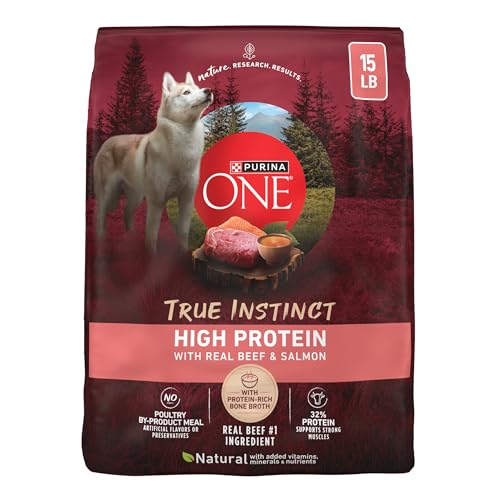
Best High-Quality Dog Food
Expert guide to premium dog food brands. Learn what makes food truly high-quality and find the perfect match for your dog's unique needs.
Choosing the best high-quality dog food is one of the most important decisions you'll make for your pet. The market is flooded with options, each claiming to be the best. But what does "high-quality" actually mean? This guide cuts through the marketing to give you the facts. We'll break down what to look for, the benefits of premium nutrition, and how to choose the right food for your dog's age, breed, and health needs.
Did You Know? Feeding your dog a high-quality diet can lead to a shinier coat, more energy, better digestion, and potentially a longer lifespan. It's an investment in their long-term health.
What Defines High-Quality Dog Food?
High-quality dog food is about more than just a fancy bag. It's about the ingredients, the nutritional profile, and the manufacturing standards. Here are the key factors that distinguish premium food from the rest.
The Ingredient List: A Primer
- Real Protein First: The first ingredient should be a named protein source like "Chicken," "Salmon," or "Beef." Avoid generic terms like "meat meal" or "poultry meal."
- No Artificial Additives: Look for foods free from artificial colors, flavors, and preservatives (like BHA, BHT, and ethoxyquin). Natural preservatives like tocopherols (Vitamin E) are a good sign.
- Whole Food Ingredients: Premium foods often include fruits, vegetables, and whole grains (like brown rice or oats) for essential vitamins, minerals, and fiber.
- Named Fats: Look for specific fat sources like "Chicken Fat" or "Salmon Oil," which are rich in omega fatty acids for skin and coat health.
What to Avoid
- Vague Protein Sources: "Meat and bone meal" or "animal digest" are low-quality by-products.
- Excessive Fillers: Corn, wheat, and soy are often used as cheap fillers and can be difficult for some dogs to digest.
- Unnecessary Sugars: Added sweeteners like corn syrup are used to make low-quality food more palatable.
- Artificial Preservatives: BHA, BHT, and ethoxyquin are synthetic preservatives linked to health concerns.
The Benefits of Feeding High-Quality Food
Upgrading to a premium diet yields tangible benefits you can see and feel. Here's what you can expect when you switch to high-quality dog food.
- Improved Coat and Skin Health: High-quality proteins and essential fatty acids (like Omega-3 and Omega-6) promote a shiny, healthy coat and reduce dry, itchy skin.
- Better Digestion and Smaller Stools: With fewer fillers and more digestible ingredients, your dog's body absorbs more nutrients, producing smaller, firmer stools.
- Higher Energy Levels: Quality protein provides sustained energy. You'll likely notice your dog is more active and playful.
- Stronger Immune System: Nutrient-dense food packed with antioxidants and vitamins supports a robust immune system, helping your dog fight off illness.
- Weight Management: Premium foods are more nutrient-dense, meaning you can feed less while still providing complete nutrition, making weight management easier.
- Dental Health: Some high-quality dry foods have a crunchy texture that can help reduce plaque and tartar buildup.
How to Choose the Right Food for Your Dog
The "best" food depends on your individual dog. Consider these factors when making your selection.
Life Stage & Size
- Puppies: Need food with higher protein, fat, and DHA for growth and brain development. See our puppy food guide.
- Adults: Require a balanced diet to maintain health. Choose a formula for their size (small, medium, large breed).
- Seniors: Often benefit from lower calories, joint supplements (like glucosamine), and extra fiber. Check our senior dog food guide.
Health Conditions
- Allergies & Sensitivities: Look for limited-ingredient diets or grain-free options if your dog has allergies. Explore limited ingredient dog food.
- Sensitive Stomach: Choose easily digestible formulas, often with novel proteins (like salmon or venison) and probiotics. Read our sensitive stomach guide.
- Weight Loss: Select a food designed for weight management with fewer calories and more fiber to help your dog feel full. See best dog food for weight loss.
Transitioning Tip: When switching to a new food, do it gradually over 7–10 days. Mix increasing amounts of the new food with the old to avoid digestive upset. Start with 25% new food and 75% old, then 50/50, then 75/25, and finally 100% new.
Top High-Quality Dog Food Brands
These brands consistently rank at the top for their commitment to quality ingredients, rigorous safety standards, and excellent nutritional profiles. They are an excellent starting point in your search for the perfect food.
| Brand | Key Features | Best For | Price Range |
|---|---|---|---|
| Orijen | Biologically appropriate, high protein (up to 90% animal ingredients), fresh regional ingredients | Active dogs, all life stages | $90+ |
| Acana | Quality protein, whole fruits and vegetables, regionally sourced ingredients | Dogs with sensitivities, balanced nutrition | $70–$90 |
| Hill's Science Diet | Science-backed formulas, clinically proven antioxidants, multiple condition-specific options | Dogs with specific health needs, all life stages | $55–$85 |
| Royal Canin | Breed-specific and size-specific formulas, precise nutrition, highly palatable | Breed-specific needs, picky eaters | $60–$90 |
| Wellness CORE | Grain-free, high protein, protein-rich kibble with probiotics, antioxidants, and omega fatty acids | Active dogs, grain-free diet | $50–$80 |
| Purina Pro Plan | Wide range of formulas, highly researched, includes probiotics for gut health | All life stages, sport and performance dogs | $45–$70 |
Homemade vs. Commercial Dog Food
Some owners consider making their own dog food. While it allows for complete control over ingredients, it's challenging to ensure a nutritionally balanced diet without professional guidance. If you're considering this path, consult a veterinary nutritionist. For most owners, high-quality commercial food is the safest and most convenient option. Explore more about dog food options.
Our Recommendation: For most dogs, a premium commercial dog food that meets AAFCO standards is the best choice. It's convenient, cost-effective, and guarantees complete and balanced nutrition. If you're concerned about a specific health issue, like dog food allergies, there are many excellent commercial options available.
Frequently Asked Questions
Ready to upgrade your dog's diet?
Choosing the right food is a journey. Start by reading labels, understanding your dog's needs, and considering one of the premium brands we've outlined. Your dog's health is worth the investment. For more guidance on specific diets, check our guides on dry dog food for sensitive stomachs, wet food for senior dogs, and raw dog food.