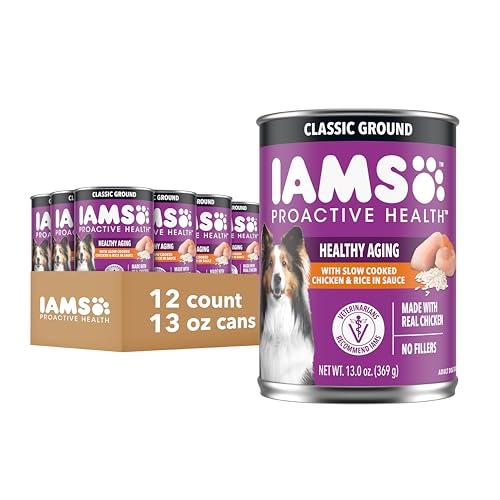
Best Wet Dog Food for Senior Dogs to Gain Weight
Your senior dog deserves to feel strong and nourished. Discover how to choose the right wet food to help your aging companion gain weight safely and comfortably.
As our dogs age, their nutritional needs change dramatically. A senior dog who was once a enthusiastic eater may become picky, lose muscle mass, or struggle to maintain a healthy weight. For many aging dogs, wet dog food becomes not just a preference but a necessity — especially when weight gain is the goal.
Unlike younger dogs who can afford to skip a meal or two, senior dogs need consistent, nutrient-dense nutrition to support their immune system, joint health, and overall vitality. The challenge is finding a wet food that is both appealing enough to entice a finicky appetite and calorie-dense enough to promote healthy weight gain without overwhelming their digestive system.
This guide will walk you through exactly what to look for, what to avoid, and how to help your senior dog return to a healthy weight — safely and sustainably.
Why Senior Dogs Lose Weight
Before you change your dog's diet, it's crucial to understand why they are losing weight in the first place. Weight loss in senior dogs is never "just aging" — it's a symptom that deserves investigation.
- Reduced appetite: Senior dogs often experience a decline in smell and taste, making food less appealing. Dental pain, nausea, or medication side effects can also suppress appetite.
- Dental problems: Broken teeth, gum disease, and oral pain make chewing difficult. A dog who associates eating with pain will eat less — or stop eating altogether.
- Digestive inefficiency: The aging digestive tract absorbs nutrients less effectively. Even if your dog eats well, they may not be extracting full nutritional value from their food.
- Underlying medical conditions: Kidney disease, cancer, diabetes, hyperthyroidism, and inflammatory bowel disease are all common in senior dogs and can cause significant weight loss. A veterinary diagnosis is essential.
- Muscle loss (sarcopenia): Just like humans, dogs lose muscle mass as they age. This natural process accelerates if protein intake is inadequate or if the dog is less active.
- Medication side effects: Many common senior dog medications — including some pain relievers, heart medications, and antibiotics — can cause nausea, diarrhea, or reduced appetite.
Important: Always consult your veterinarian before starting any weight gain program. Sudden or unexplained weight loss in a senior dog requires a thorough medical evaluation to rule out serious conditions. Once medical causes are addressed, a targeted nutrition plan can begin.
Keys to Healthy Weight Gain in Senior Dogs
Weight gain for a senior dog is not about simply feeding more — it's about feeding smarter. The goal is to build lean muscle mass and restore healthy body condition, not just add fat. Here are the core principles:
- Prioritize high-quality protein: Senior dogs need more protein than younger adults to maintain muscle mass — not less, as was once believed. Look for named animal proteins like chicken, turkey, beef, salmon, or lamb as the first ingredient. Protein also supports immune function and tissue repair.
- Choose calorie-dense foods: A dog with a small appetite needs every bite to count. Wet foods with higher fat content (from healthy sources like chicken fat, salmon oil, or sunflower oil) provide concentrated energy without requiring large portions.
- Feed smaller, more frequent meals: Three to four small meals daily are easier on the digestive system than two large ones. This approach also keeps energy levels stable and encourages eating throughout the day.
- Enhance palatability: Warming food slightly (to body temperature, never hot) releases aromas that stimulate appetite. Adding a splash of warm water, low-sodium broth, or a food topper can make meals more enticing.
- Address underlying issues: If dental pain is preventing eating, a veterinary dental cleaning or soft food transition is necessary. If nausea is a factor, anti-nausea medication may be prescribed alongside a gentle diet.
- Monitor progress weekly: Weigh your dog at the same time each week and track body condition score. Gradual gain of 1-2% of body weight per week is a safe target. Rapid weight gain can stress the heart and joints.
What Makes Wet Food Ideal for Senior Weight Gain
Wet dog food offers several distinct advantages over dry kibble for senior dogs who need to gain weight. Understanding these benefits helps you make an informed choice.
Superior Palatability
Wet food's strong aroma and soft texture make it far more appealing to dogs with diminished senses. For a senior dog who has lost interest in food, the smell and taste of wet food can be the difference between eating and refusing.
Easier Chewing and Digestion
Soft, moist food requires minimal chewing, making it ideal for dogs with dental issues, missing teeth, or oral pain. It's also easier on the digestive system, allowing for better nutrient absorption — critical for seniors whose digestion may be less efficient.
Higher Moisture Content
Senior dogs are prone to dehydration, which can worsen kidney function and overall health. Wet food typically contains 70-80% moisture, providing hydration with every meal — a significant benefit for dogs who don't drink enough water.
Concentrated Nutrition
Because wet food is less processed than dry kibble, it often retains more natural nutrients. You can also feed smaller portions that deliver more calories, which is essential for dogs with small appetites.
Features to Look For in Senior Wet Food for Weight Gain
Not all wet dog foods are created equal. When your goal is helping your senior dog gain weight, these features should guide your selection:
- Named animal protein first: "Chicken," "beef," "salmon," or "turkey" should be the first ingredient — not "meat by-products," "poultry," or vague terms. Named proteins indicate higher quality and better digestibility.
- High calorie density: Look for foods with more calories per can or pouch. A calorie-dense food means your dog gets more energy from smaller portions — ideal for picky eaters or those with reduced appetite.
- Added healthy fats: Chicken fat, salmon oil, and sunflower oil are excellent sources of concentrated energy and essential fatty acids. These fats also support skin and coat health, joint function, and brain health in aging dogs.
- Moderate fiber: Some fiber is beneficial for digestive health, but excessive fiber can fill your dog up without providing adequate calories. Choose foods with moderate, not excessive, fiber content.
- AAFCO compliance: Ensure the food meets AAFCO (Association of American Feed Control Officials) standards for your dog's life stage. For seniors, look for foods formulated for "adult maintenance" or specifically labeled for senior dogs.
- Limited fillers: Avoid foods that rely heavily on corn, wheat, soy, or artificial preservatives. These ingredients add bulk without nutritional value and may be harder for senior dogs to digest.
- Added joint support: Many quality senior wet foods include glucosamine, chondroitin, or green-lipped mussel to support aging joints. While not directly related to weight gain, these nutrients support overall mobility and quality of life.
- No artificial colors or flavors: These additives serve no nutritional purpose and may cause sensitivities in some dogs. Natural is always better for senior nutrition.
Pro Tip: Look for wet foods specifically labeled for "weight gain," "high calorie," or "recovery." These formulas are designed with concentrated nutrition and high palatability in mind — exactly what your senior dog needs.
Types of Wet Food Options for Senior Dogs
Wet dog food comes in several forms, each with distinct advantages for senior dogs needing to gain weight. Here's how they compare using universal quality tiers:
| Type | Description | Best For | Quality Tier |
|---|---|---|---|
| Pâté | Smooth, dense, ground texture. Highest calorie density among wet foods. | Dogs with dental issues, picky eaters, maximum calorie intake | Entry-level to luxury (varies by brand) |
| Stew/Chunks in Gravy | Meat pieces in a savory gravy. Highly palatable and aromatic. | Dogs who need encouragement to eat, those who enjoy variety | Entry-level to premium |
| Mousse/Paté with Added Nutrients | Ultra-smooth texture fortified with extra protein, fats, and supplements. | Dogs with severe dental problems or very low appetite | Mid-range to luxury |
| Gourmet/Artisan Formulas | Human-grade ingredients, often grain-free, with exotic proteins. | Dogs with allergies or sensitivities, owners seeking premium nutrition | Premium to luxury |
| Veterinary Recovery Diets | Clinically formulated, high-calorie, highly digestible wet foods. | Dogs recovering from illness, surgery, or severe weight loss | Specialized tier (prescription required) |
Wet Food vs Dry Food for Senior Weight Gain
While both wet and dry food can support weight gain, wet food offers specific advantages for senior dogs. Here's a direct comparison:
| Factor | Wet Food | Dry Food |
|---|---|---|
| Palatability | Excellent — strong aroma, soft texture | Moderate — less aromatic, harder texture |
| Chewing Difficulty | Minimal — ideal for dental issues | Requires healthy teeth and gums |
| Calorie Density | Can be very high in pâté and recovery formulas | Varies; often lower per volume |
| Moisture Content | 70-80% — supports hydration | 10% or less — requires separate water intake |
| Cost Per Calorie | Higher — premium for convenience and palatability | Lower — more economical per calorie |
| Storage | Requires refrigeration after opening | Easy — shelf-stable |
| Best Use | Picky eaters, dental issues, weight gain, hydration | Maintenance, budget-conscious feeding, dental health |
Many owners find that a combination of wet and dry food works best — using wet food as a topper or mixer to boost palatability and calorie intake, while maintaining some dry food for dental benefits and cost savings.
Feeding Strategies for Senior Weight Gain
How you feed is just as important as what you feed. These strategies are specifically designed for senior dogs with reduced appetite or digestive sensitivity:
- Feed small, frequent meals: Offer 3-4 meals daily instead of 1-2 large ones. This reduces the burden on the digestive system and keeps calories coming in steadily throughout the day.
- Warm the food slightly: Gently warming wet food to body temperature (around 100°F / 38°C) enhances aroma and palatability. Never microwave — it creates hot spots that can burn your dog's mouth. Use a warm water bath instead.
- Add palatable toppers: A spoonful of plain cooked chicken, a drizzle of salmon oil, or a sprinkle of grated cheese can make a meal irresistible. Introduce new toppers gradually to avoid digestive upset.
- Hand-feed if necessary: For dogs who are reluctant to eat, hand-feeding can provide comfort and encouragement. It also strengthens your bond and allows you to monitor intake precisely.
- Create a calm feeding environment: Senior dogs may be easily stressed by noise, other pets, or competition for food. Feed in a quiet, private space where they feel safe.
- Monitor body condition, not just weight: Use a body condition score (BCS) system to assess muscle mass and fat cover. You want to see gradual improvement in muscle tone, not just number on the scale.
- Keep a feeding log: Track what you feed, how much, and how much is actually consumed. This data helps you and your vet fine-tune the plan.
When to Seek Veterinary Help: If your senior dog refuses food for more than 24 hours, loses weight despite increased feeding, or shows signs of pain, vomiting, or diarrhea, contact your veterinarian immediately. These may be signs of a serious underlying condition.
Transitioning Your Senior Dog to a New Wet Food
Senior dogs have sensitive digestive systems and established preferences. A sudden food change can cause vomiting, diarrhea, and food aversion — the opposite of what you want when trying to encourage eating.
Follow this gradual transition plan over 7-10 days:
- Days 1-2: 75% old food, 25% new food. Mix thoroughly so your dog can't pick out the new food.
- Days 3-4: 50% old food, 50% new food. Monitor stool quality and appetite closely.
- Days 5-7: 25% old food, 75% new food. Most dogs will have adjusted by this point.
- Days 8-10: 100% new food. By now, the transition should be complete.
If your dog experiences digestive upset at any stage, slow down and stay at the current ratio for a few extra days before progressing. Some senior dogs need a slower transition than others — patience is key.
Transitioning Tip: If your senior dog is extremely picky or stressed by change, consider mixing a small amount of the new food into their old food while warming it slightly. The enhanced aroma often overcomes resistance to new flavors.
Common Mistakes to Avoid When Helping Senior Dogs Gain Weight
Even with the best intentions, well-meaning owners sometimes make mistakes that hinder their dog's progress. Here are the most common pitfalls:
- Free-feeding: Leaving food out all day can lead to overeating in some dogs and under-eating in others. Scheduled meals help you monitor exactly how much your dog is eating and create routine — which seniors appreciate.
- Feeding too much too quickly: Rapid weight gain strains the heart, joints, and organs. Aim for gradual, steady gain — about 1-2% of body weight per week.
- Ignoring underlying medical conditions: If your dog has kidney disease, heart disease, or diabetes, their dietary needs are specific. Feeding a generic weight gain food could worsen their condition. Always work with your vet.
- Using low-quality fillers: Foods heavy in corn, wheat, or soy provide empty calories that fill the stomach without delivering essential nutrients. This is especially harmful for senior dogs with reduced digestive efficiency.
- Skipping dental care: If your senior dog has dental pain, no amount of gourmet food will help them eat. Address dental issues first — your vet can recommend safe cleaning options or appropriate soft foods.
- Not tracking progress: Without regular weighing and body condition assessment, you won't know if your plan is working. What gets measured gets managed.
- Giving up too soon: Senior dogs may take weeks or even months to regain lost weight. Consistency and patience are essential.
Frequently Asked Questions
Final Thoughts
Helping your senior dog gain weight is a journey of patience, observation, and love. The right wet food — rich in high-quality protein, calorie-dense, and highly palatable — can make a world of difference for an aging dog who has lost their appetite and their vigor. Always work closely with your veterinarian to rule out medical causes and create a tailored plan. With the right nutrition and care, your senior companion can regain strength, vitality, and comfort in their golden years. For more specialized guidance, explore our resources on senior dogs with sensitive stomachs and canned food for senior dogs with heart conditions.