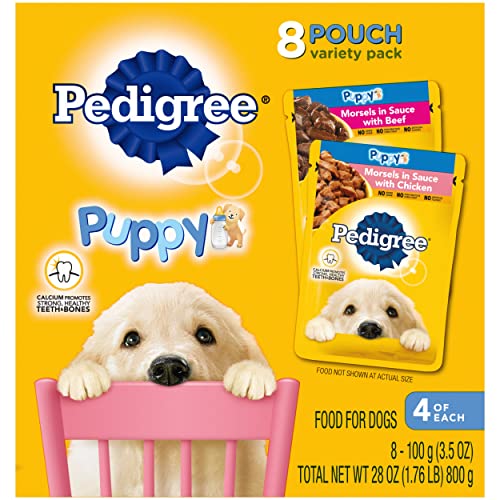
Best Wet Dog Food to Mix with Dry for Puppies
Discover how combining wet food with kibble can boost hydration, palatability, and nutrition for your growing puppy — plus the top mixers that deliver real results.
If your puppy turns their nose up at dry kibble or you want to add moisture and flavor to mealtime, mixing wet dog food with dry is one of the simplest solutions. The best wet dog food to mix with dry for puppies does more than make food taste better — it supports hydration, provides highly digestible protein, and introduces variety that keeps growing pups engaged with their meals.
But not all wet foods are created equal, and mixing incorrectly can lead to digestive upset or unbalanced nutrition. This guide walks you through the science of mixed feeding, how to portion correctly, and which products deliver the most value for puppy growth.
Why Mix Wet and Dry Food for Puppies?
Puppies have unique nutritional needs. They require more calories per pound of body weight than adult dogs, along with precise balances of calcium, phosphorus, and protein to support rapid bone and muscle development [citation:12]. Mixing wet and dry food offers several practical benefits:
- Improved hydration: Wet food contains 60–80% moisture, which helps puppies stay hydrated — especially important if yours doesn't drink enough water on their own [citation:5].
- Higher palatability: The aroma and soft texture of wet food make meals more appealing for picky eaters or puppies transitioning from mother's milk [citation:14].
- Easier chewing: Soft wet food is gentler on tender puppy teeth and small jaws, making mealtime less frustrating for very young dogs [citation:5].
- Textural variety: Offering different textures helps prevent food boredom and encourages consistent eating habits [citation:3].
- Dental benefits from kibble: The crunch of dry food provides some mechanical cleaning action against plaque, while wet food adds moisture — combining both gives you the best of each format [citation:5].
Important: Both wet and dry puppy foods must meet AAFCO Growth standards to be nutritionally complete. Mixing two complete foods is safe as long as you adjust portions to avoid overfeeding.
How to Choose the Right Wet-to-Dry Ratio
There is no single "correct" ratio — the ideal balance depends on your puppy's age, size, and your goals. Here are the most common approaches:
Topper Method (20–30% Wet)
Mix a small amount of wet food into kibble to enhance flavor and aroma. Ideal for picky eaters or puppies who need encouragement to finish their dry food. Keeps costs lower and maintains the dental benefits of kibble.
Budget-Friendly50/50 Split
Half the calories from wet, half from dry. Maximizes hydration and palatability while keeping costs moderate. Works well for puppies who need extra moisture or have difficulty chewing dry food alone.
Balanced ApproachWet-Forward (70–80% Wet)
Best for very young puppies (under 12 weeks) or those recovering from illness. Prioritizes easy chewing and high moisture. Requires careful calorie calculation since wet food is less energy-dense.
Premium CareSeparate Meals
Feed wet food at one meal and dry at another. Simplifies portion control and prevents leftovers from spoiling in the bowl. A practical option for busy households.
ConvenientRegardless of ratio, always calculate your puppy's total daily calorie needs first, then divide between wet and dry sources. Wet food typically contains 300–450 kcal per can, while dry kibble ranges from 350–550 kcal per cup [citation:4]. Overfeeding is the most common mistake when mixing.
Practical Tip: For small breed puppies, an 85g pouch of wet food typically replaces about 25g of dry kibble. For medium to large breeds, a 130g pouch replaces roughly 40g of kibble [citation:7]. Always check the specific product's feeding guide.
Top Wet Food Mixers for Puppies
The best wet food for mixing should be nutritionally complete for growth, highly palatable, and free from unnecessary fillers. Here are the categories to look for:
Complete Wet Puppy Food (Best for 50/50 or Higher Ratios)
These products are formulated to meet AAFCO Growth standards and can serve as a significant portion of your puppy's diet. Look for named meats as the first ingredient (chicken, beef, salmon) and added DHA for brain and vision development. Brands that offer puppy-specific formulas with controlled calcium and phosphorus levels are ideal for large breed puppies [citation:12].
Wet Food Toppers (Best for Picky Eaters)
Toppers are not complete diets — they're designed to enhance dry food. They typically contain shredded meat in broth or gravy with minimal ingredients. Use them when your puppy needs encouragement to eat but you want to keep kibble as the nutritional base. Look for products with no artificial colors, flavors, or preservatives [citation:1].
Grain-Free and Limited Ingredient Options
For puppies with sensitive stomachs or food sensitivities, limited-ingredient wet foods with a single animal protein source can be easier to digest. These are particularly useful during the transition to solid food or when introducing new proteins. Always transition slowly over 7–10 days to avoid digestive upset [citation:2].
What to Avoid: Wet foods with generic "meat by-products" as the first ingredient, artificial colors, or excessive added sugars. These offer less nutritional value and may upset sensitive puppy digestion.
How to Transition Gradually
Puppies have delicate digestive systems. Introducing wet food too quickly can cause diarrhea or vomiting. Follow a gradual transition schedule:
- Days 1–2: Feed 80% kibble with 20% wet food. Mix thoroughly so your puppy gets a taste of both in every bite.
- Days 3–4: Increase to 60% kibble, 40% wet food. Monitor stool consistency and appetite.
- Days 5–6: Move to 40% kibble, 60% wet food. Your puppy should be adjusting to the new texture.
- Days 7–9: Feed 20% kibble, 80% wet food if you're transitioning fully to wet, or stay at your desired ratio if mixing long-term.
- Day 10 onward: Maintain your chosen ratio or complete the transition. Always serve wet food at room temperature for best palatability [citation:2].
If you notice loose stools or refusal to eat, slow down the transition and consult your veterinarian if symptoms persist beyond 24 hours.
Storage and Safety Rules
Wet food spoils much faster than dry kibble. Improper storage is a leading cause of diet-related vomiting and diarrhea in puppies. Follow these guidelines:
- Refrigerate immediately: Once opened, transfer unused wet food to a sealed container and refrigerate. Use within 4–5 days (or up to 7 days in an airtight container) [citation:4].
- Discard after 30 minutes: If your puppy doesn't finish their meal, pick up the bowl after 30 minutes. Leaving wet food out invites bacterial growth.
- Warm before serving: Dogs often reject cold food. Let refrigerated portions sit at room temperature for 15–20 minutes or add a splash of warm water.
- Never leave mixed food out all day: Free-feeding wet food is the fastest way to cause spoiled food and overeating.
Common Mixing Mistakes to Avoid
- Not adjusting kibble portions: When you add wet food, you must reduce dry food to prevent calorie overload. A puppy gaining too much weight too quickly can stress developing joints, especially in large breeds.
- Mixing cold food directly from the fridge: Cold wet food has less aroma and may be refused. Always warm to room temperature.
- Using adult wet food for puppies: Puppies need growth-specific nutrition. Adult formulas may not have the right calcium-to-phosphorus ratio for skeletal development.
- Switching brands abruptly: Even when mixing, introduce new wet food gradually alongside the old one to avoid stomach upset.
- Leaving leftovers in the bowl: Wet food left at room temperature for more than 2 hours should be discarded [citation:4].
Frequently Asked Questions
The Bottom Line
The best wet dog food to mix with dry for puppies is one that is complete and balanced for growth, highly palatable, and free from unnecessary fillers. Whether you choose a 20% topper or a 50/50 split, the goal is to enhance your puppy's meal without overfeeding or causing digestive upset. Start slowly, adjust portions carefully, and watch your puppy thrive. For more feeding guidance, explore our puppy food guide and dog food toppers recommendations.