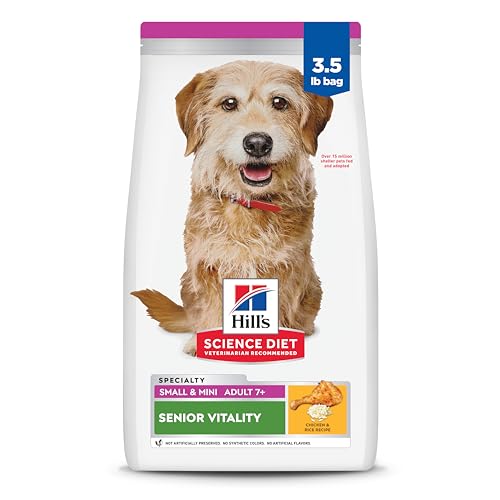
Best Dog Food for Older Small Dogs with Few Teeth
Discover soft, nutrient-rich foods that keep your senior small dog comfortable, healthy, and happy — even with dental challenges.
As small dogs age, their dental health often declines faster than their enthusiasm for life. Missing teeth, worn-down molars, gum disease, and jaw pain can turn mealtime from a joy into a struggle. If your older small dog has few teeth remaining, you have likely noticed them dropping kibble, chewing awkwardly, or avoiding food altogether.
The good news is that modern pet nutrition offers excellent solutions. The best dog food for older small dogs with few teeth is not simply "soft food" — it is a carefully balanced diet that addresses the unique combination of senior nutritional needs and dental limitations. This guide will help you understand exactly what to look for, which food types work best, and how to make mealtime comfortable and enjoyable again.
Dental Challenges in Senior Small Dogs
Small breed dogs are notoriously prone to dental disease. By age three, most small dogs already show signs of periodontal disease, and by their senior years, many have lost multiple teeth. This is partly due to their compact mouths, which cause teeth to be crowded and trap food and bacteria more easily.
When your dog has few teeth, several things happen at mealtime:
- Difficulty grasping and chewing kibble: Without a full set of molars, hard kibble can be painful or impossible to break down.
- Dropping food: Food falls out of the mouth because there are not enough teeth to hold it in place.
- Reduced food intake: Dogs may eat less to avoid pain, leading to weight loss and malnutrition.
- Gum sensitivity: Exposed gums and inflamed tissue make hard textures uncomfortable.
- Digestive issues: Swallowing whole kibble without proper chewing can cause vomiting and poor nutrient absorption.
Important: Dental pain is one of the most common reasons senior dogs stop eating. If your dog has suddenly become picky or is losing weight, a veterinary dental exam should be your first step. Sometimes a simple cleaning or extraction can dramatically improve their quality of life.
Key Nutritional Needs for Senior Small Dogs
Older small dogs with few teeth have a unique set of nutritional requirements. They need fewer calories than they did as adults (because they are typically less active), but they need higher quality protein to maintain muscle mass, plus specific nutrients for joint, brain, and immune health.
Protein for Muscle Maintenance
Senior dogs need high-quality animal protein to prevent muscle wasting (sarcopenia). Look for named meat sources like chicken, turkey, salmon, or beef as the first ingredient. Protein also helps support the immune system and keeps skin and coat healthy. Contrary to old myths, moderate protein is not harmful to healthy senior dog kidneys — in fact, it is essential.
Omega-3 Fatty Acids for Joints and Brain
DHA and EPA from fish oil support joint comfort, reduce inflammation, and may help slow cognitive decline. Senior dogs with arthritis benefit significantly from added omega-3s. Some studies suggest these fatty acids can also improve symptoms of canine cognitive dysfunction.
Glucosamine and Chondroitin for Joint Support
These compounds help maintain cartilage and joint fluid. Small senior dogs are prone to luxating patellas and arthritis, so joint support is critical. Many senior dog foods include these supplements, but you may also need to add them separately for therapeutic doses.
Antioxidants for Immune and Cognitive Health
Vitamins E and C, beta-carotene, and selenium help combat oxidative stress that accelerates aging. Antioxidants support the immune system and may help maintain brain function in older dogs.
Controlled Calories and Fiber
Senior small dogs need fewer calories to maintain a healthy weight, but adequate fiber to support digestion and prevent constipation. Look for moderate fat levels and easily digestible carbohydrates like rice, oats, or sweet potato.
Vet Tip: Ask your veterinarian about your dog's body condition score (BCS) at every visit. Even a few extra ounces on a small dog can significantly impact joint health and lifespan. Your vet can help you calculate the right calorie intake for your dog's specific needs.
Types of Food That Work Best for Few Teeth
Not all soft foods are created equal. Here are the best options for older small dogs who have difficulty chewing:
Wet Canned Food
The gold standard for dogs with few teeth. Canned food is soft, moisture-rich, and requires no chewing. It also provides essential hydration, which is critical for senior dogs who may not drink enough water. Look for pâté or ground textures rather than chunky stews. Choose formulas labeled for senior dogs or all life stages that meet AAFCO standards.
Premium tierRehydrated Dry Kibble
A budget-friendly option that many dogs still enjoy. Mix dry kibble with warm water, low-sodium broth, or wet food topper and let it soak for 10-15 minutes until soft. This is ideal for dogs who still have some chewing ability but need softer textures. Choose small-breed or senior kibble with smaller pieces.
Mid-range tierFresh-Cooked / Refrigerated Food
Human-grade fresh food delivered to your door or prepared at home. These formulas are soft, highly palatable, and often more digestible than processed options. They are excellent for dogs with sensitive stomachs or allergies. Fresh food is typically the most expensive option and requires proper storage.
High-end tierDehydrated or Freeze-Dried Raw
Rehydrate with warm water to create a soft, nutrient-dense meal. These foods retain more nutrients than canned options and are often more palatable. They are lighter to store and have a longer shelf life. Some dogs with sensitive stomachs do very well on raw or gently cooked diets, but consult your vet before switching.
Premium tierSoft Dry Food for Bad Teeth
Some manufacturers make "soft" or "easy-to-chew" dry kibble specifically for senior dogs with dental issues. These are softer than regular kibble but not as moist as canned food. They can be a good transition option for dogs who still want some texture. Our guide on soft dry dog food for dogs with bad teeth covers this category in detail.
Mid-priced tierWet Food Toppers and Mixers
If your dog still eats some dry food, a wet food topper can add moisture, flavor, and nutrition while making the meal easier to chew. Toppers are also an excellent way to entice a picky senior dog to eat. Look for grain-free or limited-ingredient options if your dog has allergies. See our recommendations for dog food toppers.
Entry-level to mid-rangeHomemade Soft Meals
Preparing your dog's food at home gives you complete control over ingredients and texture. You can cook chicken, turkey, or fish with rice, sweet potato, and vegetables, then blend or mash for easy eating. However, homemade diets must be carefully balanced with supplements to avoid nutritional deficiencies. Always work with a veterinary nutritionist. See our homemade dog food recipes for senior dogs.
Mid-range to high-endSenior-Specific Wet Food for Small Breeds
Many brands offer wet food specifically formulated for small senior dogs. These formulas feature small pieces, controlled calories, joint support, and easy-to-digest ingredients. They are convenient and nutritionally complete. Check our guide on best small dog food and wet dog food for senior dogs with sensitive stomachs.
Mid-tier to premiumWet vs Dry vs Fresh: Which Is Best?
The table below compares the main food types across the factors that matter most for older small dogs with few teeth:
| Factor | Wet Canned Food | Rehydrated Kibble | Fresh / Refrigerated |
|---|---|---|---|
| Chewing Difficulty | None — no chewing required | Low — soft after soaking | None to low |
| Hydration | Excellent (70-80% moisture) | Good if soaked thoroughly | Moderate to good |
| Palatability | High — strong aroma | Moderate to high | Very high — fresh smell |
| Nutritional Control | Good — AAFCO complete | Good — AAFCO complete | Variable — must be balanced |
| Convenience | High — easy to serve | Moderate — requires soaking | Low to moderate — storage needed |
| Cost Level | Mid-range to premium | Entry-level to mid-range | High-end to luxury |
| Best For | Dogs with severe dental issues or missing most teeth | Dogs who still have some chewing ability and enjoy texture | Owners who want maximum control and are willing to invest |
Bottom Line: For most older small dogs with few teeth, wet canned food or rehydrated kibble is the most practical and nutritious choice. Fresh food is excellent but requires more commitment and cost. Many owners find the best results by mixing wet food with a small amount of softened kibble to provide variety and texture.
How to Transition Your Dog to Softer Food
Switching foods — especially from dry to wet — should be done gradually to avoid digestive upset. Here is a simple 7-day transition plan:
- Days 1-2: Mix 25% new food with 75% old food. If your dog is currently on dry kibble, start by adding warm water or broth to soften it before mixing in the new wet food.
- Days 3-4: Increase to 50% new food and 50% old food. Watch for signs of digestive upset like loose stool, vomiting, or gas.
- Days 5-6: Move to 75% new food and 25% old food. Your dog should be adjusting well by now.
- Day 7: Transition completely to the new food. If your dog had any digestive issues during the transition, slow down and stay at the previous ratio for another day or two.
Pro Tip: Warm the food slightly (to room temperature or just slightly warm) to enhance aroma and palatability. Never microwave your dog's food — it creates hot spots that can burn their mouth and destroys nutrients. Stir well and test the temperature with your finger before serving.
Practical Feeding Tips for Senior Small Dogs
Beyond choosing the right food, how you feed your dog matters just as much. Here are practical strategies to make mealtime easier:
- Elevate the bowl: Raised bowls can make eating more comfortable for dogs with dental pain or arthritis. Elevated feeders also reduce neck strain and improve posture. See our guide on best elevated dog bowls.
- Use a shallow, wide bowl: Deep bowls can be difficult for dogs with few teeth to navigate. A shallow, wide bowl makes it easier for them to reach the food.
- Serve smaller, more frequent meals: Two to three smaller meals per day are easier on the digestive system and more comfortable for a dog with dental issues.
- Add warm water or broth: Moisture makes any food easier to swallow and increases hydration. Use low-sodium chicken or beef broth without onions or garlic.
- Monitor food intake: Measure how much you feed and how much your dog actually eats. Unexplained weight loss or a sudden drop in appetite warrants a vet visit.
- Keep food fresh: Wet food left out for more than 30 minutes should be discarded. Refrigerate opened cans and use within 2-3 days.
- Consider a slow feeder: If your dog eats too quickly, a slow feeder can prevent vomiting and bloat. But choose one with a soft, shallow design that is easy for a senior dog to use. See our guide on best slow feed dog bowls.
- Warm the food slightly: Warming enhances aroma and makes food more appealing to dogs with reduced sense of smell — a common issue in senior dogs.
- Keep water available at all times: Hydration is critical for senior dogs, especially those eating dry or rehydrated food. Consider a dog water bottle for travel or a dog bowl that is easy to reach.
Common Mistakes to Avoid
Even well-meaning owners make mistakes when feeding a senior dog with dental problems. Avoid these pitfalls:
- Assuming all wet food is complete nutrition. Some wet foods are labeled "for intermittent feeding" or "complementary" — meaning they are not nutritionally complete. Always check for an AAFCO statement on the label.
- Feeding only meat or only rice. A homemade diet of just chicken and rice is not balanced and will lead to nutritional deficiencies over time. If you cook for your dog, work with a veterinary nutritionist.
- Ignoring dental pain. If your dog is reluctant to eat or drops food, they may be in pain. See your vet — dental treatment can dramatically improve their quality of life.
- Overfeeding. Senior dogs need fewer calories. Free-feeding wet food can lead to rapid weight gain. Measure portions carefully.
- Switching foods too quickly. A sudden change causes digestive upset. Always transition over 7-10 days.
- Using human food as a substitute. Table scraps are not a balanced diet and can be dangerous (onions, garlic, chocolate, grapes are toxic). Human food should only be used as a topper or treat.
- Neglecting hydration. Senior dogs are prone to dehydration. Wet food helps, but always provide fresh water and monitor intake.
- Not consulting the vet. Every senior dog has unique needs. Your vet can recommend specific foods, supplements, and feeding schedules based on your dog's health status. Our guide on dog food for small senior dogs with sensitive stomachs may also be helpful.
Frequently Asked Questions
Final Thoughts
Choosing the best food for your older small dog with few teeth is one of the most caring decisions you can make. Focus on soft, moisture-rich textures, high-quality protein, joint support, and complete nutrition. Transition slowly, monitor your dog's weight and comfort, and work closely with your veterinarian. With the right diet, your senior dog can enjoy mealtime again and thrive in their golden years. For more guidance, explore our complete guide to feeding older small dogs with few teeth and our best dog food recommendations.