Best Small Dog Food: Nutrition for Tiny Breeds
Find the perfect food for your small dog. Expert reviews of top dry, wet, and fresh foods designed for tiny tummies, high metabolisms, and picky eaters.
Small dogs have big nutritional needs. Their tiny stomachs require energy-dense food, their fast metabolisms burn calories quickly, and their unique jaw structures need appropriately sized kibble. Choosing the best small dog food isn't just about picking a bag off the shelf—it's about understanding the specific dietary requirements that keep your miniature companion healthy and vibrant.
Whether you have a Chihuahua, Bichon Frise, or a Cavalier King Charles Spaniel, the right nutrition supports everything from dental health to joint longevity. This guide cuts through the marketing hype to provide clear, evidence-based recommendations for the best dog food for small dogs, including top picks for sensitive stomachs, allergies, and senior dogs.
What Makes Small Dog Food Different?
Small breed dogs (typically under 20 pounds) have distinct nutritional needs compared to their larger counterparts. Their small stomachs mean they can't eat large volumes, so they need calorie-dense food. Their teeth are smaller and more prone to dental disease, so kibble size and texture matter. And their rapid metabolism means they burn through energy faster, requiring more frequent feeding or higher-quality ingredients.
Key Nutritional Needs for Small Dogs:
• Higher calorie density per cup (350–450 kcal/cup)
• Smaller kibble size (about ⅓ to ½ inch) for easy chewing
• Balanced omega-3 and omega-6 fatty acids for skin and coat health
• Optimal protein-to-fat ratio (around 28% protein, 17% fat)
• Added antioxidants and prebiotics for immune and digestive support
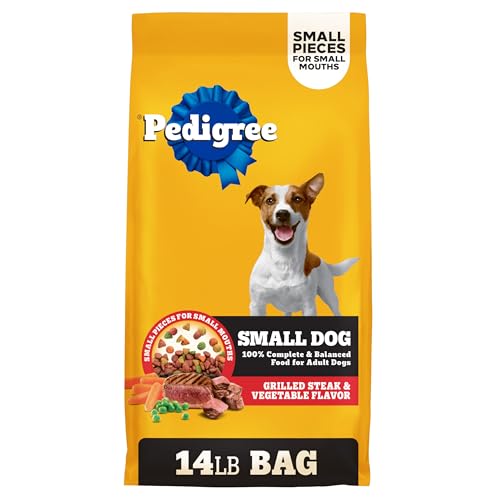
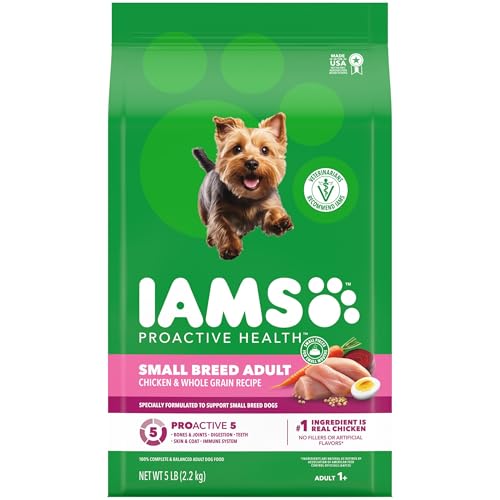
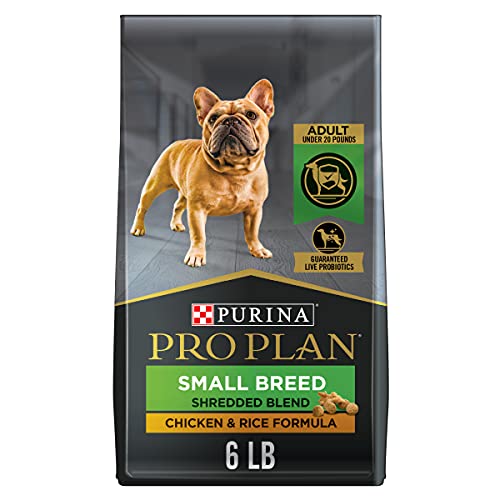
When shopping for the best small dog food, always look for formulas specifically labeled for small or toy breeds. These are designed with the right kibble size, nutrient density, and ingredient profile to meet the unique needs of your petite pup.
Top 5 Best Small Dog Foods (2026)
Based on ingredient quality, nutritional analysis, brand reputation, and real customer reviews, here are our top recommendations for the best dog food for small dogs across different categories.
| Product | Key Features | Price (per lb) | Best For |
|---|---|---|---|
| Hill's Science Diet Small & Toy Breed | Antioxidant blend, small kibble, skin & coat support | $3.20 | Overall Health |
| Royal Canin Small Breed Adult | Highly palatable, dental support, precise nutrition | $3.50 | Picky Eaters |
| Blue Buffalo Life Protection Small Breed | Deboned chicken, whole grains, antioxidant-rich | $2.90 | Natural Ingredients |
| Wellness Complete Health Small Breed | Wholesome grains, probiotics, balanced omega fats | $3.10 | Digestive Health |
| Merrick Lil' Plates Grain-Free Small Breed | High protein, grain-free, real deboned meat | $3.40 | Active Small Dogs |
For those seeking specialized options, the best dog food for small dogs with allergies often includes limited-ingredient diets or novel protein sources like salmon or venison. Always consult your vet before making significant dietary changes, especially if your dog has a known sensitivity.
Dry vs. Wet vs. Fresh: Which is Best?
Each type of dog food has advantages and disadvantages for small breeds. Here's a breakdown to help you choose the best small dog food format for your pet.
Dry Kibble
- Pros: Cost-effective, helps reduce plaque with crunch, convenient to store and portion.
- Cons: Lower moisture content (requires adequate water intake), may contain more carbohydrates.
- Best for: Most small dogs, especially those with healthy teeth and no dental issues.
Wet Food
- Pros: High moisture (helps with hydration), palatable for picky eaters, often lower in carbs.
- Cons: More expensive, shorter shelf life after opening, can contribute to dental plaque.
- Best for: Senior dogs, those with dental problems, or extremely picky eaters.
Fresh/Frozen Food
- Pros: Human-grade ingredients, minimal processing, customizable options.
- Cons: Most expensive, requires refrigeration, shorter shelf life.
- Best for: Dogs with allergies or chronic health conditions; owners who prioritize whole-food nutrition.
Pro Tip: Many small dog owners find a combination approach works best—a base of high-quality dry kibble topped with a spoonful of wet food for enticement. This balances cost, convenience, and palatability. For the best dog food for small dogs with sensitive stomachs, start with a single protein source and gradually introduce new foods over 7–10 days.
Feeding Your Small Dog: A Practical Guide
How much and how often you feed your small dog is just as important as what you feed them. Small breeds have fast metabolisms and can experience hypoglycemia (low blood sugar) if they go too long without food, especially as puppies.
Feeding Frequency by Age
- Puppies (under 6 months): 3–4 small meals daily to maintain stable blood sugar levels and support rapid growth.
- Adults (6 months – 7 years): 2 meals per day (morning and evening). This prevents bloat and provides consistent energy.
- Seniors (7+ years): 2 meals per day, possibly with a slightly reduced portion if activity has decreased. Senior-specific best dog food for senior dogs with sensitive stomachs often includes added joint and cognitive support.
Always check the feeding guide on your chosen food bag as a starting point, but adjust based on your dog's dog diet, body condition, and activity level. A healthy small dog should have a visible waist and you should be able to feel their ribs without pressing hard.
Common Feeding Mistakes with Small Dogs:
• Overfeeding (even a few extra pounds is significant on a small frame)
• Free-feeding (leaving food out all day) — this can lead to obesity and picky eating
• Not measuring portions — use a measuring cup or kitchen scale for accuracy
• Ignoring treats (they count as calories too!)
Best Small Dog Food for Allergies & Sensitivities
Small dogs are particularly prone to food sensitivities and skin allergies. If your dog has itchy skin, chronic ear infections, or digestive upset, they may benefit from a limited-ingredient or hypoallergenic diet.
Some of the best dog food for allergies features a single animal protein source and a limited number of carbohydrate sources. Common novel proteins include salmon, duck, or venison—proteins your dog hasn't been exposed to before.
Look for formulas that are free from common allergens like wheat, corn, soy, and artificial additives. The best dry dog food for dogs with allergies and sensitive stomachs often includes prebiotic fibers and digestive enzymes to support gut health.
If your small dog has persistent issues, consider an dog allergy test to pinpoint the exact triggers. And always transition to a new food slowly—mix 25% new with 75% old for 2-3 days, then 50/50 for another 2-3 days, then 75/25 until fully switched.
Best Small Dog Food for Puppies
Puppies grow rapidly and need specialized nutrition to support their development. The best puppy food for small breeds is formulated with higher protein levels, DHA for brain development, and balanced calcium/phosphorus for healthy bone growth.
Small breed puppies often reach adulthood faster than large breeds, but they still need a puppy formula for the first 10–12 months of life. Transition to an adult formula when your vet confirms they have reached their full height and weight.
Popular choices for small breed puppies include Hill's Science Diet Puppy Small Bites, Royal Canin Small Puppy, and Purina Pro Plan Small Breed Puppy. These kibbles are bite-sized and packed with the nutrients growing small dogs need.
Best Small Dog Food for Seniors
As your small dog enters their golden years (typically 7+ for small breeds), their nutritional needs shift. Senior dogs often need fewer calories but higher-quality protein to maintain muscle mass. They may also benefit from added glucosamine and chondroitin for joint health.
The best dog food for senior dogs with sensitive stomachs is easy to digest, contains natural fiber sources, and may include antioxidants to support cognitive function. Wet food or softened kibble can be helpful for seniors with dental issues.
Always consult your vet about switching to a senior formula, and monitor your dog's weight and energy levels closely. Some seniors do better on a fresh or home-cooked diet, while others thrive on high-quality commercial senior formulas.
Frequently Asked Questions
Ready to Choose the Best Food for Your Small Dog?
Finding the right nutrition for your tiny companion is one of the most impactful things you can do for their long-term health. Whether you opt for a premium dry kibble, a moisture-rich wet food, or a fresh, human-grade option, the key is to prioritize high-quality ingredients, appropriate calorie density, and proper portion control.
Explore the products below to find the best small dog food that fits your dog's unique needs and your budget. Every purchase through our links supports our mission to provide free, reliable pet care information.