Best Dog Food for Small Dogs with Sensitive Stomachs
Gentle nutrition for tiny tummies: expert-approved foods to soothe digestion and support overall health.
Understanding Sensitive Stomachs in Small Breeds
Small dogs have unique nutritional needs. Their fast metabolisms and small stomachs mean they require calorie-dense, easily digestible food. When a small dog has a sensitive stomach, finding the right food becomes even more critical. Common signs of digestive distress include loose stools, vomiting, flatulence, and a dull coat. The best dog food for small dogs often features limited ingredients and gentle proteins.
Unlike larger breeds, small dogs may be more prone to food sensitivities due to their genetic predispositions. Ingredients like corn, wheat, and soy are common culprits. Choosing a diet with high-quality animal protein and digestible carbohydrates can make a world of difference in your dog's comfort and health.
Did You Know? Small breed dogs have a higher surface area to volume ratio, which means they lose heat faster. This can affect their digestion. A diet with easily metabolized ingredients helps maintain body temperature and energy levels.
Key Ingredients to Look For
When shopping for the best dog food for dogs with sensitive stomachs, the ingredient list is your best guide. Here are the components that support digestive health in small breeds:
- Novel Proteins: Ingredients like salmon, lamb, or duck are less likely to trigger allergies compared to common proteins like chicken or beef.
- Easily Digestible Carbohydrates: Whole grains like oatmeal, brown rice, and barley provide fiber without irritating the gut. Avoid corn and wheat.
- Prebiotics & Probiotics: These support a healthy microbiome. Look for ingredients like chicory root (a prebiotic) or added probiotic strains.
- Healthy Fats: Omega-3 and Omega-6 fatty acids from fish oil or flaxseed not only soothe skin but also have anti-inflammatory properties that benefit the digestive tract.
- Limited Ingredients: Fewer ingredients mean fewer chances for your dog to react to something. This is a great option for dogs with multiple sensitivities.
For dogs with severe allergies, a best limited ingredient dog food approach is often recommended. These diets contain a single protein source and a single carbohydrate source to minimize reactions.
Top-Rated Food Brands for Sensitive Stomachs
Based on veterinary recommendations and owner reviews, these brands are consistently top-rated for small dogs with digestive issues. Remember, every dog is different; what works for one may not work for another.
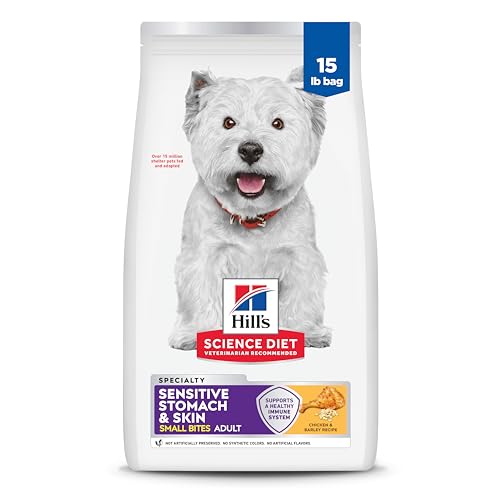
1. Hill's Science Diet Adult Sensitive Stomach & Skin
Formulated with prebiotic fiber and highly digestible ingredients. Includes vitamin E and Omega-6s for skin health. Available in small bites for little mouths.
Price: $45+ for a 15.5 lb bag
2. Royal Canin Small Digestive Care
Specifically designed for small breed dogs with digestive sensitivities. Features highly digestible proteins and a fiber blend to support healthy stool.
Price: $50+ for a 10 lb bag
3. Purina Pro Plan Sensitive Skin & Stomach Salmon & Rice
Salmon is the #1 ingredient. Includes oat meal and rice for easy digestion. Rich in Omega-3s for joint and skin health. A popular choice for picky eaters.
Price: $40+ for a 14 lb bag
4. Blue Buffalo Basics Limited Ingredient Diet
Turkey and potato recipe. Free from chicken, beef, corn, wheat, soy, and artificial flavors. Includes pumpkin and glucosamine.
Price: $55+ for a 12 lb bag
Vet Tip: If your dog is experiencing persistent digestive issues, consult your veterinarian. They may recommend a prescription diet or conduct tests to rule out underlying conditions like canine colitis.
How to Transition Foods Safely
Switching foods abruptly is a leading cause of digestive upset. To ensure a smooth transition, follow this 7-to-10-day schedule. This gradual change allows your dog's gut flora to adjust to the new ingredients.
- Days 1-2: 75% old food / 25% new food
- Days 3-4: 50% old food / 50% new food
- Days 5-6: 25% old food / 75% new food
- Days 7-10: 100% new food
Monitor your dog's stool consistency throughout the process. If diarrhea occurs, slow down the transition and extend the timeline. For breeds like the Bichon Frise or Chihuahua, which can be particularly sensitive, you might even take up to 14 days.
Feeding Tips for Small Dogs with Sensitive Stomachs
Beyond the food itself, how you feed your small dog can impact their digestion. Here are some practical tips to keep their tummy happy:
- Feed Smaller, More Frequent Meals: Small dogs benefit from 3-4 small meals a day instead of one or two large ones. This prevents bile build-up and reduces the risk of vomiting.
- Avoid Table Scraps: Human food is often too rich or contains ingredients that are toxic or hard to digest. Stick to the dog food you've chosen.
- Use a Slow Feeder Bowl: If your dog eats too quickly, they may swallow air, leading to gas and discomfort. A puzzle feeder or slow feeder bowl can help. Consider best slow feed dog bowls for a solution.
- Keep Fresh Water Available: Proper hydration aids digestion. Always have a clean bowl of water accessible.
- Consider Digestive Supplements: Probiotic powders or digestive enzymes can be added to food to further support gut health. Check out best digestive enzymes dogs for recommendations.
For senior small dogs, the approach may be slightly different. They might have additional health issues like dental problems. If your dog has trouble chewing, you might explore soft dry dog food for small dogs with bad teeth as an alternative.
Frequently Asked Questions
Final Thoughts: Finding the best food for your small dog with a sensitive stomach requires patience. What works for one may not work for another. By understanding ingredients, transitioning slowly, and monitoring your dog's response, you can make an informed choice. The products featured below are some of the best on the market to get you started.