Best Dry Dog Food for Small Dogs with Sensitive Stomachs
Find the perfect kibble to soothe your small dog's digestive issues. Expert picks, feeding tips, and a complete guide to happy tummies.
If your small dog frequently experiences loose stools, gas, vomiting, or other digestive discomforts, you know how distressing it can be — for both of you. Small breed dogs have unique nutritional needs, and when you add a sensitive stomach into the mix, finding the right food becomes a critical mission.
This guide is your complete resource for selecting the best dry dog food for small dogs with sensitive stomachs. We'll cover what to look for, what to avoid, and offer our top product recommendations to help your furry friend thrive.
Signs Your Small Dog Has a Sensitive Stomach
Recognizing the symptoms is the first step to finding the right diet. Sensitive stomachs in small dogs can manifest in several ways:
- Chronic loose stools or diarrhea: Frequent episodes that aren't related to a sudden dietary change can indicate an intolerance.
- Excessive gas or bloating: While some gas is normal, persistent and uncomfortable amounts are a red flag.
- Vomiting or regurgitation: Especially if it occurs shortly after eating.
- Itchy skin or ear infections: Food allergies often present as skin problems, which are common in dogs with sensitive systems.
- Lethargy or poor appetite: Ongoing digestive upset can make your dog feel unwell and less interested in food.
If you notice any of these signs, consult with your veterinarian to rule out underlying health conditions. Often, a change to a high-quality, easily digestible diet is the most effective solution.
Key Ingredients to Look For
When you're scanning the ingredient list, you want to see a limited number of high-quality, digestible components. Here's what to prioritize:
- Single, Novel Protein Source: Proteins like salmon, duck, or venison are less likely to trigger allergies than common sources like chicken or beef. A single protein source makes it easier to isolate any potential issues.
- Easily Digestible Carbohydrates: Sweet potatoes, pumpkin, and brown rice are gentle on the stomach and provide a good source of energy and fiber.
- Prebiotics and Probiotics: Ingredients like chicory root (a prebiotic) and added probiotic strains help balance gut flora and support healthy digestion.
- Omega-3 and Omega-6 Fatty Acids: These help reduce inflammation, which can soothe the digestive tract and improve skin health.
- Limited Ingredient List: A shorter list of recognizable ingredients is easier for your dog to digest and reduces the chance of a reaction.
Many of the best options are formulated specifically for small breeds, with smaller kibble sizes that are easier for little mouths to chew and digest.
Ingredients to Avoid
Just as important as what to look for is what to stay away from. These common culprits can wreak havoc on a small dog's sensitive stomach:
- Artificial Colors, Flavors, and Preservatives: These provide no nutritional value and are common irritants.
- Common Allergens: Corn, wheat, and soy are frequent triggers for food sensitivities and offer low nutritional quality.
- Vague Meat Sources: "Meat meal" or "poultry by-product meal" are generic terms that can contain a mixture of ingredients, making it hard to identify the source.
- Excessive Fats: While some fat is needed, too much can lead to digestive upset, especially in dogs prone to pancreatitis.
- High-Legume Content: Some grain-free diets rely heavily on peas, lentils, and potatoes, which can be difficult for some dogs to digest and have been linked to other health concerns.
Pro Tip: To pinpoint your dog's specific triggers, try an elimination diet using a limited ingredient dog food with a single protein and carbohydrate source. This is the gold standard for diagnosing food sensitivities.
Top 5 Best Dry Dog Foods for Small Dogs with Sensitive Stomachs
Based on ingredient quality, nutritional value, and customer feedback, here are our top recommendations for small breed dogs with sensitive stomachs.
| Product | Key Protein | Key Carbs | Kibble Size | Approx. Price |
|---|---|---|---|---|
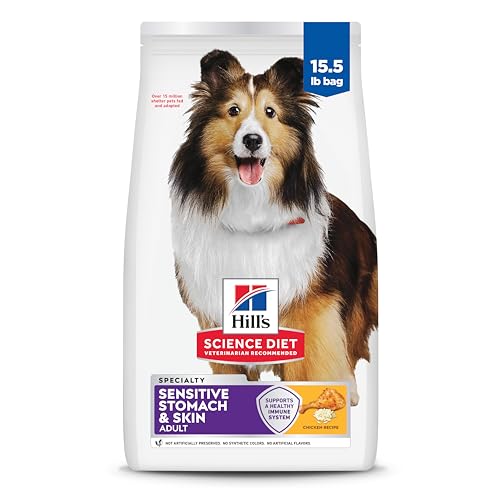
| Hill's Science Diet Adult Sensitive Stomach & Skin | Chicken | Brown Rice, Barley | Small | $35 |
| Purina Pro Plan Sensitive Skin & Stomach Lamb & Oat Meal | Lamb | Oat Meal | Small | $40 |
| Royal Canin Small Breed Digestive Care | Chicken | Rice, Corn | Very Small | $45 |
| Blue Buffalo Basics Limited Ingredient Diet Salmon & Potato | Salmon | Potato | Small | $38 |
| Wellness Simple Limited Ingredient Diet Turkey & Potato | Turkey | Potato | Small | $42 |
Note: Prices are approximate and may vary. Always check the product label for the most current ingredient information and consult your vet before making a significant dietary change.
Feeding Tips for Small Dogs with Sensitive Stomachs
Choosing the right food is half the battle. How you feed your dog is equally important. Here are some tips to help them digest their food better:
- Transition Slowly: When introducing a new food, do it gradually over 7-10 days. Start by mixing a small amount of the new food with the old, gradually increasing the ratio. This allows your dog's gut to adapt.
- Maintain a Consistent Schedule: Feed your small dog at the same times each day. This helps regulate their digestive system and makes it easier to predict when they need to go out.
- Portion Control: Small dogs are prone to obesity. Use a measuring cup to ensure you're feeding the correct amount based on the food's guidelines and your dog's weight and activity level.
- Consider a Slow Feeder Bowl: If your dog eats too quickly, they may swallow air, which can lead to gas and bloating. A slow-feeder bowl can help them eat at a more measured pace.
- Limit Treats: Treats can easily upset a sensitive stomach. Use a small portion of their daily kibble as a treat, or opt for single-ingredient treats like freeze-dried meat.
Important: Always provide plenty of fresh, clean water. Hydration is crucial for digestion, especially with dry kibble. Dehydration can exacerbate digestive issues.
Frequently Asked Questions
Finding the Right Food is a Journey
Every dog is unique, so what works for one small dog may not work for another. Pay close attention to your dog's reaction to a new diet. With the right food and feeding routine, you can help your furry friend live a more comfortable, happy, and healthy life. If you're still unsure, read more about dog foods for allergies and sensitive stomachs or consult with your vet for personalized advice.