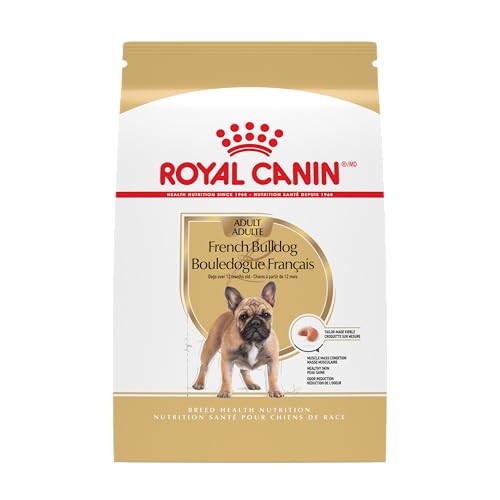
Best Dog Food for French Bulldog Puppy with Sensitive Stomach
Finding the right food for a French Bulldog puppy with a sensitive stomach can feel overwhelming. This guide breaks down exactly what to look for, what to avoid, and how to support your puppy's digestion from day one.
French Bulldog puppies are notorious for digestive issues. Their compact bodies, flat faces, and genetic predisposition to food sensitivities mean that what works for a Labrador puppy may cause gas, diarrhea, and discomfort in a Frenchie. If you have noticed your French Bulldog puppy struggling with loose stools, excessive gas, vomiting, or itchy skin after meals, the food you are feeding is likely the culprit.
This guide is designed for owners who already know they need to change their puppy's food but are unsure which direction to go. You will learn how to read labels, identify gentle formulas, and understand the specific nutritional needs of a growing French Bulldog with a sensitive digestive system. For a broader overview of gentle formulas across all breeds, see our guide to the best dog food for dogs with sensitive stomachs.
Why French Bulldog Puppies Have Sensitive Stomachs
Understanding the root causes of your puppy's digestive sensitivity helps you make better food choices. French Bulldogs are not just small dogs — they have unique anatomical and genetic characteristics that directly affect how they process food.
- Brachycephalic anatomy: Flat-faced breeds have shortened nasal passages and a compressed upper airway. This causes them to swallow more air while eating, leading to gas, bloating, and discomfort. A slow feeder bowl can help reduce air intake significantly.
- Shorter digestive tract: French Bulldogs have a relatively short digestive system compared to other breeds. Food moves through quickly, which means nutrients have less time to be absorbed and irritants have less time to be neutralized.
- Genetic food sensitivities: French Bulldogs are genetically prone to allergies and food intolerances. Common triggers include chicken, beef, wheat, corn, soy, and dairy. Many Frenchies do best on limited-ingredient or novel-protein diets.
- Prone to flatulence: Excessive gas is one of the most common complaints among French Bulldog owners. While some gas is normal, chronic foul-smelling gas usually indicates the food is not being digested properly.
- Risk of bloat: Like many deep-chested breeds, French Bulldogs are at risk for bloat (gastric dilation-volvulus). Eating too quickly, large meals, and vigorous exercise around mealtime increase this risk. Small, frequent meals and slow feeders are essential.
Important: If your French Bulldog puppy has persistent diarrhea, vomiting, or blood in the stool, consult your veterinarian immediately. These can be signs of serious conditions like parvovirus, intestinal parasites, or a gastrointestinal obstruction — not just a food sensitivity.
What to Look For in Puppy Food for a Sensitive Stomach
Not all "sensitive stomach" foods are created equal. Many brands use that label as a marketing tactic without addressing the actual nutritional needs of a puppy with digestive issues. Here is what genuinely matters.
Key Nutritional Criteria
- AAFCO complete and balanced for growth: Your French Bulldog puppy is still growing. The food must meet AAFCO nutrient profiles for growth or all life stages. Adult maintenance food will not provide the calcium, phosphorus, and protein ratios a growing Frenchie needs.
- Highly digestible protein: Look for named protein sources that are easy to digest — chicken meal, turkey, salmon, lamb, or novel proteins like venison or duck. Digestibility above 80% is ideal. Hydrolyzed protein formulas break proteins into tiny pieces that are less likely to trigger an immune response.
- Limited ingredients: Fewer ingredients means fewer potential triggers. A limited-ingredient diet typically contains one protein source, one carbohydrate source, and a short list of supplements.
- Prebiotics and probiotics: These support a healthy gut microbiome. Look for ingredients like chicory root (prebiotic), Lactobacillus (probiotic), or yeast cultures. A healthy gut is more resistant to inflammation and infection.
- Omega-3 fatty acids: Fish oil, salmon oil, or flaxseed provide anti-inflammatory benefits that support digestive health and skin condition. French Bulldogs are prone to skin allergies, so omega-3s serve double duty.
- Moderate fat content: Puppies need fat for energy and brain development, but too much fat can cause pancreatitis, especially in sensitive breeds. Look for fat content in the moderate range, not extremely high.
- Grain-inclusive or grain-free with caution: Some Frenchies do fine with grains like rice or oatmeal, which are gentle on the stomach. Others do better grain-free. Note that grain-free diets have been linked to heart issues in some dogs — discuss with your vet before choosing grain-free.
Texture and Kibble Size
French Bulldog puppies have small mouths and flat faces. Kibble that is too large is difficult for them to chew, which leads to gulping and air swallowing. Look for small-breed or toy-breed kibble size, or consider mixing dry food with a small amount of warm water or wet food to soften it. A slow feeder bowl is also highly recommended to prevent gulping.
Ingredients to Avoid
These ingredients are common triggers for digestive upset and allergic reactions in French Bulldogs. Check your current food's label — if any of these are in the first five ingredients, it may be the source of your puppy's problems.
| Ingredient | Why It Causes Problems | Common In |
|---|---|---|
| Chicken | Most common food allergen in dogs; causes itching, ear infections, and digestive upset | Most standard puppy foods |
| Beef | Second most common allergen; difficult for sensitive stomachs to digest | Many budget and mid-range foods |
| Wheat | Gluten can trigger inflammation; often contaminated with pesticides | Economy kibble, treats, biscuits |
| Corn | Difficult to digest; common filler with little nutritional value; mold risk | Budget foods, some mid-range |
| Soy | Highly allergenic; disrupts hormone balance; difficult to digest | Many commercial kibbles |
| Dairy | Lactose intolerance is common in dogs; causes diarrhea and gas | Some treats, toppers, cheese-flavored products |
| Artificial preservatives (BHA, BHT, ethoxyquin) | Linked to cancer and organ damage; unnecessary in modern pet food | Older or budget formulas |
| Artificial colors and flavors | No nutritional value; potential allergens and toxins | Some commercial kibbles and treats |
| By-products | Low-quality, inconsistent ingredients; may include diseased tissue | Budget and some mid-range foods |
For a deeper dive into identifying trigger ingredients, see our article on best dog food for allergies and sensitive stomach. If your French Bulldog puppy also has skin issues alongside digestive problems, the two are often connected — our guide to best dog food for French Bulldog with skin allergies covers the overlap.
Types of Food: Dry, Wet, Fresh & Raw
Each type of food has advantages and disadvantages for a French Bulldog puppy with a sensitive stomach. The best choice depends on your puppy's specific triggers, your budget, and your willingness to prepare or purchase different formats.
Dry Kibble
Dry food is the most convenient and cost-effective option. For sensitive stomachs, look for limited-ingredient dry formulas with hydrolyzed or novel proteins. Kibble can be softened with warm water for puppies who have trouble chewing or who gulp their food. Always choose a small kibble size for French Bulldog puppies. Our guide to the best dry dog food for dogs with sensitive stomachs covers specific formulas that work well for Frenchies.
Wet Food
Wet food is highly palatable and provides extra hydration, which is beneficial for puppies who do not drink enough water. It is easier to digest than dry food for some dogs. However, wet food is more expensive per calorie and requires refrigeration after opening. It can also cause softer stools if fed exclusively. Many owners mix a small amount of wet food with dry kibble to improve palatability and soften the texture. See our recommendations for best wet dog food to mix with dry for puppies.
Fresh and Home-Cooked
Fresh food offers human-grade ingredients with no preservatives, making it an excellent choice for puppies with severe sensitivities. However, it is the most expensive option and requires careful formulation to ensure complete nutrition for a growing puppy. Never attempt a homemade diet without guidance from a veterinary nutritionist — nutritional deficiencies in growing dogs can cause permanent damage.
Raw Diet
A raw diet mimics ancestral eating patterns and some owners report dramatic improvements in digestion and coat condition. However, raw diets carry a higher risk of bacterial contamination (Salmonella, E. coli) and require meticulous planning to be nutritionally complete for a puppy. Puppies have different nutritional needs than adult dogs, and raw feeding during growth is controversial. Consult your veterinarian before starting a raw diet with a French Bulldog puppy.
Top Food Categories for French Bulldog Puppies with Sensitive Stomachs
Rather than recommending specific brands, here is a breakdown of the categories of food that tend to work best for French Bulldog puppies with sensitive stomachs. Each category is classified by quality tier so you can match your budget to your puppy's needs.
Limited-Ingredient Puppy Formulas
These formulas contain a single protein source, a single carbohydrate source, and minimal additives. They are ideal for identifying and eliminating trigger ingredients. Look for novel proteins like salmon, lamb, venison, or duck.
Mid-range to premiumHydrolyzed Protein Formulas
Proteins are broken down into tiny fragments too small to trigger an immune response. These are prescription diets typically recommended by veterinarians for severe allergies or inflammatory bowel disease. Extremely effective but typically the most expensive category.
Premium to luxuryGentle Grain-Inclusive Formulas
Contain easily digestible grains like rice, oatmeal, or barley along with a novel protein. These work well for Frenchies who do not have grain allergies but need gentler digestion. Often more affordable than grain-free options.
Entry-level to mid-rangeGrain-Free Limited-Ingredient Formulas
Eliminate grains entirely and use alternative carbohydrates like sweet potato, peas, or lentils. Suitable for Frenchies with confirmed grain allergies. Discuss with your vet due to the potential link between grain-free diets and heart issues.
Mid-range to premiumPuppy-Specific Sensitive Stomach Formulas
Formulated specifically for growing puppies with digestive sensitivity. Contain DHA for brain development, controlled calcium-phosphorus ratios for bone growth, and gentle ingredients. These are the safest choice for puppies under 12 months.
Mid-range to premiumFresh/Frozen Puppy Formulas
Human-grade, gently cooked ingredients with no preservatives. Excellent for puppies with multiple sensitivities. Often subscription-based. Requires freezer space and careful thawing. The most expensive category but often the most effective for severe cases.
LuxuryPro Tip: If your French Bulldog puppy has been diagnosed with a specific allergy (chicken, beef, wheat, etc.), choose a formula that does not contain that ingredient at all — not just a "sensitive stomach" formula that may still contain traces. Cross-contamination in manufacturing facilities is a real risk for severely allergic dogs.
How to Transition to a New Food
A sudden change in diet is one of the most common causes of digestive upset in puppies. Even if the new food is better quality, switching abruptly can cause diarrhea and vomiting. A slow transition gives your puppy's gut bacteria time to adjust.
- Days 1-3: Mix 25% new food with 75% old food. If your puppy shows any digestive upset (loose stool, gas, vomiting), stay at this ratio for 2-3 more days before increasing.
- Days 4-6: Mix 50% new food with 50% old food. Monitor stool quality closely. Healthy stool should be firm and well-formed.
- Days 7-9: Mix 75% new food with 25% old food. Your puppy should be adjusting well by this point.
- Day 10: Transition to 100% new food. If any digestive upset occurs, slow down and go back to the previous ratio for a few days.
During the transition, avoid introducing any other new foods, treats, or supplements. You want to isolate the variable so you can accurately assess whether the new food is working. If your puppy has a severe reaction at any point — vomiting, bloody diarrhea, lethargy — stop the transition and contact your veterinarian.
Feeding Tips for French Bulldog Puppies with Sensitive Stomachs
How you feed is almost as important as what you feed. These practical tips will help minimize digestive issues and make mealtime safer for your flat-faced puppy.
- Feed small, frequent meals: French Bulldog puppies should eat 3-4 small meals per day until 6 months of age, then 2-3 meals daily. Large meals increase the risk of bloat and are harder to digest.
- Use a slow feeder bowl: These bowls have obstacles that force your puppy to eat around them, slowing down eating and reducing air intake. This is one of the most effective tools for reducing gas in French Bulldogs. See our recommendations for best slow feed dog bowls.
- Consider an elevated bowl: Elevated bowls can reduce neck strain and improve posture while eating, which may help with swallowing and digestion. However, some studies suggest elevated bowls may increase bloat risk in large breeds — consult your vet. For French Bulldogs specifically, many owners find elevated bowls helpful. See our guide to best elevated dog bowls.
- Keep mealtime calm: Avoid vigorous play, excitement, or stress immediately before and after meals. Wait at least 30 minutes after eating before allowing strenuous activity.
- Add warm water to kibble: Moistening dry food with warm (not hot) water softens the kibble, making it easier to chew and digest. It also increases hydration, which supports healthy digestion.
- Keep treats gentle: Many commercial treats contain the same allergens as problematic foods. Choose single-ingredient treats like freeze-dried salmon, sweet potato chews, or limited-ingredient biscuits. Our guide to the best dog treats covers gentle options.
- Maintain a consistent schedule: Feed at the same times every day. Dogs thrive on routine, and consistent meal times help regulate digestion and elimination.
- Store food properly: Keep kibble in an airtight container in a cool, dry place. Fats in kibble can go rancid over time, causing digestive upset. Do not buy more food than your puppy can eat within 4-6 weeks.
Signs Your Puppy's Food Isn't Working
How do you know if the food you chose is actually helping? Look for these positive signs of improvement, and watch for red flags that indicate the food is not a good fit.
Signs of Improvement
- Firm, well-formed stools that are easy to pick up
- Reduced gas and bloating
- Normal appetite and enthusiasm for meals
- Healthy coat and skin — no flaking, redness, or excessive shedding
- Steady weight gain appropriate for age and breed
- Good energy levels and playful behavior
Red Flags That the Food Isn't Working
- Persistent diarrhea or loose stools lasting more than 3 days
- Vomiting after meals
- Excessive foul-smelling gas
- Itching, paw licking, or ear infections
- Dull coat, flaky skin, or excessive shedding
- Loss of appetite or refusal to eat
- Lethargy or weakness
- Blood in stool or black, tarry stool
When to Call Your Vet: If your French Bulldog puppy experiences any of the red flags above for more than 48 hours, or if symptoms are severe (bloody diarrhea, repeated vomiting, lethargy, refusal to eat), contact your veterinarian immediately. Young puppies can dehydrate quickly, and what seems like a minor digestive issue can escalate rapidly.
Frequently Asked Questions
The Bottom Line
Finding the right food for a French Bulldog puppy with a sensitive stomach requires patience and careful observation. Start with a limited-ingredient puppy formula from a reputable brand, transition slowly, and keep a detailed log of your puppy's symptoms and stool quality. Work closely with your veterinarian, especially if symptoms persist. With the right nutrition, your French Bulldog puppy can grow into a healthy, comfortable adult — and you can finally say goodbye to excessive gas and digestive drama. For more breed-specific guidance, see our guide to the best dog food for French Bulldogs.