Best Dry Dog Food for Sensitive Stomachs
Vet-recommended, gentle-on-tummy kibble. Stop diarrhea, gas, and digestive upset with our expert guide to the top dry foods for dogs with sensitive stomachs.
If your dog frequently has loose stools, excessive gas, or vomits after meals, they may have a sensitive stomach. Finding the best dry dog food for dogs with sensitive stomachs can be life-changing – for both of you. The right food supports healthy digestion, reduces inflammation, and provides balanced nutrition without triggering unpleasant symptoms.
This guide covers everything you need to know: what causes digestive sensitivity, which ingredients to look for (and avoid), and our top picks for dry kibble that actually works. By the end, you'll know exactly which food to choose and where to buy it.
What Causes Sensitive Stomachs in Dogs?
Understanding the root cause helps you select the right food. Common triggers include:
- Food allergies or intolerances – proteins like chicken, beef, or grains (wheat, corn, soy).
- Low-quality ingredients – artificial preservatives, fillers, and by-products.
- Sudden diet changes – switching food without a gradual transition.
- Underlying health issues – such as canine colitis, bloat, or chronic diarrhea.
- Stress or anxiety – can directly affect gut health.
Did you know? Over 60% of dogs with digestive issues improve significantly when switched to a limited-ingredient or hydrolyzed protein diet. Always consult your vet before making major dietary changes.
What to Look For in a Sensitive-Stomach Kibble
When shopping for dry food, prioritize these features:
- Single source of animal protein – e.g., salmon, lamb, or duck, which are less allergenic than chicken or beef.
- Limited ingredients – fewer ingredients mean fewer potential triggers.
- Prebiotics and probiotics – support a healthy gut microbiome.
- Wholesome grains or grain-free – oats, brown rice, or barley are gentle; avoid wheat, corn, and soy.
- No artificial colors, flavors, or preservatives – BHA, BHT, and ethoxyquin are common irritants.
- Omega-3 fatty acids – reduce inflammation and support skin/coat health.
Pro tip: Look for the AAFCO statement "formulated to meet the nutritional levels established by the AAFCO Dog Food Nutrient Profiles" for a complete and balanced diet.
Top 6 Best Dry Dog Foods for Sensitive Stomachs
After analyzing ingredients, vet recommendations, and real-user reviews, these are the standout dry foods that consistently deliver results.
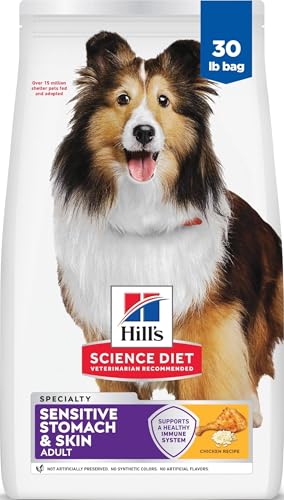
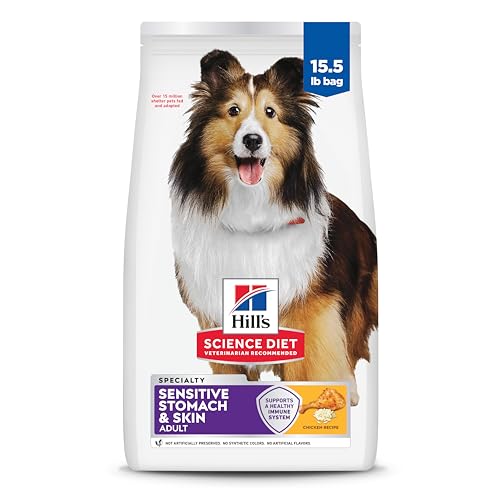
1. Hill's Science Diet Adult Sensitive Stomach & Skin
Prebiotic fiber for gut health, vitamin E & omega-6 for skin. Chicken & barley recipe. Vet-recommended #1.
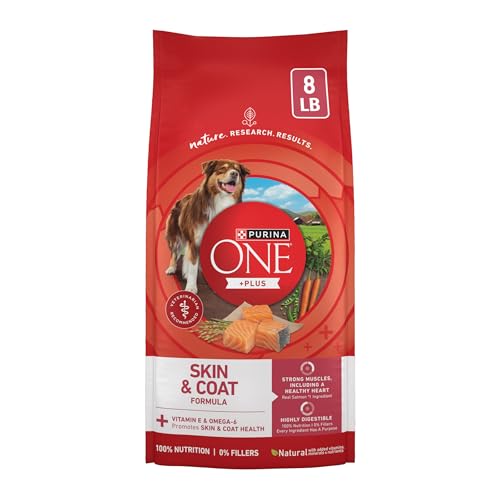
2. Purina Pro Plan Sensitive Skin & Stomach
Salmon & rice formula. Rich in omega-3, highly digestible. Excellent for dogs with allergies.
3. Royal Canin Digestive Care
Highly digestible proteins, prebiotics, and fiber blend. Specifically designed for gastrointestinal sensitivity.
4. Blue Buffalo Basics Limited Ingredient
Single-protein (turkey or salmon) and grain-free. Great for dogs with multiple food sensitivities.
5. Wellness Simple Limited Ingredient
Duck & oatmeal or salmon & potato. Simple, clean ingredients with probiotics for digestive balance.
6. Natural Balance L.I.D. Limited Ingredient Diets
Dedicated to limited ingredients. Choose from sweet potato & fish or bison & potato. Trusted for allergy relief.
All of these options are available on Amazon, often with subscription discounts. Click any "Check Price" button to compare today's deals.
How to Transition Your Dog to New Food
A sudden diet change can worsen stomach issues. Follow this 7-day transition plan:
- Days 1-2: 25% new food + 75% old food
- Days 3-4: 50% new food + 50% old food
- Days 5-6: 75% new food + 25% old food
- Day 7: 100% new food
Monitor your dog's stool and behavior during the transition. If diarrhea persists beyond 3 days, consult your vet. For more guidance, read our dog feeding schedule guide.
Ingredients to Avoid for Sensitive Stomachs
Steer clear of these common triggers:
- Artificial preservatives – BHA, BHT, ethoxyquin.
- Unspecified meat meals – "meat meal" or "poultry by-product meal" can contain multiple protein sources.
- Common allergens – wheat, corn, soy, dairy, and eggs (unless your dog tolerates them).
- High-fat ingredients – excess fat can cause pancreatitis and digestive upset.
- Excessive fiber – too much insoluble fiber (e.g., beet pulp) can cause gas and bloating.
Boost Digestion with Toppers & Probiotics
Enhance your dog's kibble with gentle, digestive-supporting additions:
- Pumpkin puree – natural source of soluble fiber, helps firm stools.
- Plain yogurt or kefir – probiotics for gut flora balance (if lactose-tolerant).
- Bone broth – hydrating and soothing for the digestive tract.
- Digestive enzymes – help break down food more efficiently. Check our best digestive enzymes guide.
Always introduce new toppers one at a time to see how your dog reacts. Learn more about food allergies and sensitive stomachs.
When to See the Vet
If your dog shows any of these signs, schedule a vet visit promptly:
- Chronic diarrhea or vomiting (more than 48 hours)
- Blood in stool or vomit
- Lethargy, weakness, or pale gums
- Weight loss despite normal eating
- Abdominal pain or bloating (possible bloat emergency)
Your vet may recommend prescription diets or diagnostic tests to identify underlying conditions like colitis or food allergies.
Frequently Asked Questions
For more answers, visit our dog food sensitive stomach guide.
Ready to help your dog feel better? Choose one of our top 6 recommended dry foods above and start the transition. Click the product links to check current prices and read more reviews. Your dog's healthy digestion is just a few meals away.