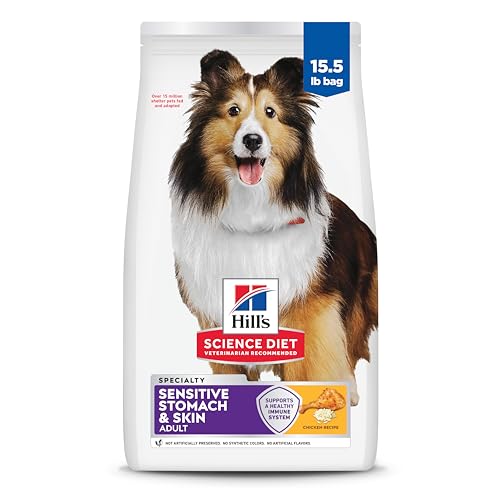
Best Dog Food for Dogs with Sensitive Stomachs
If your dog suffers from frequent vomiting, diarrhea, gas, or loose stools, the right diet can make all the difference. This guide will help you understand the causes of canine digestive issues and choose the best dog food for sensitive stomachs.
Dogs with sensitive stomachs present a unique challenge for even the most dedicated owners. You want to provide complete nutrition, but every time you try a new food, your dog ends up with diarrhea, vomiting, or excessive gas. It's frustrating for you and uncomfortable for your dog.
The good news is that with the right approach, most dogs with sensitive stomachs can thrive on a diet that supports their digestive health. This guide will walk you through everything you need to know — from identifying the signs of a sensitive stomach to selecting the best dog food that won't upset their system.
Understanding Sensitive Stomachs in Dogs
A "sensitive stomach" is not a specific medical diagnosis — it's a general term used to describe dogs who experience digestive upset more easily than others. The underlying causes can vary widely, from food intolerances and allergies to stress, underlying medical conditions, or simply a highly responsive digestive system.
What works for one sensitive dog may not work for another. This is why a process of elimination and careful observation is essential. The goal is to identify your dog's specific triggers — whether they are certain proteins, grains, additives, or even the fat content of the food — and choose a formula that avoids those triggers while still providing balanced nutrition.
It's also important to distinguish between a sensitive stomach and a more serious medical condition. Chronic digestive issues can be a sign of inflammatory bowel disease (IBD), pancreatitis, intestinal parasites, or other conditions that require veterinary treatment. Always consult your veterinarian before making major dietary changes, especially if your dog is experiencing persistent symptoms. You may also find our guide on dog food for allergies and sensitive stomachs helpful if you suspect your dog has both issues.
Common Symptoms & Causes
Recognizing the signs of a sensitive stomach is the first step toward finding a solution. While occasional digestive upset is normal, recurring symptoms indicate that something in your dog's diet or environment needs to change.
Symptoms to Watch For
- Frequent vomiting: Especially shortly after eating or on an empty stomach.
- Diarrhea or loose stools: Persistent soft stool that is difficult to pick up.
- Excessive gas: More frequent or more foul-smelling than usual.
- Loud stomach gurgling: Audible digestion sounds that seem uncomfortable.
- Loss of appetite: Refusing food or eating reluctantly.
- Weight loss: Despite eating normal amounts.
- Lethargy: Low energy, especially after meals.
Common Causes of Digestive Upset
- Food intolerance: A reaction to a specific ingredient that doesn't involve the immune system. Common culprits include dairy, wheat, soy, and certain proteins.
- Food allergies: An immune system response to a protein source, most commonly chicken, beef, or dairy. Allergies often cause skin issues alongside digestive problems.
- Sudden diet changes: Switching foods too quickly without a proper transition period.
- Overfeeding or free-feeding: Eating too much at once or grazing all day can overwhelm the digestive system.
- High-fat foods: Fatty foods can trigger pancreatitis or general digestive upset.
- Artificial additives: Preservatives, colors, and flavors can irritate sensitive digestive tracts.
- Stress and anxiety: Emotional stress directly impacts digestion. Changes in routine, travel, or a new environment can cause stomach upset.
- Underlying medical conditions: Parasites, IBD, pancreatitis, or infections require veterinary diagnosis and treatment.
Important Note: If your dog has chronic digestive issues, do not assume it's just a sensitive stomach. Conditions like pancreatitis, IBD, and intestinal parasites can have serious consequences if left untreated. Always consult your veterinarian for a proper diagnosis.
What to Look For in Dog Food for Sensitive Stomachs
When choosing the best dog food for a dog with a sensitive stomach, you need to look beyond marketing claims. The following criteria are essential for supporting digestive health:
Key Selection Criteria
- Highly digestible proteins: Look for high-quality, easily digestible protein sources like chicken, turkey, salmon, or egg. These are gentler on the digestive system than tougher proteins like beef or lamb.
- Limited ingredients: Fewer ingredients mean fewer potential triggers. A limited ingredient diet (LID) typically features one protein source, one carbohydrate source, and limited additives.
- Novel proteins: If your dog has been eating chicken or beef for years, a novel protein like venison, duck, rabbit, or kangaroo can help identify and avoid allergens.
- Prebiotics and probiotics: These support a healthy gut microbiome and improve digestion. Look for ingredients like chicory root, fructooligosaccharides (FOS), and live probiotic cultures.
- Omega-3 fatty acids: Fish oil and flaxseed contain anti-inflammatory properties that can soothe the digestive tract.
- No artificial preservatives, colors, or flavors: These additives are common triggers for sensitive dogs.
- AAFCO compliance: Ensure the food meets the Association of American Feed Control Officials (AAFCO) standards for your dog's life stage.
- Moderate fat content: High-fat foods can trigger pancreatitis. Choose a formula with moderate fat levels unless your vet advises otherwise.
For dogs with specific breed-related sensitivities, you may want to explore our guides on German Shepherd sensitive stomach food or French Bulldog puppy sensitive stomach food for more targeted recommendations.
Key Ingredients for Digestive Health
Certain ingredients are particularly beneficial for dogs with sensitive stomachs. Here's what to look for — and what to avoid:
Beneficial Ingredients
- Pumpkin: Rich in soluble fiber, pumpkin helps regulate digestion and can firm up loose stools. It's a common ingredient in sensitive stomach formulas.
- Sweet potato: A highly digestible carbohydrate source that provides fiber and essential nutrients.
- Brown rice: Gentle on the stomach and provides easily digestible energy. White rice is even gentler for dogs with severe sensitivities.
- Oatmeal: A good source of soluble fiber that supports digestive health.
- Salmon and fish oil: Rich in omega-3 fatty acids that reduce inflammation in the digestive tract.
- Chicken and turkey: Lean, highly digestible proteins that are less likely to trigger reactions than beef or lamb.
- Egg: A complete protein source that is highly digestible and well-tolerated by most dogs.
- Probiotics: Live beneficial bacteria that support gut health. Look for Lactobacillus and Bifidobacterium strains.
- Prebiotics: Fiber sources that feed beneficial gut bacteria, such as chicory root and beet pulp.
Ingredients to Avoid
- Artificial preservatives: BHA, BHT, ethoxyquin, and propylene glycol can trigger digestive upset.
- Artificial colors and flavors: These synthetic additives serve no nutritional purpose and can cause reactions.
- By-products: While not inherently bad, low-quality by-products are harder to digest and may contain questionable ingredients.
- Corn, wheat, and soy: Common allergens and difficult-to-digest fillers for some dogs.
- Dairy: Many dogs are lactose intolerant and dairy can cause diarrhea and gas.
- High-fat content: Can trigger pancreatitis and general digestive upset.
Types of Sensitive Stomach Dog Food
There are several types of dog food designed for sensitive stomachs. Understanding the differences will help you choose the right one for your dog:

Dry Food (Kibble) for Sensitive Stomachs
Convenient and cost-effective. Look for formulas with highly digestible proteins, prebiotics, and limited ingredients. Many brands offer specific "sensitive stomach" or "digestive care" formulas. Available in entry-level to premium tiers.
Entry-level to premium
Wet Food (Canned) for Sensitive Stomachs
Higher moisture content aids hydration and digestion. Often more palatable for picky dogs. Gentler on the stomach than dry food for some dogs. Look for limited ingredient formulas with novel proteins. Mid-range to premium tiers.
Mid-range to premium
Raw Diet for Sensitive Stomachs
Some owners report significant improvements in digestion on a raw diet. However, raw diets require careful planning for nutritional completeness and carry a higher risk of bacterial contamination. Consult your vet before starting. Premium to luxury tiers.
Premium to luxury
Puppy Food for Sensitive Stomachs
Puppies have different nutritional needs than adults and are more prone to digestive upset. Look for puppy-specific sensitive stomach formulas with DHA for brain development and highly digestible proteins. Entry-level to premium tiers.
Entry-level to premium
Senior Dog Food for Sensitive Stomachs
Older dogs often develop sensitivities they didn't have when they were younger. Senior formulas for sensitive stomachs feature lower fat, added joint support, and highly digestible ingredients. Mid-range to premium tiers.
Mid-range to premium
Fresh/Home-Cooked for Sensitive Stomachs
Human-grade ingredients with no preservatives. Excellent for dogs with severe sensitivities. Requires veterinary nutritionist guidance to ensure balanced meals. Premium to luxury tiers. Time-intensive to prepare.
Premium to luxuryIf your dog has both digestive and skin issues, our guide on dog food for allergies and skin problems can help you address both concerns simultaneously. For senior dogs with sensitive stomachs, see our senior sensitive stomach food guide.
How to Transition Your Dog's Food
Even the best food for sensitive stomachs will cause digestive upset if you switch to it too quickly. A proper transition gives your dog's digestive system time to adjust to the new ingredients.
The 7-10 Day Transition Schedule
- Days 1-3: Mix 25% new food with 75% old food.
- Days 4-6: Mix 50% new food with 50% old food.
- Days 7-9: Mix 75% new food with 25% old food.
- Day 10: Transition to 100% new food.
For dogs with very sensitive stomachs, extend the transition to 14 days. If you notice digestive upset at any stage, slow down and stay at the current ratio for a few extra days before progressing.
Pro Tip: Adding a probiotic supplement during the transition can help ease digestive upset. Probiotics introduce beneficial bacteria that support the adjustment to new food. You can also add a spoonful of plain canned pumpkin (not pie filling) to firm up loose stools.
If your dog has a sensitive stomach and you're considering a dry food for sensitive stomachs, the transition period is especially critical. Dry food is more concentrated than wet food, so the adjustment can be more challenging.
When to See a Veterinarian
While dietary changes can resolve many cases of sensitive stomach, some symptoms require professional veterinary attention. Do not delay seeking help if your dog experiences any of the following:
- Vomiting more than once or twice in 24 hours or vomiting blood.
- Diarrhea lasting more than 24-48 hours or containing blood or black, tarry material.
- Severe lethargy or weakness — your dog seems depressed or unable to stand.
- Loss of appetite for more than 24 hours.
- Signs of pain — whining, pacing, or a hunched posture.
- Weight loss despite eating normally.
- Chronic symptoms that don't improve with dietary changes.
Your veterinarian can perform a physical exam, fecal tests, blood work, and imaging to rule out serious conditions. If a medical cause is ruled out, your vet can help you develop a dietary plan tailored to your dog's specific needs. They may recommend a prescription diet or a specific type of hypoallergenic dog food.
Frequently Asked Questions
Finding the Right Food Takes Time
Every dog is different, and what works for one sensitive stomach may not work for another. Be patient, introduce new foods slowly, and keep a journal of what you feed and how your dog responds. This will help you identify patterns and narrow down the best options. If you're still struggling, consult your veterinarian or a veterinary nutritionist for personalized guidance. With the right diet, your dog can enjoy a happy, comfortable, and symptom-free life.