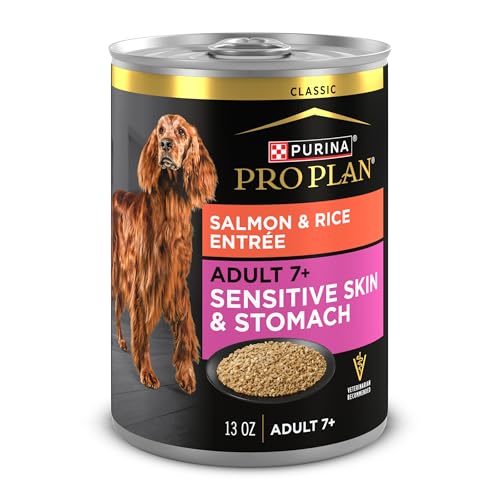
The Best Dog Food for Senior Dogs with Sensitive Stomachs
Your senior dog deserves a diet that supports their aging body and delicate digestion. This guide will help you understand what to look for, which ingredients to prioritize, and how to choose the best food for your older companion.
As dogs age, their digestive systems become more sensitive. Years of wear and tear, changes in gut bacteria, and a slowing metabolism can all contribute to stomach upset. If your senior dog experiences frequent gas, loose stools, vomiting, or simply seems uncomfortable after meals, finding the right food becomes essential. The best dog food for senior dogs with sensitive stomachs combines easily digestible proteins, gentle carbohydrates, and targeted nutrients to support both digestive health and overall well-being.
But with so many options on the market, how do you separate truly beneficial formulas from clever marketing? This guide will walk you through everything you need to know, from ingredient analysis to feeding transitions, so you can make an informed decision for your loyal companion.
Why Senior Dogs Develop Sensitive Stomachs
Aging affects every system in a dog's body, including the gastrointestinal tract. Understanding these changes helps you appreciate why a senior-specific diet is so important.
- Slower digestion: The digestive process slows down with age, meaning food stays in the stomach longer. This can lead to bloating, discomfort, and poor nutrient absorption.
- Reduced enzyme production: Older dogs produce fewer digestive enzymes, making it harder to break down fats, proteins, and carbohydrates efficiently.
- Changes in gut microbiome: The balance of beneficial bacteria in the gut shifts with age, potentially reducing the ability to handle dietary changes or rich foods.
- Weakened immune system: A less robust immune response in the gut can make senior dogs more susceptible to inflammation and infections.
- Dental issues: Missing teeth, gum disease, or pain while chewing can lead to swallowing food without proper breakdown, causing digestive upset.
- Underlying health conditions: Conditions like kidney disease, liver disease, pancreatitis, or inflammatory bowel disease become more common with age and often require specially formulated diets.
Important: If your senior dog has persistent digestive issues, always consult your veterinarian first. A sensitive stomach could be a symptom of a more serious underlying condition that requires medical treatment, not just a diet change.
Key Ingredients to Look For
When evaluating a senior sensitive stomach formula, focus on these beneficial components:
Highly Digestible Proteins
Protein is essential for maintaining muscle mass in aging dogs, but it must be easy to digest. Look for named, single-source proteins like chicken, turkey, salmon, or lamb. These are less likely to trigger sensitivities than blended meats or generic "meat meal." Some formulas use hydrolyzed proteins, which are broken down into tiny particles that are less likely to provoke an immune reaction — ideal for dogs with confirmed food allergies.
Gentle Carbohydrates
Complex carbohydrates provide energy and fiber. For sensitive stomachs, choose easily digestible options like sweet potato, brown rice, oatmeal, barley, or pumpkin. These release energy slowly and support healthy digestion. Avoid corn, wheat, and soy, which are common allergens and can be harder to process.
Prebiotics and Probiotics
These support a healthy gut microbiome. Prebiotics (like chicory root, inulin, or FOS) feed beneficial bacteria, while probiotics (like Lactobacillus or Enterococcus) add live beneficial bacteria directly. Many high-quality senior formulas include both.
Omega-3 Fatty Acids
Found in fish oil, flaxseed, or salmon, omega-3s have anti-inflammatory properties that can soothe the digestive tract and support joint health, skin, and coat — all common concerns for senior dogs.
Added Fiber
Fiber regulates bowel movements and supports digestive health. Look for natural sources like pumpkin, beet pulp, or psyllium. The right amount of fiber can help with both diarrhea and constipation.
Antioxidants and Vitamins
Vitamins E and C, along with antioxidants like blueberries or spinach, help combat oxidative stress and support the immune system, which weakens with age.
Pro Tip: Look for the AAFCO (Association of American Feed Control Officials) statement on the label. It should confirm the food is complete and balanced for your dog's life stage — in this case, "senior" or "all life stages." This ensures the formula meets minimum nutritional standards.
Ingredients to Avoid
Just as important as what you include is what you exclude. These ingredients can trigger or worsen digestive issues in sensitive senior dogs:
- Artificial preservatives: BHA, BHT, ethoxyquin, and propylene glycol can cause allergic reactions and digestive upset.
- Artificial colors and flavors: These add no nutritional value and can be problematic for sensitive dogs.
- By-products: While not inherently bad, "meat by-products" are vague and may include parts that are harder to digest. Named by-products (e.g., "chicken by-product") are slightly better, but whole meat is always preferable.
- Fillers: Corn, wheat, soy, and cellulose are cheap fillers that offer little nutrition and can trigger allergies.
- Excessive fat: High-fat foods can overwhelm a senior dog's digestive system and lead to pancreatitis. Look for moderate fat levels.
- Added sugars: Corn syrup, cane sugar, or other sweeteners can contribute to obesity and dental problems.
Types of Food: Wet vs. Dry vs. Fresh
Each format has its pros and cons for senior dogs with sensitive stomachs. The best choice depends on your dog's specific needs, preferences, and your lifestyle.
Dry Dog Food (Kibble)
Convenient, cost-effective, and easy to portion. Some senior formulas have softer kibble for easier chewing. Look for limited-ingredient or sensitive stomach varieties with highly digestible proteins. Can be moistened with water or broth for added hydration.
Mid-Range to PremiumWet Dog Food (Canned)
Higher moisture content aids hydration and digestion. Often more palatable for picky eaters or dogs with dental issues. Easier to eat for dogs with missing teeth. Can be mixed with kibble. Requires refrigeration after opening.
PremiumFresh/Refrigerated
Human-grade ingredients, gently cooked, minimal processing. Often easier to digest and highly palatable. Usually subscription-based. Most expensive option but offers the highest level of ingredient transparency.
LuxuryDehydrated or Freeze-Dried
Lightweight, shelf-stable, and made with minimal processing. Rehydrate with water for a soft, moist meal. Retains more nutrients than traditional kibble. Excellent for travel or as a topper.
Premium to Luxury| Feature | Dry Kibble | Wet Food | Fresh |
|---|---|---|---|
| Moisture Content | Low (10%) | High (75-80%) | High (70-75%) |
| Palatability | Moderate | High | Very High |
| Ease of Digestion | Good (if quality) | Excellent | Excellent |
| Convenience | High | Moderate | Low (subscription) |
| Cost Tier | Mid-Range | Premium | Luxury |
How to Choose the Right Formula
With so many options, narrowing down the best food for your senior dog with a sensitive stomach can feel overwhelming. Follow this step-by-step approach:
- Consult your veterinarian: Before making any dietary changes, talk to your vet. They can rule out underlying medical conditions and recommend specific dietary strategies based on your dog's health history.
- Identify your dog's specific sensitivities: If your dog has known allergies (e.g., to chicken or beef), look for formulas that avoid those proteins. If the cause is unknown, a limited-ingredient diet or hydrolyzed protein formula may be a good starting point.
- Check the AAFCO statement: Ensure the food is complete and balanced for your dog's life stage. "Senior" or "All Life Stages" are appropriate.
- Read the ingredient list: Look for a named protein source as the first ingredient. Avoid artificial preservatives, colors, and fillers. Check for added probiotics, prebiotics, and omega-3s.
- Consider the format: Wet food is often easier on sensitive stomachs and provides hydration. Dry food is convenient and can be moistened. Fresh food offers high palatability and digestibility.
- Start with a small bag or trial: Before committing to a large bag, purchase the smallest size available to see how your dog responds.
- Monitor your dog's response: Watch for improvements in stool quality, reduced gas, and increased energy. It may take 4-6 weeks to see the full benefits.
Remember: The "best" food is the one that works for your individual dog. What works wonders for one senior may not suit another. Patience and observation are key.
Transitioning Your Dog Safely
Suddenly switching foods can cause digestive upset, even if the new food is higher quality. A gradual transition over 7-10 days is essential.
- Days 1-2: 25% new food, 75% old food
- Days 3-4: 50% new food, 50% old food
- Days 5-6: 75% new food, 25% old food
- Days 7-10: 100% new food
If your dog shows signs of digestive upset (diarrhea, vomiting, gas) during the transition, slow down. Stay at the current ratio for a few extra days before increasing the new food. If problems persist, consult your vet.
Tip: Adding a spoonful of plain canned pumpkin (not pie filling) to each meal can help firm up stools and soothe the digestive tract during the transition.
When to Consider Homemade Diets
For some senior dogs with severe sensitivities, a homemade diet may be the best option. This gives you complete control over ingredients and allows you to tailor the diet to your dog's specific needs.
However, homemade diets come with significant responsibilities:
- Nutritional balance: It's challenging to formulate a complete and balanced diet without professional guidance. A veterinary nutritionist can help you create a recipe that meets all of your dog's nutritional requirements.
- Time and effort: Preparing meals from scratch takes time, planning, and consistent effort.
- Cost: While some homemade diets can be cost-effective, others (especially those with novel proteins or organic ingredients) can be more expensive than commercial options.
- Food safety: Proper handling, cooking, and storage are essential to prevent bacterial contamination.
If you're considering a homemade diet, consult a veterinary nutritionist to ensure your recipe is complete and balanced. For more information on digestive-friendly options, see our guide to the best wet dog food for senior dogs with sensitive stomachs.
Frequently Asked Questions
Final Thoughts
Choosing the best dog food for a senior dog with a sensitive stomach requires careful consideration of ingredients, format, and your dog's individual needs. By focusing on highly digestible proteins, gentle carbohydrates, and added digestive support, you can help your aging companion feel comfortable and thrive. Always consult your veterinarian before making significant dietary changes, and transition slowly. With the right nutrition, your senior dog can enjoy their golden years with vitality and comfort. For more specific guidance, explore our articles on the best dry dog food for senior dogs with sensitive stomachs and the best dog food for older small dogs with few teeth.