Best Wet Dog Food for Senior Dogs with Sensitive Stomachs
Finding the right nutrition for your aging dog can be challenging, especially if they have a sensitive stomach. This guide explores the best wet dog food options that are gentle on digestion, packed with nutrients, and delicious for your senior companion.
As dogs enter their golden years, their nutritional needs change. Many senior dogs experience digestive issues, making it essential to choose food that is both easy to digest and packed with high-quality nutrients. Wet dog food is often an excellent choice for older dogs due to its high moisture content, palatability, and softer texture, which is especially beneficial for those with dental problems. If your senior dog also has a sensitive stomach, selecting the right formula becomes even more critical. This guide will walk you through everything you need to know to make an informed choice and keep your furry friend happy and healthy.
Why Wet Food is a Great Choice for Senior Dogs
Wet dog food offers several advantages for senior dogs, particularly those with sensitive stomachs or dental issues. The higher moisture content (around 70-80%) is a significant benefit, helping to keep your dog hydrated and supporting kidney function, which can decline with age. The soft, easy-to-chew texture is perfect for dogs with missing teeth or sore gums, ensuring they can eat comfortably. Additionally, wet food tends to be more aromatic and flavorful than dry kibble, which can be a great way to entice picky eaters or dogs with a reduced sense of smell. When it comes to sensitive stomachs, the simpler ingredient lists in many premium wet foods can reduce the risk of digestive upset.
Did You Know? Senior dogs (typically over 7 years old) require a diet that is lower in calories but higher in protein and specific nutrients to maintain muscle mass and support overall health. Wet food can be a fantastic vehicle for delivering these targeted nutrients in a highly digestible form.
Key Ingredients to Look For (and Avoid)
Understanding what's in your dog's food is the first step to managing their sensitive stomach. When scanning the ingredient list, look for the following dog-friendly components:
✅ Single Source Protein
Chicken, turkey, lamb, or salmon. This makes it easier to pinpoint any food sensitivities. Look for named meat as the first ingredient.
✅ Easy-to-Digest Carbs
Brown rice, oatmeal, pumpkin, and sweet potato are gentle on the stomach and provide fiber for healthy digestion.
✅ Probiotics and Prebiotics
These beneficial bacteria and their food sources help support a healthy gut microbiome, aiding in digestion and nutrient absorption.
❌ Artificial Additives
Avoid foods with artificial colors, flavors, and preservatives (like BHA, BHT, or ethoxyquin). These can often trigger sensitivities.
For senior dogs with sensitive stomachs, it's also wise to avoid common fillers like corn, wheat, and soy, which can be difficult to digest and cause gastrointestinal upset. Always consult with your veterinarian to tailor the diet to your dog's specific health conditions, such as kidney disease or allergies. You can find more information on choosing the right dog food in our comprehensive guide.
Top 5 Wet Dog Foods for Senior Dogs with Sensitive Stomachs
Based on nutritional quality, ingredient integrity, and customer feedback, here are five excellent wet food options for your senior dog with a sensitive stomach:
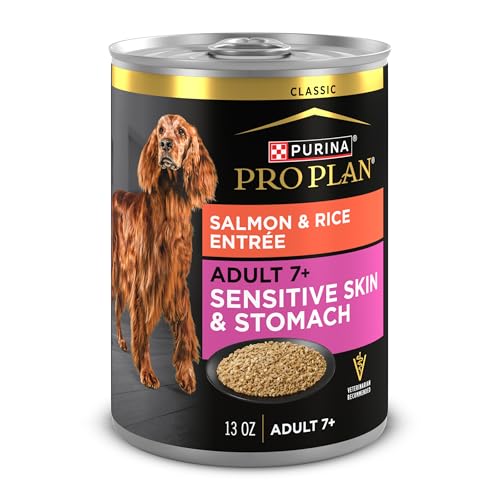
1. Purina Pro Plan Veterinary Diets EN Gastroenteric Wet Food
A veterinary diet specifically formulated for dogs with digestive issues. It's highly digestible and provides a balanced nutrition for adult and senior dogs.
- Key Ingredients: Rice, poultry by-products, oat hulls, and essential vitamins.
- Texture: Soft pâté.
- Price: ~$45 per 12-pack (13 oz cans).
2. Royal Canin Digestive Care Wet Dog Food
Another veterinary-recommended option, designed to support optimal stool quality and digestive health in dogs with sensitive stomachs.
- Key Ingredients: Pork by-products, chicken fat, fish oil, and psyllium husk.
- Texture: Slices in gravy.
- Price: ~$50 per 12-pack.
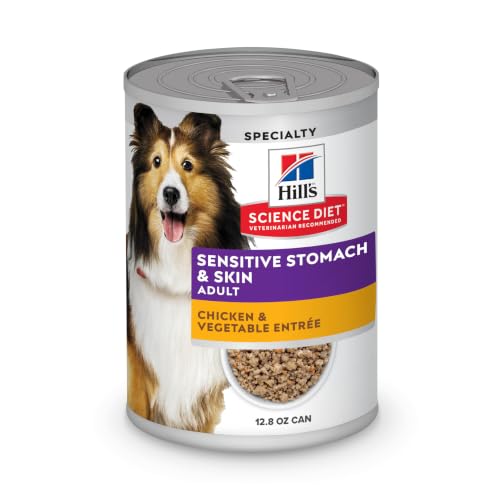
3. Hill's Science Diet Adult 7+ Sensitive Stomach & Skin Wet Food
Formulated with prebiotic fiber to support a healthy gut microbiome and easy-to-digest ingredients for senior dogs. It also contains Vitamin E and Omega-6s for skin health.
- Key Ingredients: Chicken, brewers rice, chicken fat, and beet pulp.
- Texture: Savory stew.
- Price: ~$40 per 12-pack (12.8 oz cans).
4. Blue Buffalo Homestyle Recipe Senior Dog Wet Food
Made with high-quality protein and wholesome grains. It's free from chicken by-product meals and artificial preservatives, making it a great option for senior dogs.
- Key Ingredients: Chicken, chicken broth, brown rice, and carrots.
- Texture: Pâté with visible vegetables.
- Price: ~$35 per 12-pack (12.5 oz cans).
5. Wellness Complete Health Natural Wet Canned Dog Food (Senior)
Features a blend of chicken, sweet potatoes, and flaxseed. The recipe is formulated with antioxidants, glucosamine, and omega fatty acids to support an aging dog's body.
- Key Ingredients: Chicken, chicken liver, sweet potatoes, and flaxseed.
- Texture: Chunks in gravy.
- Price: ~$38 per 12-pack (12.5 oz cans).
Comparison Table: At a Glance
Purina Pro Plan
Veterinary Diet
~$45
Best for: Severe GI issues
Royal Canin
Digestive Care
~$50
Best for: Stool quality
Hill's Science Diet
7+ Sensitive
~$40
Best for: Skin & stomach
* Prices are approximate and based on a 12-pack case. Actual prices may vary.
How to Transition Your Dog to a New Wet Food
Changing your dog's food abruptly can lead to digestive upset, especially for a dog with a sensitive stomach. A gradual transition over 7-10 days is recommended to allow your dog's digestive system to adapt to the new food. Here's a simple schedule:
- Days 1-3: Mix 25% new food with 75% of their current food.
- Days 4-6: Mix 50% new food with 50% of their current food.
- Days 7-9: Mix 75% new food with 25% of their current food.
- Day 10: Serve 100% of the new food.
During this period, monitor your dog for any signs of digestive distress, such as vomiting, diarrhea, or loss of appetite. If these symptoms occur, slow down the transition process or consult with your veterinarian. For more tips on introducing new food, you can read our guide on managing a senior dog's diet.
Frequently Asked Questions
Need More Advice?
Choosing the right food for your senior dog is a crucial step in ensuring their golden years are comfortable and happy. If your dog continues to have digestive issues, we recommend speaking with your vet about a personalized dietary plan. They can rule out any underlying medical conditions and help you choose a diet that best supports your dog's overall health.