Best Wet Dog Food for Senior Dogs with Kidney Problems
A comprehensive, vet-informed guide to choosing a kidney-friendly, low-phosphorus wet food that supports your senior dog's health and well-being.
When your senior dog is diagnosed with kidney disease (also known as chronic kidney disease or CKD), finding the right food becomes one of the most critical decisions you will make. The kidneys are responsible for filtering waste from the blood, and when they start to fail, the right diet can help slow the progression of the disease, reduce symptoms like nausea and lethargy, and improve your dog's quality of life.
Wet food is widely recommended by veterinarians as the preferred choice for dogs with kidney problems. Its high moisture content supports hydration, which is essential for kidney function, and its palatability makes it easier to entice senior dogs with decreased appetites.
⚠️ Important Medical Note: This information is for educational purposes only and is not a substitute for professional veterinary advice. Always work with your veterinarian to choose the right diet for your dog's specific stage of kidney disease.
Why Wet Food is Crucial for Dogs with Kidney Disease
Dry kibble typically contains only 10% moisture, while wet food contains around 78%. This high moisture content is a game-changer for dogs with kidney disease. Dehydration stresses the kidneys and can lead to more severe symptoms. Wet food helps maintain hydration, which also promotes better urine production and helps flush out the toxins the kidneys struggle to eliminate.
- Hydration: Proper hydration helps the kidneys function and prevents the build-up of toxins. Many senior dogs don't drink enough water, making wet food essential.
- Palatability: Senior dogs often lose their sense of smell and appetite. Wet food is more aromatic and flavorful, enticing them to eat, which is crucial for maintaining weight and strength.
- Easier to Chew: Dental issues are common in older dogs. Wet food is soft and easy to eat, ensuring they can consume the nutrition they need without discomfort. If your dog has severe dental issues, you might also want to look into soft dog food options or consider a senior dog diet plan.
- Lower Phosphorus: Many high-quality wet foods are formulated to be naturally lower in phosphorus and can be easier to manage compared to dry foods.
What to Look For: Key Nutritional Factors
Not all wet dog foods are created equal. For a dog with kidney problems, you need to pay close attention to specific nutritional markers.
1. Low Phosphorus
Phosphorus is a mineral that builds up in the blood when kidneys fail. High phosphorus levels can further damage the kidneys. Look for a wet food with a phosphorus content of less than 0.5% on a dry matter basis, as recommended by many veterinary internists.
2. Controlled, High-Quality Protein
Protein is essential, but too much can stress the kidneys. Instead of a low-protein diet, a kidney-friendly diet uses high-quality, highly digestible protein. This means the body can use it efficiently with less waste. Look for named protein sources like chicken, turkey, or fish.
3. Added Omega-3 Fatty Acids
Omega-3s (DHA and EPA) have been shown to have anti-inflammatory effects that can help protect the kidneys. They also support overall health and can help reduce the protein loss through the kidneys. Find ingredients like fish oil or flaxseed on the label.
4. Low Sodium
Sodium can raise blood pressure, which is particularly dangerous for dogs with kidney disease. A low-sodium diet helps manage blood pressure and reduce further kidney strain. Many kidney diets are naturally lower in sodium.
5. Palatability and Digestibility
If your dog won't eat the food, it won't help. The food should be highly palatable and easily digestible to reduce gastrointestinal upset, which is common in dogs with kidney issues.
Pro Tip: Always check the guaranteed analysis on the label. Compare the nutrient levels as percentages on a dry matter basis to accurately compare different products. Your vet can help you interpret these numbers.
Top 5 Best Wet Foods for Dogs with Kidney Problems
Based on the criteria above, these are some of the best options available on the market, often recommended by veterinarians. Each formulation has been designed to support kidney health while being delicious for your senior dog.
- Royal Canin Veterinary Diet Renal Support D Morsels in Gravy – This is a highly palatable wet food with a regulated phosphorus and high-quality protein profile. It also includes a blend of fatty acids to support kidney function and is enriched with antioxidants to help fight oxidative stress. It's specifically formulated for dogs with CKD.
- Hill's Prescription Diet k/d Kidney Care Stew – A clinically tested stew that has been shown to improve kidney function and quality of life. It offers a controlled phosphorus level, high-quality protein, and added omega-3 fatty acids. Its stew texture is often a hit with older dogs who have difficulty chewing.
- Purina Pro Plan Veterinary Diets NF Kidney Function – This canned food is a great option for managing kidney issues. It features a restricted phosphorus level and contains high-quality protein to help support muscle mass. It is also enriched with omega-3 fatty acids and B-complex vitamins.
- Blue Buffalo Veterinary Diet NP Kidney Support – A natural, grain-free option that includes essential nutrients like L-carnitine and taurine. It is formulated with a precise blend of protein and phosphorus to support kidney health in dogs.
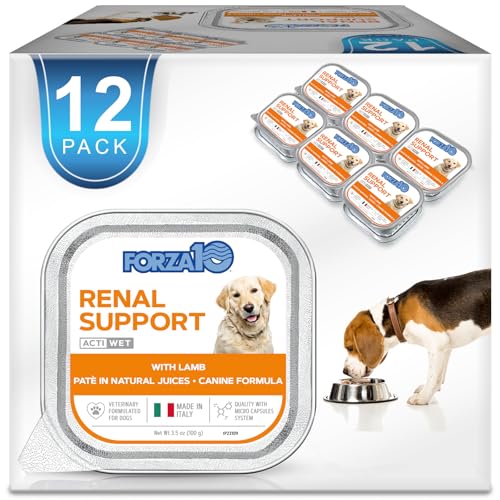
- Forza10 Nutraceutic Diet Renal Active – This is a unique wet food that focuses on supporting renal function with a low phosphorus level and high-quality fish protein. It's grain-free and also contains special ingredients to support the immune system, which can be compromised in dogs with kidney disease.
For a broader look at other types of food, you can explore our general guide on dog food or learn more about managing other conditions like diabetes or arthritis, which often occur alongside kidney disease in senior dogs. If you are considering a raw diet for other health reasons, read more about the raw diet benefits and risks first.
Feeding Tips for Senior Dogs with Kidney Issues
Introducing a new food to your senior dog, especially one with a medical condition, requires patience and care. Here are some strategies to help your dog transition to their new kidney-friendly diet.
- Transition Slowly: Mix the new wet food with their old food over 5-7 days, gradually increasing the new food's proportion. This reduces the chance of gastrointestinal upset.
- Warm It Up: Gently warming the food can enhance the aroma, making it more enticing for a dog with a reduced appetite.
- Encourage Hydration: Even with wet food, ensure fresh water is always available. Consider adding a little warm water to the wet food to create a broth-like consistency.
- Feed Small, Frequent Meals: Smaller meals are easier on the digestive system and can help manage nausea, a common symptom of kidney disease.
- Monitor Their Weight: Regularly weigh your dog to ensure they are maintaining a healthy weight. Sudden weight loss is a sign you may need to consult your vet about adjusting the diet or adding a dog supplement.
- Work with Your Vet: Ongoing monitoring, including blood and urine tests, is critical. Your vet can tell you how well the new diet is working and make adjustments as needed. Understanding dog kidney disease is crucial for making informed decisions with your vet.
💡 Remember: A significant part of managing kidney disease involves managing your dog's overall health. This includes keeping them at a healthy weight with effective weight management and ensuring they get appropriate exercise without over-exertion.
Frequently Asked Questions
🛒 Ready to Make a Choice?
Choosing the right food is a vital step in managing your dog's kidney health. The products listed above are excellent starting points, but always discuss your choice with your vet. The best food is one that your dog will eat and that effectively supports their kidney function.