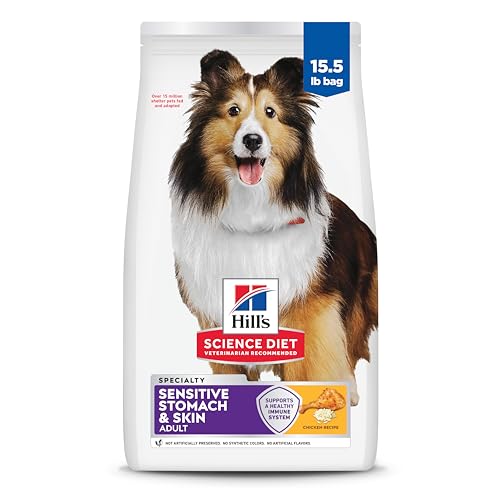
Best Dry Dog Food for Dogs with Allergies and Sensitive Stomachs
If your dog is constantly itching, licking their paws, or dealing with loose stools, the food in their bowl may be the culprit. This guide breaks down exactly how to choose a dry dog food that calms allergic reactions and soothes sensitive digestive systems — without the guesswork.
Watching your dog suffer from itchy skin, chronic ear infections, or digestive upset is frustrating and heartbreaking. You want to help, but the pet food aisle is overwhelming — every bag claims to be "hypoallergenic," "gentle," or "limited ingredient," yet the symptoms persist. The truth is that finding the right dry dog food requires understanding what is actually causing the problem, not just grabbing the bag with the most appealing label.
This guide is built for dog owners who are past the "just try something" stage and ready to make an informed decision. We will walk through how to identify the difference between a true food allergy and a simple digestive sensitivity, which ingredients to seek out and which to avoid, and how to transition your dog onto a new food without making things worse. By the end, you will know exactly what to look for and be ready to make a confident purchase.
Signs Your Dog Has Allergies or a Sensitive Stomach
Before you switch foods, you need to identify what you are actually dealing with. Allergies and sensitivities can look similar from the outside, but they have different causes and often require different approaches. Knowing the specific symptoms will help you choose the right formula and avoid wasting time and money on food that does not address the root issue.
Common Signs of Food Allergies
Food allergies are immune reactions to specific proteins in your dog's diet. They typically show up as skin and ear problems rather than digestive issues.
- Intense itching — especially around the face, paws, ears, and rear end
- Red, inflamed skin — often accompanied by hair loss or hot spots
- Chronic ear infections — yeast or bacteria that keep coming back
- Paw licking and chewing — sometimes to the point of redness or bleeding
- Hives or facial swelling — less common but a clear allergic response
- Digestive upset — vomiting or diarrhea can occur alongside skin symptoms
Common Signs of a Sensitive Stomach
Sensitive stomachs are about digestion, not the immune system. Symptoms tend to be gastrointestinal and appear shortly after eating.
- Vomiting — especially right after meals or bile in the morning
- Loose stools or diarrhea — often with mucus or a strong odor
- Excessive gas — bloating and flatulence after eating
- Stomach gurgling — audible digestion sounds
- Picky eating — refusing food or eating reluctantly
- Weight loss — if food is not being properly absorbed
Important: Some dogs have both allergies and a sensitive stomach. If your dog is itchy and has digestive issues, you likely need a formula that addresses both. A combination approach is often necessary for these dogs.
Food Allergy vs. Food Sensitivity: What's the Difference?
These terms are often used interchangeably, but they describe different problems. Understanding the distinction matters because it changes which food will actually help your dog.
- Food allergy: An immune system reaction to a specific protein, usually one your dog has eaten before. The body mistakenly identifies the protein as a threat, triggering symptoms like itching, ear infections, and skin inflammation. True food allergies are less common than most people think — studies suggest only about 10-15% of suspected food allergies are confirmed as true allergies.
- Food sensitivity (or intolerance): A digestive system reaction that does not involve the immune system. It can be caused by a specific ingredient, high fat content, or simply a food that is too rich for your dog's system. Symptoms are primarily gastrointestinal — vomiting, diarrhea, gas — and do not typically cause itching.
- Environmental allergies: Many dogs with "food allergy" symptoms are actually reacting to pollen, dust mites, or mold. These dogs may improve with a diet for skin problems but often need additional treatment for environmental triggers.
If you are unsure which category your dog falls into, a veterinarian can help. An elimination diet trial is the gold standard for diagnosing food allergies — it involves feeding a novel or hydrolyzed protein diet exclusively for 8-12 weeks and monitoring for improvement. For dogs with sensitive stomachs, a simpler transition to a gentle formula may resolve symptoms within a few weeks.
Ingredients to Look For and Avoid
The ingredient list is where you will find the truth about any dog food. Marketing terms like "natural" and "holistic" mean very little — what matters is the specific sources of protein, fat, and carbohydrates, and whether the formula contains common triggers.
Ingredients to Look For
- Novel protein sources: Proteins your dog has never eaten before, such as venison, duck, rabbit, kangaroo, or salmon. These are less likely to trigger an allergic response because the immune system has not been exposed to them.
- Hydrolyzed protein: Proteins that have been broken down into tiny fragments too small for the immune system to recognize. These are used in prescription diets and are highly effective for confirmed allergies.
- Limited ingredients: Formulas with a short ingredient list reduce the chance of exposure to a trigger. Look for foods with one primary animal protein and one primary carbohydrate.
- Omega-3 fatty acids: Fish oil, flaxseed, and other sources of omega-3s help reduce inflammation in the skin and support a healthy coat. They can also support digestive health.
- Probiotics and prebiotics: These support a healthy gut microbiome, which is especially important for dogs with sensitive stomachs. Look for added probiotics or ingredients like chicory root that feed beneficial bacteria.
- Digestible carbohydrates: Rice, oatmeal, sweet potato, and pumpkin are easy on the digestive system and less likely to cause upset than wheat, corn, or soy.
Ingredients to Avoid
- Common proteins: Chicken, beef, dairy, eggs, lamb, and soy are the most frequent allergens in dogs. If your dog has been eating these for years, one of them may be the trigger.
- Wheat, corn, and soy: These grains and legumes are common fillers and can be difficult for sensitive dogs to digest. They are also common allergens.
- Artificial colors, flavors, and preservatives: BHA, BHT, ethoxyquin, and artificial dyes serve no nutritional purpose and can trigger reactions in sensitive dogs.
- High-fat content: Rich, high-fat foods can cause digestive upset in dogs with sensitive stomachs. Look for moderate fat levels, especially if your dog has had pancreatitis or diarrhea issues.
- By-products and unnamed meats: "Meat meal" and "poultry by-product meal" can contain a mix of proteins, making it impossible to identify a trigger. Choose foods with named protein sources.
Pro Tip: If you suspect a specific protein is the problem, look for a food that uses a completely different protein. For example, if your dog has eaten chicken-based food for years, try a salmon, venison, or duck formula. For dogs with sensitive stomachs, consider a food specifically designed for sensitive stomachs.
Types of Dry Food for Allergic Dogs
Not all "hypoallergenic" dog foods are created equal. There are several categories of dry food designed for dogs with allergies and sensitivities, and each works differently. Understanding these categories will help you choose the right one for your dog's specific situation.
Limited Ingredient Diet (LID)
These formulas contain a short list of ingredients — typically one animal protein, one carbohydrate, and a few supplements. They are ideal for dogs with suspected food sensitivities and for owners who want to isolate potential triggers. LID foods are widely available and come in a range of protein options.
mid-range to premiumNovel Protein Diet
These foods use a protein source your dog has likely never eaten, such as venison, rabbit, duck, or kangaroo. Because the immune system has not been exposed to these proteins, they are less likely to trigger an allergic reaction. Novel protein diets are a common choice for dogs with confirmed allergies.
premiumHydrolyzed Protein Diet
These are prescription diets in which the protein has been broken down into fragments too small to be recognized by the immune system. They are the most effective option for dogs with severe or confirmed food allergies. A veterinary prescription is required.
premium to luxuryGrain-Free / Limited Grain
These formulas eliminate or reduce grains like wheat, corn, and soy, which are common allergens and can be hard on sensitive stomachs. Grain-free does not mean carbohydrate-free — ingredients like sweet potato, peas, and lentils replace grains. Best for dogs with grain sensitivities, not protein allergies.
mid-range to premiumSensitive Stomach Formulas
These foods are designed specifically for digestive health. They often include probiotics, prebiotic fiber, and easily digestible proteins like salmon or turkey. They may not be hypoallergenic, but they are gentle on the gut and can resolve issues like gas, loose stools, and vomiting.
entry-level to mid-rangeSkin & Coat Support Formulas
These foods are enriched with omega-3 and omega-6 fatty acids, biotin, and other nutrients that support skin health. They are helpful for dogs with dry, itchy skin and dull coats, whether the cause is allergies or nutritional deficiencies.
mid-rangeComparing Hypoallergenic Dry Food Options
The table below compares the main categories of dry dog food for allergies and sensitive stomachs. Use it to narrow down which type is most likely to help your dog, based on their specific symptoms and needs.
| Type | Best For | Protein Source | Key Features | Vet Prescription? |
|---|---|---|---|---|
| Limited Ingredient | Suspected sensitivities, elimination diets | Single novel or familiar protein | Short ingredient list, no fillers | No |
| Novel Protein | Confirmed protein allergies | Venison, duck, rabbit, kangaroo | Protein dog has never eaten | No |
| Hydrolyzed Protein | Severe allergies, diagnostic trials | Hydrolyzed chicken or soy | Protein broken into tiny fragments | Yes |
| Grain-Free | Grain sensitivities, itchy skin | Varies (often chicken, fish, or novel) | No wheat, corn, or soy | No |
| Sensitive Stomach | Digestive upset, gas, loose stools | Salmon, turkey, or lamb | Probiotics, easy-to-digest carbs | No |
| Skin & Coat | Dry, itchy skin, dull coat | Fish, chicken, or novel protein | High omega-3, biotin, zinc | No |
For dogs with both allergies and sensitive stomachs, a limited ingredient diet with a novel protein and added probiotics is often the best starting point. You can explore specific options in our guide to the best dry dog food for sensitive stomachs and the best overall dog food for allergies and sensitive stomachs.
How to Transition Your Dog Safely
Switching foods too quickly can cause digestive upset even in dogs without sensitivities. When you are already dealing with allergies or a sensitive stomach, a gradual transition is essential. Here is the safest approach:
- Days 1-3: Mix 25% new food with 75% old food. Watch for any changes in stool consistency, itching, or appetite.
- Days 4-6: Increase to 50% new food and 50% old food. If you notice loose stools or increased itching, slow down and stay at this ratio for a few more days.
- Days 7-9: Move to 75% new food and 25% old food. By now, most dogs should be adjusting well.
- Day 10+: Transition to 100% new food. Continue monitoring for at least 2-4 weeks for digestive improvements and 8-12 weeks for skin and coat improvements.
What if my dog refuses the new food? Some dogs are suspicious of new food, especially if they are picky eaters. Try warming the food slightly, adding a small amount of warm water, or mixing in a tiny bit of a high-value topper. Do not give in and go back to the old food immediately — give it a few days. If your dog refuses to eat for more than 24 hours, consult your vet.
For Elimination Diet Trials: If you are switching to a novel protein or hydrolyzed diet to diagnose a food allergy, the transition must be strict. Your dog cannot eat anything else — no treats, no table scraps, no flavored medications — during the trial period. Even a small amount of the old food can trigger symptoms and invalidate the results.
Common Mistakes to Avoid
Even well-intentioned owners make mistakes when trying to manage allergies and sensitive stomachs. Avoiding these common pitfalls will save you time, money, and frustration.
- Assuming "hypoallergenic" means safe for every dog. A food can be hypoallergenic for one dog and still trigger a reaction in another. The only way to know is to try it and monitor closely. What works for your neighbor's dog may not work for yours.
- Switching foods too quickly. A sudden change can cause diarrhea even in dogs without sensitivities. Always transition over 7-10 days, and longer if your dog has a sensitive stomach.
- Not reading the full ingredient list. "Salmon" on the front of the bag does not mean salmon is the only protein inside. Check the ingredient list for hidden chicken fat, beef broth, or other common allergens.
- Giving treats that contain allergens. You can feed the best dry food in the world, but if you are giving treats with chicken or wheat, your dog will still react. Switch to hypoallergenic treats or use pieces of the new kibble as rewards.
- Expecting overnight results. Digestive improvements may appear in 2-4 weeks, but skin and coat improvements take 8-12 weeks. Be patient and consistent.
- Self-diagnosing without veterinary guidance. Many conditions mimic food allergies, including environmental allergies, parasites, and thyroid issues. A vet can help you rule out other causes before you commit to an expensive prescription diet.
- Ignoring the role of environment. If your dog is allergic to pollen or dust mites, no food change will fully resolve their symptoms. You may need a combination of diet, medication, and environmental management.
Frequently Asked Questions
Ready to Make a Decision?
Finding the right dry dog food for a dog with allergies and a sensitive stomach is a process, but it is one that pays off in a healthier, happier dog. Start by identifying your dog's primary symptoms — itching and ear infections point toward allergies, while vomiting and loose stools suggest a sensitive stomach. Choose a food that addresses those specific issues, transition slowly, and give it at least 8-12 weeks before judging the results. If you are still unsure, our guides to the best dry food for large dogs with sensitive stomachs and the best dry food for small dogs with sensitive stomachs can help you narrow down the best formula for your dog's size and needs.