Best Dry Dog Food for Large Dogs with Sensitive Stomachs
Discover the top-rated dry dog foods formulated to soothe sensitive stomachs in large and giant breed dogs. Expert reviews, feeding tips, and everything you need to keep your big dog's digestion happy.
Large and giant breed dogs have unique nutritional needs. Their size and rapid growth (especially in puppies) place significant demands on their bodies. When you add a sensitive stomach to the mix, finding the right food becomes a critical mission. A diet that triggers gas, diarrhea, or vomiting isn't just unpleasant — it can lead to malabsorption, weight loss, and a weakened immune system.
This guide cuts through the marketing hype to bring you the best dry dog food for large dogs with sensitive stomachs. We've analyzed ingredient lists, considered nutritional profiles, and evaluated the real-world experiences of big dog owners to bring you a curated list of top contenders. Whether you have a large dog breed like a German Shepherd or a gentle giant like a Mastiff, you'll find the right choice here.
Why Large Dogs Get Sensitive Stomachs
Large and giant breeds can be more prone to digestive issues for several reasons. Their rapid growth rate, particularly in the first 18 months, can make their developing digestive systems sensitive. Furthermore, their size means they eat more food, increasing the chances of consuming ingredients that don't agree with them.
Common symptoms of a sensitive stomach in large dogs include loose stools, flatulence, vomiting, gurgling stomach noises, and a dull coat. If you notice these signs, it's a clear signal that your dog's current diet isn't optimal. A food formulated for sensitive stomachs, often containing easily digestible proteins and prebiotic fibers, can make a world of difference. You can also check our guide on solving digestive issues in dogs for more comprehensive advice.
Key Ingredients to Look For
When selecting the best dry dog food for a large dog with a sensitive stomach, you need to become a label detective. Here are the ingredients that signal a high-quality, gut-friendly formula:
- Single, High-Quality Protein Source: Look for a named meat like "Salmon," "Lamb," or "Turkey" as the first ingredient. Novel proteins (like salmon or duck) can be excellent for dogs with common protein allergies.
- Easily Digestible Carbohydrates: Choose whole grains like brown rice or oatmeal, or grain-free options like sweet potato or pumpkin. These are gentle on the stomach and provide sustained energy.
- Prebiotics and Probiotics: Ingredients like chicory root (a prebiotic) and specific probiotic strains (like Bacillus coagulans) support a healthy gut microbiome, which is crucial for digestion and immunity.
- Healthy Fats: Omega-3 and Omega-6 fatty acids from sources like fish oil and flaxseed help reduce inflammation and promote a healthy skin and coat, which can be affected by a poor diet.
- Added Vitamins & Minerals: Chelated minerals are often easier to absorb, and a balanced vitamin complex supports overall health, especially important for growing large-breed dogs.
For dogs with severe allergies, a limited-ingredient diet can be a great starting point. Learn more about managing dog allergies naturally.
Ingredients to Avoid
Just as important as knowing what to look for is knowing what to avoid. These ingredients are common triggers for digestive upset in large dogs:
- Artificial Preservatives: BHA, BHT, and ethoxyquin are common preservatives in lower-quality foods that can be harsh on a sensitive system.
- Artificial Colors: These are unnecessary and offer no nutritional value; they can be a source of allergens for some dogs.
- Generic "Meat Meals": Vague labels like "meat meal" or "poultry meal" can be a mix of low-quality ingredients. You want a clearly defined source like "chicken meal."
- Common Fillers: Corn, wheat, and soy are often used as cheap fillers and can be difficult for many dogs to digest, leading to gas and bloating.
- High Fat Content: While fat is an excellent energy source, a diet that's too rich can cause digestive upset in sensitive dogs. Look for a moderate fat content that's appropriate for a large breed's metabolism.
Top 5 Best Dry Dog Foods for Large Dogs with Sensitive Stomachs
Based on our analysis of ingredients, nutritional value, and owner reviews, here are our top recommendations for large dogs with sensitive stomachs.
1. Purina Pro Plan Sensitive Skin & Stomach Salmon & Rice Formula
Key Ingredients: Salmon (first ingredient), rice, oatmeal, fish meal, canola meal.
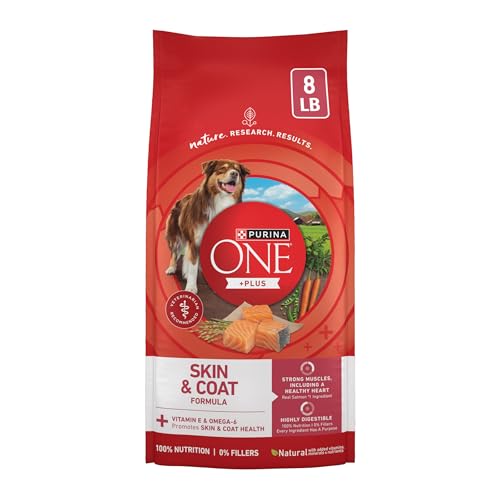
Why it's great: This is a classic, vet-recommended choice. Salmon is a highly digestible protein and an excellent source of omega-3s. The oatmeal and rice are gentle on the stomach. It also includes prebiotic fiber to support gut health.
Best for: Large breeds with moderate to severe sensitivities, including those with skin issues. A top choice for dogs with known poultry allergies.
Estimated Price: $85+ for a 35-lb bag
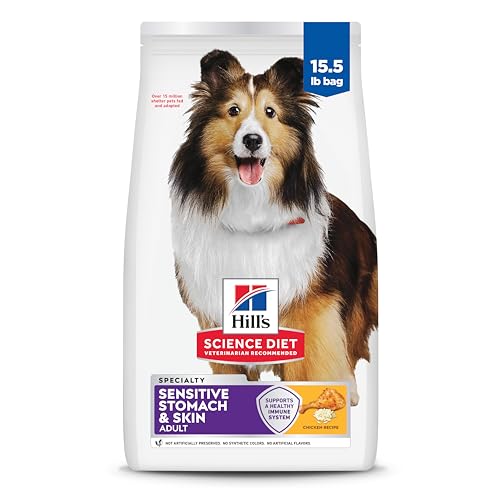
2. Hill's Science Diet Adult Sensitive Stomach & Skin Chicken & Barley Recipe
Key Ingredients: Chicken, chicken meal, barley, brown rice, brewers rice.
Why it's great: This formula is backed by decades of science and clinical testing. It's highly palatable and contains a balanced set of fibers and prebiotics to support a healthy microbiome. It's also formulated to be gentle on the stomach.
Best for: Dogs with a history of digestive upsets and also prone to dry skin or a dull coat. A reliable, balanced option for many large-breed adults.
Estimated Price: $95+ for a 30-lb bag
3. Royal Canin Large Digestive Care Dry Dog Food
Key Ingredients: Chicken meal, rice, corn, chicken fat, barley.
Why it's great: Specifically formulated for large-breed digestive health. Features highly digestible proteins and prebiotics to support a balanced intestinal flora. Kibble shape and size are designed to encourage chewing, which aids digestion.
Best for: Large breed adults (weighing 56-100 lbs) with chronic digestive issues. It's a specialized formula you can trust for a sensitive gut.
Estimated Price: $105+ for a 30-lb bag
4. Blue Buffalo Basics Limited Ingredient Diet Adult Salmon & Potato
Key Ingredients: Salmon (first ingredient), salmon meal, potatoes, peas, canola oil.
Why it's great: This is an excellent limited-ingredient choice. Salmon is a novel protein for many dogs, and the potato and pea combination is a highly digestible carbohydrate source. It's free from chicken, beef, corn, wheat, soy, and artificial colors.
Best for: Dogs with food sensitivities or allergies to common proteins and grains. A great first step when trying to identify triggers.
Estimated Price: $75+ for a 24-lb bag
5. Wellness CORE Digestive Health Large Breed
Key Ingredients: Deboned salmon, chicken meal, oatmeal, barley, potato.
Why it's great: This is a high-protein, grain-inclusive formula focused on digestive health. It contains a unique blend of probiotics and prebiotics, plus digestive enzymes, to maximize nutrient absorption and promote easy digestion. Great for maintaining lean muscle mass.
Best for: Active large-breed adults (50-100 lbs) that need support for both digestion and joints. It's a premium choice for an all-around healthy diet.
Estimated Price: $95+ for a 26-lb bag
Feeding Tips for Large Dogs with Sensitive Stomachs
Choosing the right food is only half the battle. How you feed your large dog is just as important. Follow these tips to minimize digestive upset:
- Transition Slowly: Never switch food abruptly. Mix 75% old food with 25% new food for 2-3 days, then 50/50, and then 25/75 before completely switching. This gives your dog's gut bacteria time to adjust.
- Use a Slow Feeder: Large dogs that eat too quickly can swallow air, leading to bloat and gas. Slow-feeder bowls or puzzle toys can help pace their eating. Consider interactive toys for mental stimulation as well.
- Maintain a Consistent Schedule: Feeding your dog at the same times each day helps regulate their digestive system. Sudden changes in meal times can cause stomach upset.
- Consider Smaller, More Frequent Meals: Instead of one or two large meals, try splitting their daily food into three smaller meals. This can be gentler on the stomach.
- Always Have Fresh Water: Proper hydration is crucial for digestion. Ensure your large dog has access to clean, fresh water at all times.
For more general advice, you can also review our complete dog care guide and our in-depth dog food guide.
Frequently Asked Questions
Avoid artificial preservatives (BHA, BHT), artificial colors, and common fillers like corn, wheat, and soy. Also, steer clear of generic 'meat meals' and high-fat content, which can trigger digestive upset in sensitive dogs.
Transition slowly over 7-10 days. Start with 25% new food mixed with 75% old food, then gradually increase the proportion of new food. Monitor your dog for any digestive issues during the transition.
Yes, probiotics can support digestive health. Many sensitive stomach formulas include prebiotics and probiotics. You can also add a separate probiotic supplement, but consult your vet for a suitable product and dosage.
Take the Next Step
Finding the perfect food is a journey. Start with one of our top recommendations and observe your dog's reaction over a few weeks. Their energy levels, coat quality, and stool consistency will tell you if you're on the right track. The foods featured below are trusted choices that many owners have found success with. We hope this guide has provided you with the clarity you need to make the best choice for your furry friend.