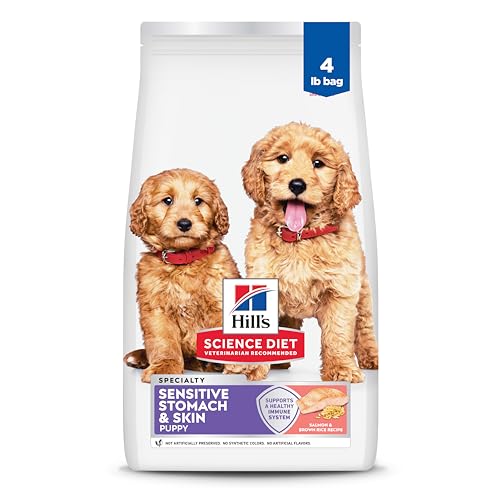
Best Large Breed Puppy Food for Sensitive Stomach and Diarrhea
Finding the right food for a large breed puppy with a sensitive stomach can feel overwhelming. This guide cuts through the confusion, helping you choose a formula that supports healthy growth without triggering digestive upset.
Large breed puppies grow at an astonishing rate. A Great Dane puppy can gain over 100 pounds in their first year. This rapid growth puts immense stress on their digestive system, making them prone to stomach upset and diarrhea. Choosing the right food is not just about preventing messy accidents—it is about providing the precise nutrition they need for healthy bone development, muscle growth, and long-term well-being.
Unlike small breed puppies, large breeds have unique nutritional requirements. They need controlled levels of calcium and phosphorus to prevent skeletal problems, and their food must support slow, steady growth rather than rapid weight gain. When you add a sensitive stomach to the equation, finding the right formula becomes even more critical. This guide will walk you through exactly what to look for and what to avoid.
Why Large Breed Puppies Have Sensitive Stomachs
It is not your imagination—large breed puppies genuinely are more prone to digestive issues than their smaller counterparts. Understanding the reasons can help you make more informed choices.
- Rapid Growth Rate: Large breed puppies grow incredibly fast. Their digestive systems are working overtime to process nutrients for bone, muscle, and organ development. This constant demand can lead to imbalances and upset.
- Immature Digestive Tract: A puppy's digestive system is not fully developed. The production of digestive enzymes and stomach acid is still ramping up, making it harder to break down certain ingredients.
- Food Sensitivities and Allergies: Just like humans, dogs can develop sensitivities to specific proteins or grains. Common triggers include chicken, beef, wheat, corn, and soy.
- Overfeeding: It is tempting to feed a growing puppy more, but overfeeding is a leading cause of diarrhea. It overwhelms the digestive system and can lead to obesity and joint problems.
- Stress and Environment: Moving to a new home, changes in routine, and even excitement can cause stress-related diarrhea in puppies.
Important Note: If your puppy has frequent diarrhea, vomiting, lethargy, or blood in their stool, consult a veterinarian immediately. These can be signs of serious conditions like parvovirus or intestinal parasites, not just a sensitive stomach.
Key Ingredients to Look For
The best food for a large breed puppy with a sensitive stomach contains ingredients that are easy to digest and support overall health. Here is what to prioritize.
High-Quality Protein Sources
Protein is essential for growth, but the source matters. For sensitive stomachs, look for novel or limited protein sources that are less likely to trigger reactions.
- Salmon and Whitefish: Highly digestible and rich in omega-3 fatty acids, which reduce inflammation in the gut.
- Lamb and Venison: Novel proteins that are less commonly used in dog food, making them less likely to cause sensitivities.
- Turkey and Duck: Often better tolerated than chicken or beef.
- Eggs: A complete protein source that is highly digestible.
Easy-to-Digest Carbohydrates
Carbohydrates provide energy, but some are gentler on the stomach than others.
- Rice: White rice is a classic bland diet ingredient, very easy to digest.
- Oatmeal: A gentle source of fiber and energy.
- Barley: Contains soluble fiber that supports digestive health.
- Sweet Potatoes: Rich in fiber and vitamins, but introduce slowly.
Probiotics and Prebiotics
These are game-changers for sensitive stomachs. Probiotics are beneficial bacteria, while prebiotics are fibers that feed them.
- Probiotics: Look for specific strains like Lactobacillus and Bifidobacterium on the label.
- Prebiotics: Ingredients like chicory root, beet pulp, and inulin support a healthy gut microbiome.
- Fermented Foods: Some premium foods include fermented vegetables or yogurt for natural probiotics.
Omega-3 Fatty Acids
These healthy fats, found in fish oil and flaxseed, have anti-inflammatory properties that can soothe an irritated digestive tract. They also support brain development and a shiny coat.
Controlled Calcium and Phosphorus
This is critical for large breed puppies. Too much calcium can cause bone deformities. The ideal calcium-to-phosphorus ratio for large breed puppies is approximately 1.2:1 to 1.4:1.
Ingredients to Avoid
Just as important as what you include is what you exclude. These ingredients are common triggers for digestive upset in large breed puppies.
- Artificial Preservatives: BHA, BHT, ethoxyquin, and propyl gallate can cause allergic reactions and digestive issues.
- Artificial Colors and Flavors: Unnecessary additives that serve no nutritional purpose and can trigger sensitivities.
- By-Product Meals: Generic "meat meal" or "poultry by-product meal" can contain parts of animals that are difficult to digest and of lower quality.
- Corn, Wheat, and Soy: These are common allergens and can be difficult for sensitive stomachs to process. While not all dogs are allergic, they are frequent culprits.
- Dairy Products: Many dogs are lactose intolerant, and dairy can cause diarrhea and gas.
- High-Fat Ingredients: Excessive fat can trigger pancreatitis and diarrhea. Look for moderate fat levels appropriate for large breed puppies.
Types of Food for Sensitive Stomachs
When selecting a food for your large breed puppy, you have several options. Each has its own advantages and considerations.
Limited Ingredient Diets (LID)
These formulas contain a single protein source and a single carbohydrate source. They are ideal for identifying and avoiding specific triggers. Look for LIDs that are specifically formulated for large breed puppies.
Premium TierGrain-Free Formulas
If your puppy is sensitive to grains like wheat or corn, a grain-free formula may help. However, be aware that some grain-free diets have been linked to heart issues (DCM) in dogs. Always consult your vet before choosing grain-free.
Mid-to-Premium TierNovel Protein Diets
These use proteins your puppy has never eaten before, such as venison, rabbit, or kangaroo. They are excellent for dogs with established food allergies. They can be more expensive and harder to find.
High-End TierHydrolyzed Protein Diets
These prescription diets break down proteins into tiny pieces that the immune system cannot recognize. They are often used for severe allergies and are only available through a veterinarian.
Veterinary ExclusiveGentle/ Sensitive Stomach Formulas
Many mainstream brands offer formulas specifically designed for sensitive stomachs. These often include probiotics, easy-to-digest proteins, and prebiotics. They are a good starting point for mild sensitivities.
Mid-Range TierWet/Canned Food
Wet food is highly palatable and often easier to digest. It also provides extra hydration, which is beneficial for puppies with diarrhea. You can mix it with dry food or feed it alone.
Mid-to-Premium TierHow to Transition to a New Food
Switching foods too quickly is a leading cause of diarrhea. Even if you are moving to a better formula, you must transition slowly over 7 to 10 days.
- Days 1-2: 75% old food, 25% new food.
- Days 3-4: 50% old food, 50% new food.
- Days 5-6: 25% old food, 75% new food.
- Days 7-10: 100% new food.
Pro Tip: If your puppy is currently experiencing diarrhea, wait until their stool is firm and normal before starting the transition. You can also add a spoonful of plain canned pumpkin (not pie filling) to their food to help firm up their stool during the switch.
During the transition, monitor your puppy closely. If diarrhea returns, slow down the transition or go back to the previous ratio for a few days. Every puppy is different, and some may need a slower transition than others.
When to See a Veterinarian
While a sensitive stomach is common, some symptoms indicate a more serious problem. Do not hesitate to contact your vet if you notice any of the following:
- Diarrhea lasting more than 24 hours
- Blood in the stool (bright red or dark, tarry stool)
- Vomiting that is frequent or accompanied by diarrhea
- Lethargy, weakness, or depression
- Loss of appetite lasting more than one day
- Signs of dehydration (dry gums, skin that doesn't snap back when pinched)
- Bloating or a swollen abdomen
- Fever (normal temperature is 101-102.5°F)
Your veterinarian can perform tests to rule out parasites, bacterial infections, and other serious conditions. They can also recommend a prescription diet if your puppy has a severe allergy or digestive disease.
Frequently Asked Questions
Final Thoughts
Choosing the best large breed puppy food for a sensitive stomach and diarrhea requires patience and observation. Start with a high-quality formula that features a single, novel protein source, easy-to-digest carbohydrates, and added probiotics. Transition slowly, monitor your puppy's response, and do not hesitate to consult your veterinarian if problems persist. With the right nutrition, your large breed puppy can thrive and grow into a healthy, happy adult dog.