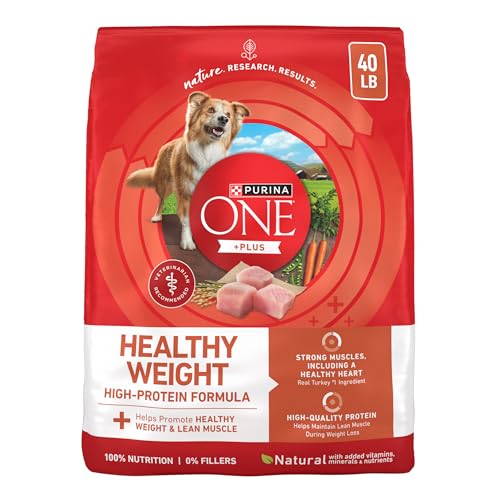
Best Dry Dog Food to Help My Dog Lose Weight
Your complete guide to choosing the right dry dog food for safe, effective weight loss — plus portion control strategies, exercise tips, and expert recommendations.
If your dog is carrying extra weight, you are not alone. Over half of all pet dogs are overweight or obese, and this extra weight puts them at risk for arthritis, diabetes, heart disease, and a shortened lifespan. The good news is that weight loss is achievable with the right approach — and choosing the best dry dog food to help your dog lose weight is the most important first step.
This guide will walk you through everything you need to know: how to assess your dog's current condition, what ingredients and nutritional profiles to look for in a weight management kibble, how much to feed, and how to support their journey with exercise and lifestyle changes. By the end, you will have a clear plan to help your dog reach a healthy weight and live a longer, more comfortable life.
Why Healthy Weight Matters for Your Dog
Maintaining a healthy weight is not about appearance — it is about health and longevity. Studies consistently show that dogs kept at an ideal body weight live significantly longer than overweight dogs, and they enjoy a better quality of life in their senior years.
Excess weight affects nearly every system in your dog's body:
- Joints and mobility: Every extra pound puts additional stress on joints, accelerating arthritis and making movement painful. Even modest weight loss can dramatically improve mobility in dogs with joint issues.
- Heart and lungs: Extra weight forces the heart to work harder and can contribute to heart disease and breathing difficulties, especially in flat-faced breeds.
- Metabolism: Obesity is a major risk factor for diabetes and other metabolic disorders.
- Immune function: Overweight dogs have weakened immune responses and are more prone to infections.
- Surgical and anesthesia risk: Overweight dogs face higher risks during surgery and recovery.
- Lifespan: Multiple studies have linked obesity to a shorter lifespan, with some estimating that lean-fed dogs live up to 2 years longer.
Key Insight: A dog is considered overweight if they are 10-20% above their ideal body weight, and obese if they are more than 20% above. Even 5 extra pounds on a medium-sized dog is equivalent to a human carrying around 30-40 extra pounds.
Signs Your Dog Is Overweight
Many owners do not realize their dog is overweight because they see them every day. Here is how to assess your dog's body condition objectively:
Body Condition Score (BCS)
Veterinarians use a 9-point Body Condition Score system. Here is a simplified version you can use at home:
- Ribs: You should be able to feel your dog's ribs easily with light pressure. If you cannot feel them at all, your dog is overweight. If you can see them clearly, your dog may be underweight.
- Waist: Looking from above, there should be a visible indentation behind the rib cage. If the back looks flat or rounded, your dog is overweight.
- Belly tuck: From the side, the belly should tuck up toward the hind legs. A flat or sagging belly indicates excess weight.
- Tail base: You should feel a slight bony prominence at the base of the tail. If it feels smooth or padded, your dog is carrying extra fat.
Other Warning Signs
- Difficulty breathing during mild exercise
- Reluctance to go for walks or play
- Excessive panting even in cool weather
- Slow movement or stiffness after resting
- Visible fat deposits over the hips and shoulders
- Your vet has mentioned your dog's weight at a recent visit
If you notice any of these signs, a veterinary checkup is recommended before starting any weight loss program, especially if your dog has other health conditions.
What to Look for in Weight Loss Dry Dog Food
Not all "light" or "healthy weight" dog foods are created equal. Some rely on fillers and reduced fat without addressing satiety or nutritional balance. Here is what to prioritize when choosing the best dry dog food to help your dog lose weight:
Key Nutritional Criteria
- Protein as the first ingredient: High-quality animal protein (chicken, turkey, salmon, etc.) should be the first ingredient. Protein helps maintain muscle mass during weight loss and promotes satiety. Look for named meats, not generic "meat meal" or "poultry by-product."
- Moderate fat content: Weight loss foods typically contain 10-15% fat (on a dry matter basis). This provides enough essential fatty acids for healthy skin and coat without excess calories.
- High fiber content: Fiber (8-15%) helps your dog feel full without adding many calories. Good sources include beet pulp, pumpkin, psyllium husk, and whole grains like brown rice or oatmeal.
- Controlled calorie density: Look for foods that provide around 250-350 calories per cup. This allows you to feed a satisfying portion without exceeding your dog's calorie needs.
- Added L-carnitine: This amino acid helps the body convert fat into energy and is often included in weight management formulas to support healthy metabolism.
- Complete and balanced nutrition: The food must meet AAFCO standards for your dog's life stage. Weight loss should never come at the cost of essential nutrients.
- No artificial fillers: Avoid foods loaded with corn, wheat, soy, or artificial preservatives. These add calories without nutritional value.
Pro Tip: Check the guaranteed analysis and calorie content on the label. The "metabolizable energy" (ME) in kcal/kg or kcal/cup is the most important number for weight management. Compare this across brands to find a food that lets you feed a reasonable portion without exceeding your dog's daily calorie target.
Top Dry Dog Food Options for Weight Loss
Based on nutritional profiles, ingredient quality, and veterinary recommendations, here are some of the best types of dry dog food for weight loss. We have organized them by tier so you can choose based on your priorities and budget.
High-Protein Weight Management Formula
These formulas lead with real animal protein and contain moderate fat with added L-carnitine. They are ideal for active dogs who need to lose weight while maintaining muscle mass.
Premium TierHigh-Fiber Satiety Formula
These foods prioritize fiber content to help your dog feel full. They often contain a blend of soluble and insoluble fibers. Best for dogs who act hungry all the time.
Mid-Range TierLimited Ingredient Weight Control
These formulas use fewer ingredients and novel proteins, making them suitable for dogs with food sensitivities. They still deliver balanced nutrition for weight loss.
Premium TierSenior Weight Management Formula
Designed for older dogs, these foods combine weight control with joint support (glucosamine, chondroitin) and easily digestible ingredients for aging digestive systems.
Mid-Range TierSmall Breed Weight Loss Formula
Small kibble size for small mouths, with higher protein density to meet the faster metabolism of small breeds. Portion control is easier with small kibble.
Mid-Range TierLarge Breed Weight Management
Formulated for large dogs with joint-supporting nutrients and larger kibble. These foods address the specific needs of big dogs prone to obesity and joint issues.
Premium TierFor specific breed-related weight concerns, you may also want to explore our guides on best dog food for German Shepherds and best dog food for French Bulldogs, as these breeds have unique dietary needs.
Comparison of Weight Loss Food Types
This table summarizes the key characteristics of different weight loss food categories to help you make an informed decision:
| Food Type | Protein Level | Fat Level | Fiber Level | Best For |
|---|---|---|---|---|
| High-Protein Weight Management | High (28-32%) | Moderate (10-12%) | Moderate (8-10%) | Active dogs, muscle preservation |
| High-Fiber Satiety | Moderate (22-26%) | Low (8-10%) | High (12-15%) | Constant hunger, begging |
| Limited Ingredient Weight Control | Moderate-High (24-28%) | Moderate (10-12%) | Moderate (8-10%) | Food sensitivities, allergies |
| Senior Weight Management | Moderate (22-26%) | Low-Moderate (8-11%) | Moderate-High (10-12%) | Older dogs, joint support |
| Small Breed Weight Loss | High (28-32%) | Moderate (10-12%) | Moderate (8-10%) | Small dogs, fast metabolism |
| Large Breed Weight Management | Moderate-High (24-28%) | Low-Moderate (9-11%) | Moderate (8-10%) | Large dogs, joint health |
Portion Control & Feeding Guide
Even the best weight loss food will not work if you feed too much of it. Portion control is the single most important factor in successful weight loss. Here is how to get it right:
Step-by-Step Feeding Plan
- Determine your dog's target weight: Ask your veterinarian what your dog's ideal weight should be. This is not the same as their current weight. All feeding calculations should be based on the target weight.
- Calculate daily calories: A general guideline for weight loss is to feed your dog 60-70% of the calories needed for their target weight. Your vet can provide a specific number based on your dog's age, activity level, and health status.
- Measure accurately: Use a kitchen scale or a proper measuring cup. Eyeballing portions is one of the most common causes of overfeeding. A slight overestimate at every meal adds up quickly.
- Divide into meals: Feed at least two meals per day. This helps prevent hunger and stabilizes energy levels. Some dogs do better with three smaller meals.
- Account for treats: Treats should make up no more than 10% of your dog's daily calories. If you give treats, reduce the meal portion accordingly. Use low-calorie treats like small pieces of carrot, green beans, or ice cubes.
- Monitor progress: Weigh your dog weekly on the same scale. A safe weight loss rate is 1-2% of body weight per week. If your dog is losing too fast, increase portions slightly. If not losing at all, reduce portions or increase exercise.
- Adjust as needed: As your dog loses weight, their calorie needs decrease. Recalculate portions every 4-6 weeks to keep progress steady.
Important: Never starve your dog or drastically reduce food without veterinary supervision. Rapid weight loss can cause serious health problems, including liver issues and nutrient deficiencies. Slow and steady is the safe and sustainable approach.
If your dog is a senior with dental issues, you may need to consider best dog food for older small dogs with few teeth to ensure they can comfortably eat their weight management diet.
Exercise & Lifestyle Changes for Weight Loss
Diet is the primary driver of weight loss, but exercise is essential for maintaining muscle mass, boosting metabolism, and improving overall health. Here is how to safely increase your dog's activity:
Building an Exercise Plan
- Start slowly: Overweight dogs may have joint pain or breathing difficulties. Begin with short, gentle walks (10-15 minutes) and gradually increase duration and intensity over several weeks.
- Low-impact activities: Swimming is excellent for overweight dogs because it is easy on the joints. Walking on soft surfaces like grass or trails is also gentler than pavement.
- Multiple short sessions: Two or three shorter walks per day are often better than one long walk for overweight dogs. This also helps with boredom and mental stimulation.
- Mental stimulation: Puzzle toys, snuffle mats, and training sessions burn calories and tire dogs out mentally. A puzzle feeder can slow down eating and provide enrichment at the same time.
- Gradual increases: As your dog loses weight and gains fitness, you can increase the intensity. Add hills, faster walking, or gentle jogging if your vet approves.
- Watch for signs of discomfort: Heavy panting, lagging behind, limping, or reluctance to move are signs to slow down or stop. Never push an overweight dog too hard.
Lifestyle Habits That Support Weight Loss
- Feed at scheduled times: Free-feeding makes it impossible to control portions. Pick up food after 15-20 minutes if not eaten.
- Reduce table scraps: Human food is often high in calories and fat. If you must share, choose plain vegetables like green beans or carrots.
- Use food-dispensing toys: Instead of a bowl, use a puzzle toy or slow feeder to make mealtime last longer and provide mental stimulation.
- Regular weigh-ins: A baby scale for small dogs or a trip to the vet for larger dogs helps track progress objectively.
- Involve the whole family: Everyone in the household must follow the same rules. One person sneaking extra treats can undo all your hard work.
Common Weight Loss Mistakes to Avoid
Many well-intentioned owners make mistakes that sabotage their dog's weight loss efforts. Here are the most common pitfalls and how to avoid them:
- Feeding by volume, not weight: Measuring cups can vary significantly. A kitchen scale is more accurate and should be your primary tool.
- Forgetting treats and table scraps: Those little extras can add hundreds of calories per day. Track everything your dog eats.
- Reducing food too drastically: Starving your dog is dangerous and can cause nutrient deficiencies. Feed a balanced diet in appropriate portions.
- Choosing a food based on price alone: The cheapest "light" food may be full of fillers that do not satisfy your dog. Look for quality protein and fiber.
- Not consulting a vet: Some medical conditions, like hypothyroidism, can cause weight gain and require treatment before diet changes will work.
- Expecting rapid results: Healthy weight loss takes time. Consistency over months is what matters.
- Giving up too soon: Many owners do not see visible changes in the first few weeks and abandon the plan. Stay the course — the results are worth it.
- Ignoring exercise: Diet alone can work, but adding exercise preserves muscle and improves overall health. Find activities your dog enjoys.
Frequently Asked Questions
Your Dog's Weight Loss Journey Starts Today
Helping your dog lose weight is one of the most loving things you can do. It requires commitment, consistency, and patience — but the rewards are enormous. A leaner dog is a happier dog with more energy, less pain, and more years of companionship. Start by choosing the right best dry dog food to help your dog lose weight, measure portions accurately, and gradually increase exercise. Your veterinarian is your best partner throughout this process. Remember: every small step counts, and even modest weight loss can dramatically improve your dog's quality of life.