Best Dog Food for German Shepherds
Your complete guide to choosing the optimal nutrition for your German Shepherd — from puppyhood to senior years. Learn about protein, joint support, and how to avoid common dietary pitfalls.
German Shepherds are one of the most intelligent, loyal, and versatile breeds in the world. But their athletic build, high energy, and genetic predisposition to certain health conditions mean they require a carefully tailored diet. Choosing the right dog food isn’t just about filling a bowl — it’s about supporting their joints, digestion, and overall vitality for a long, active life.
This guide will walk you through everything you need to know about nutrition for German Shepherds, including specific ingredient recommendations, feeding schedules, and the best food options for every life stage. By the end, you'll be confident in selecting a food that meets your dog's unique needs.
Nutritional Needs of German Shepherds
German Shepherds are a large, active breed with a muscular build. Their diet must support:
- High-quality protein (25–30% on a dry matter basis) for muscle maintenance and repair.
- Healthy fats (15–20%) for energy and a shiny coat — look for omega-3 and omega-6 fatty acids.
- Glucosamine and chondroitin to support hip and joint health, as they are prone to canine hip dysplasia.
- Controlled calcium and phosphorus levels (especially in large-breed puppy foods) to prevent skeletal issues.
- Easily digestible carbohydrates like sweet potatoes, brown rice, or oats for sustained energy.
🔑 Key Takeaway: The best food for your German Shepherd is one that lists a named animal protein (chicken, beef, salmon, lamb) as the first ingredient and avoids artificial preservatives, colors, and excessive fillers like corn or soy.
Top Ingredients for German Shepherd Health
🥩 Animal Protein
Chicken, beef, turkey, salmon, or lamb are excellent. Real meat (not by-products) provides essential amino acids.
🐟 Omega-3 & -6
Fish oil, flaxseed, and chicken fat promote healthy skin, reduce inflammation, and support brain function.
🍚 Whole Grains / Veggies
Brown rice, oatmeal, sweet potatoes, and peas provide fiber and steady energy without spiking blood sugar.
🦴 Joint Support
Look for added glucosamine, chondroitin, and MSM to protect hips and elbows — common problem areas.
Feeding Guide: How Much & How Often
Feeding your German Shepherd the right amount is just as important as feeding the right food. Overfeeding can lead to obesity, which exacerbates joint issues, while underfeeding robs them of energy and muscle mass.
- Puppies (8–12 weeks): 3–4 meals per day, about 2–3 cups total (split). Use large-breed puppy food.
- Adolescents (3–12 months): 3 meals gradually reducing to 2 meals, total 4–5 cups per day depending on activity.
- Adults (1–7 years): 2 meals per day, total 3–5 cups (adjust based on weight and exercise).
- Seniors (7+ years): 2 meals, often slightly reduced calories, with joint supplements.
💡 Pro Tip: Always measure your dog's food with a proper measuring cup, not a scoop. And remember, treats should make up no more than 10% of daily calories. Use our dog feeding schedule guide to plan meals.
Managing Health Issues with Diet
German Shepherds are predisposed to several conditions that can be influenced by diet:
- Hip & Elbow Dysplasia: Feed a food with controlled calcium and added joint supplements. Best dog food for large dogs with sensitive stomachs often contains these joint-supporting ingredients.
- Bloat (Gastric Dilatation-Volvulus): Feed smaller, more frequent meals and avoid exercise immediately after eating. Learn more about bloat in dogs and prevention.
- Food Allergies / Sensitivities: Many German Shepherds react to chicken or grains. If you notice itching or digestive upset, consider a best dog food for allergies and sensitive skin with limited ingredients.
Top 5 Recommended Dog Foods for German Shepherds
Based on ingredient quality, nutritional balance, and real-world reviews, these are our top picks for German Shepherds at various life stages. (Prices are approximate for a 30-lb bag.)
| Brand | Key Protein | Life Stage | Key Feature | Price (approx) |
|---|---|---|---|---|
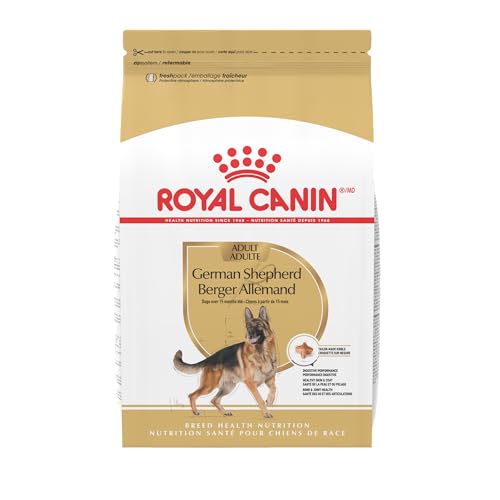
| Royal Canin German Shepherd Adult | Chicken | Adult | Breed-specific kibble shape, joint support | $85 |
| Hill's Science Diet Large Breed | Chicken Meal | Adult / Senior | High-quality protein, balanced minerals | $75 |
| Purina Pro Plan Sensitive Skin & Stomach | Salmon | All stages | Probiotics, omega-3, no corn/wheat | $70 |
| Orijen Large Breed Puppy | Chicken, Turkey, Fish | Puppy | Biologically appropriate, 38% protein | $100 |
| Farmina N&D Ancestral Grain | Lamb | Adult | Low glycemic, high omega-3, natural antioxidants | $90 |
For even more options, browse our complete best dog food guide or specific recommendations for dry dog food for German Shepherds with sensitive stomachs.
Frequently Asked Questions
🐕 Ready to choose the best food for your German Shepherd?
Remember, the best diet is one that works for your dog. Monitor their energy, coat condition, and stool quality. Adjust portions as needed. If you're still unsure, our complete dog food guide or a chat with your veterinarian can provide personalized advice.