Best Dry Dog Food for German Shepherd with Sensitive Stomach
Discover expert-recommended dry dog foods that soothe digestive issues, support gut health, and provide complete nutrition for your German Shepherd.
German Shepherds are one of the most beloved and intelligent breeds, but they are also notoriously prone to digestive sensitivities. If your German Shepherd suffers from loose stools, excessive gas, vomiting, or frequent stomach upset, the culprit is often their diet. Choosing the best dry dog food for German Shepherd with sensitive stomach is not just about avoiding tummy trouble—it is about ensuring your dog absorbs the nutrients they need for a long, active, and healthy life.
This guide will walk you through everything you need to know: what to look for in a sensitive-stomach formula, ingredients to avoid, top-rated products, and a step-by-step transition plan. By the end, you'll have the confidence to choose a food that keeps your German Shepherd thriving.
Why German Shepherds Are Prone to Digestive Issues
German Shepherds have a genetic predisposition to certain health conditions, including exocrine pancreatic insufficiency (EPI), inflammatory bowel disease (IBD), and food allergies. Their deep chests also make them susceptible to bloat (gastric dilatation-volvulus), which, while not directly a food sensitivity, can be exacerbated by poor diet choices. Additionally, many German Shepherds are picky eaters, and sudden changes in food can easily trigger gastrointestinal upset.
The breed's sensitive digestive system means that the best dog food for dogs with allergies and sensitive stomachs is often a perfect fit for them. Key factors include highly digestible proteins, limited ingredients, and the inclusion of prebiotics and probiotics to support a healthy gut microbiome.
What to Look For in a Sensitive-Stomach Dry Food
Not all "sensitive stomach" formulas are created equal. Here is a checklist of what the best options should include:
- Single, High-Quality Animal Protein: Choose a food with one primary protein source (e.g., salmon, lamb, or turkey). This makes it easier to identify and avoid allergens.
- Easily Digestible Carbohydrates: Look for oatmeal, pearled barley, or sweet potatoes instead of corn, wheat, or soy, which are common triggers.
- Probiotics and Prebiotics: These support a balanced gut flora, aiding digestion and reducing inflammation.
- Limited Ingredient List (LIL): Fewer ingredients mean fewer potential triggers for allergies or sensitivities.
- Balanced Omega-3 and Omega-6 Fatty Acids: These help reduce inflammation throughout the body, including the digestive tract.
- No Artificial Additives: Avoid foods with artificial colors, flavors, or preservatives, which can irritate a sensitive stomach.
Veterinarian Insight: Many vets recommend starting with a limited-ingredient diet or a hydrolyzed protein diet if your German Shepherd has severe food allergies. Always consult your vet before making a significant dietary change, especially if your dog has persistent digestive issues.
Top 5 Dry Dog Foods for German Shepherds with Sensitive Stomachs
Based on ingredient quality, digestibility, and customer reviews, here are the top 5 dry foods that consistently deliver results for German Shepherds with sensitive stomachs. Prices reflect average market rates for large bags (approx. 24-30 lbs).
| Product | Primary Protein | Key Carbs | Key Benefit | Price (approx.) |
|---|---|---|---|---|
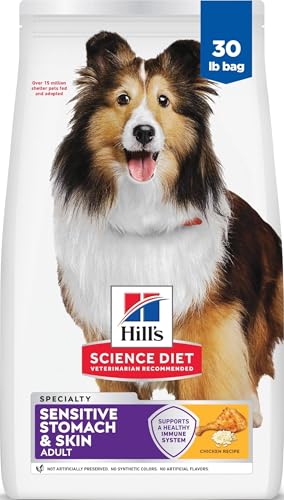
| Hill's Science Diet Adult Sensitive Stomach & Skin | Chicken | Rice, Barley | Prebiotic fiber & vitamin E | $80 |
| Purina Pro Plan Sensitive Skin & Stomach | Salmon | Rice, Oatmeal | Omega-3 fatty acids | $75 |
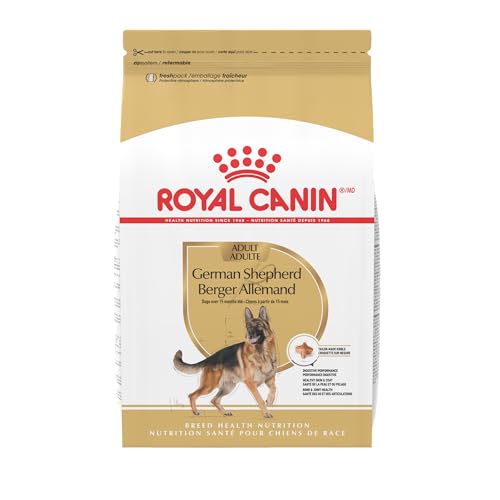
| Royal Canin German Shepherd Adult | Chicken | Rice, Corn | Breed-specific kibble shape | $85 |
| Natural Balance Limited Ingredient Diets | Lamb | Brown Rice | Single protein source | $70 |
| Blue Buffalo Basics Skin & Stomach Care | Turkey | Potato, Peas | Pumpkin & probiotics | $78 |
Each of these products is formulated with digestible ingredients and is free from common irritants. For more specialized options, such as best dog food for large breed puppy with sensitive stomach, you may need to adjust based on your dog's life stage.
How to Transition Your German Shepherd to a New Food
A sudden switch in diet is one of the most common causes of digestive upset. Follow this 7-day transition plan to give your dog's stomach time to adjust:
- Days 1–2: 75% old food, 25% new food.
- Days 3–4: 50% old food, 50% new food.
- Days 5–6: 25% old food, 75% new food.
- Day 7: 100% new food.
Watch for any signs of intolerance, such as loose stool or excessive gas. If these occur, slow down the transition by spending an extra day at each ratio. Also, ensure your dog has access to fresh, clean water at all times, as proper hydration aids digestion.
Pro Tip: Add a probiotic supplement or a spoonful of plain canned pumpkin (not pie filling) to your dog's meal during the transition. Both can soothe the stomach and firm up stools. These are often found in best dog supplements guides as digestive aids.
How Much to Feed Your German Shepherd
Portion control is critical. A German Shepherd's ideal weight range is 70–90 lbs for males and 60–80 lbs for females. Based on that, a high-quality dry food will recommend:
- Adult (70-90 lbs): 3.5–4.5 cups per day, split into two meals.
- Puppies (under 12 months): Follow the puppy-specific guide on the bag, feeding 3-4 times daily. See our guide on best puppy food for more details.
- Senior (7+ years): Reduce to 3–3.5 cups daily and switch to a senior dog diet if needed.
Always adjust based on your dog's activity level and body condition. You should be able to feel (but not see) the ribs, and there should be a visible waist when viewed from above. Overfeeding can lead to obesity, which exacerbates joint and digestive problems.
Ingredients to Avoid for Sensitive Stomachs
Many commercial dog foods contain fillers and additives that can wreak havoc on a sensitive system. Here's a list of ingredients to steer clear of:
- Corn, Wheat, and Soy: These are common allergens and difficult for many dogs to digest.
- Artificial Colors and Preservatives (BHA, BHT, Ethoxyquin): These can cause irritation and have been linked to long-term health issues.
- Meat By-Products: Vague "meat meal" or "animal digest" often contains low-quality, hard-to-digest parts.
- Excessive Fat: High-fat content can trigger pancreatitis and digestive distress in sensitive dogs.
- Dairy and Certain Grains: While not all dogs are sensitive to dairy or grains, they are among the top triggers for food allergies.
Reading ingredient labels carefully is a must. If you're ever in doubt, consult our complete dog food guide for a deeper dive into nutritional labels.
Beyond Food: Other Factors Affecting Digestion
Sometimes, the food itself isn't the only issue. Stress, parasites, and even the way you feed your dog can impact digestion. Consider these additional tips:
Feeding Environment
Feed your German Shepherd in a quiet, calm space away from high traffic. Stress can cause stomach upset, so make mealtimes peaceful.
Hydration
Ensure your dog drinks enough water, especially when eating dry kibble. Dehydration can worsen constipation and urinary issues. See how much water dogs need for guidelines.
Exercise Timing
Avoid strenuous exercise immediately before or after meals. German Shepherds are deep-chested and at risk for bloat, so wait at least one hour after eating before intense activity.
Regular Vet Check-Ups
Routine veterinary care is crucial. Conditions like EPI or IBD require specific treatments. Discuss your dog's digestive health during annual wellness exams.
Frequently Asked Questions
Ready to Make the Switch?
Choosing the best dry dog food for your German Shepherd with a sensitive stomach is a step toward a healthier, happier life for your dog. The foods we've recommended here are trusted by veterinarians and fellow German Shepherd owners alike. Remember, every dog is unique, so monitor your dog's response and consult with your vet if issues persist. Your dedication to their digestive health is a profound act of love.