Best Dog Food for French Bulldogs
Complete nutrition guide for French Bulldogs — from allergies to weight management. Discover the best food options and feeding strategies to keep your Frenchie healthy and happy.
French Bulldogs are one of the most beloved dog breeds worldwide, known for their playful personalities, affectionate nature, and distinctive bat-like ears. However, these charming companions come with specific dietary needs that require careful attention. Frenchies are prone to food allergies, sensitive stomachs, and weight gain, making choosing the best dog food for French Bulldogs a crucial decision for their long-term health and happiness.
In this comprehensive guide, we'll walk you through everything you need to know about French Bulldog nutrition. Whether you're dealing with a puppy with a sensitive stomach or an adult Frenchie with skin allergies, you'll find practical advice and top-rated food recommendations to help your furry friend thrive.
Understanding French Bulldog Nutrition
French Bulldogs have unique nutritional requirements shaped by their brachycephalic (flat-faced) structure, muscular build, and genetic predispositions. Unlike some other breeds, Frenchies don't require a specialized diet per se, but they do benefit from high-quality ingredients that support their specific health challenges.
Key Nutritional Needs
- High-quality protein: Essential for maintaining muscle mass and overall health. Look for named animal proteins like chicken, salmon, lamb, or turkey as the first ingredient.
- Healthy fats: Omega-3 and omega-6 fatty acids from fish oil or flaxseed support skin health, reduce inflammation, and promote a shiny coat — particularly important for allergy-prone Frenchies.
- Digestible carbohydrates: Sweet potatoes, brown rice, and oats provide energy without upsetting sensitive stomachs. Avoid excessive corn, wheat, or soy fillers.
- Joint support: Glucosamine and chondroitin help maintain joint health, especially important as Frenchies are prone to hip dysplasia and spinal issues.
Brachycephalic Considerations
French Bulldogs have flat faces that make eating and breathing more challenging. Consider these factors when choosing food:
- Kibble size: Choose smaller kibble pieces that are easier for your Frenchie to pick up and chew.
- Slow feeding: Frenchies tend to gulp food, which can lead to bloating or choking. Use a slow-feeder bowl to encourage slower eating.
- Elevated bowls: While controversial, some owners find that elevated bowls help reduce neck strain during eating.
- Digestive ease: Opt for easily digestible formulas to minimize gas — a common issue with Frenchies.
Food Allergies & Sensitivities
French Bulldogs are notoriously prone to food allergies and sensitivities. According to veterinary studies, Frenchies are among the top breeds with food-related skin issues. Understanding the signs and triggers can help you choose the best dog food for French Bulldogs with skin allergies and other sensitivities.
Common Signs of Food Allergies in French Bulldogs:
• Chronic itching, scratching, or licking paws
• Red, inflamed skin or hot spots
• Chronic ear infections (yeast or bacterial)
• Digestive issues: diarrhea, vomiting, or excessive gas
• Hair loss or dull coat
• Head shaking or rubbing face on furniture
If you notice any of these signs, a dietary change may be necessary. Always consult your veterinarian before making significant changes.
Common Allergens for Frenchies
- Chicken: One of the most common food allergens for French Bulldogs. Many Frenchies do better on novel proteins like salmon, duck, or lamb.
- Beef: Another frequent trigger. If you suspect beef allergies, try switching to a different protein source for several weeks to observe improvement.
- Dairy: Lactose intolerance is common in dogs. Avoid milk, cheese, and other dairy products in their food or treats.
- Wheat and Corn: These grains are common fillers in lower-quality foods and can trigger sensitivities. Consider grain-free or limited-ingredient options.
- Soy: Often used as a protein extender, soy can cause allergic reactions in sensitive dogs.
If your Frenchie shows signs of allergies, consider switching to a limited ingredient dog food or a hypoallergenic formula. The elimination diet — feeding a single protein and carbohydrate source for 8-12 weeks — is the gold standard for identifying food triggers.
What to Look For in Dog Food for French Bulldogs
When shopping for the best dog food for French Bulldogs, knowing how to read the label is essential. Here's what to prioritize:
Ingredients to Seek
- Named protein source: "Chicken," "Salmon," "Lamb," or "Duck" as the first ingredient, not "meat meal" or "by-product."
- Whole grains or grain-free alternatives: Brown rice, barley, oats, or sweet potatoes and peas for grain-free options.
- Fruits and vegetables: Blueberries, carrots, and spinach provide essential vitamins and antioxidants.
- Omega fatty acids: Fish oil, flaxseed, or krill oil for skin and coat health.
- Probiotics and prebiotics: Support digestive health and reduce gas.
- Glucosamine and chondroitin: Support joint health.
Ingredients to Avoid
- Artificial preservatives: BHA, BHT, ethoxyquin, and propyl gallate.
- Artificial colors and flavors: Unnecessary and potentially harmful.
- Generic meat meals: "Poultry meal" or "meat meal" without a named source.
- Corn syrup or sugar: Adds empty calories and can contribute to weight gain.
- Excessive fillers: Corn, wheat, and soy in large quantities.
Pro Tip: When comparing foods, look for the Association of American Feed Control Officials (AAFCO) nutritional adequacy statement. This ensures the food is complete and balanced for your dog's life stage. Also, check the guaranteed analysis for minimum protein and fat percentages — aim for at least 25-30% protein and 12-18% fat for adult Frenchies.
Top Recommended Dog Food for French Bulldogs
Based on nutritional quality, ingredient sourcing, and customer feedback, here are some of the best options for French Bulldogs. Remember that each dog is unique — what works for one Frenchie may not work for another.
| Brand & Formula | Key Protein | Best For | Price Range |
|---|---|---|---|
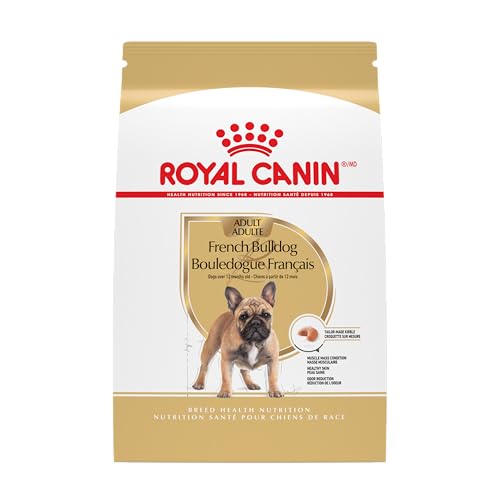
| Royal Canin French Bulldog | Chicken Meal | Breed-specific formula, digestive support, kibble shape for brachycephalic dogs | $70–$90 |
| Hill's Science Diet Sensitive Stomach & Skin | Chicken | Allergy-prone Frenchies, digestive issues, skin sensitivity | $55–$75 |
| Purina Pro Plan Sensitive Skin & Stomach | Salmon | Food allergies, sensitive skin, omega-rich formula | $50–$65 |
| Wellness CORE Grain-Free | Deboned Turkey | High-protein diet, grain-free, active Frenchies | $60–$80 |
| Blue Buffalo Wilderness Grain-Free | Chicken | High-protein, grain-free, ideal for weight management | $55–$75 |
| Natural Balance Limited Ingredient Diet | Lamb or Salmon | Allergy-prone Frenchies, limited ingredient for elimination diets | $50–$70 |
For puppies, choose a formula specifically designed for small or medium breeds, like best dog food for French Bulldog puppy with sensitive stomach, which provides extra calories and nutrients for growth. Senior Frenchies benefit from joint-supporting formulas with glucosamine and lower calorie content to prevent weight gain.
Feeding Guidelines & Schedule
Establishing a consistent feeding routine is essential for your Frenchie's digestive health and behavior. Here's a general guide based on age and weight:
- Puppies (8-12 weeks): 3-4 meals per day. Serve about ¼ to ½ cup per meal, depending on the brand's feeding guide. Puppies need more frequent feeding to maintain stable blood sugar.
- Puppies (3-6 months): 3 meals per day. Increase portion size to ½ to ¾ cup per meal. Monitor weight and adjust accordingly.
- Adolescents (6-12 months): 2 meals per day. Transition to adult food around 12 months. Serve ¾ to 1 cup per meal, depending on activity level.
- Adults (1-7 years): 2 meals per day. Most adult Frenchies need 1 to 1.5 cups total per day, split into two meals. Adjust based on weight and activity.
- Seniors (7+ years): 2 meals per day. Reduce portion size if weight gain occurs. Consider switching to a senior formula with joint support.
Always provide fresh, clean water alongside meals. Hydration is especially important for French Bulldogs due to their flat faces, which make panting and breathing less efficient. Change water at least twice daily.
Transitioning to a New Food
When switching your Frenchie to a new food, always transition gradually over 7-10 days to avoid digestive upset:
- Days 1-3: 75% old food, 25% new food
- Days 4-6: 50% old food, 50% new food
- Days 7-9: 25% old food, 75% new food
- Day 10: 100% new food
Monitor your dog's stool consistency, energy levels, and skin condition throughout the transition. If you notice persistent diarrhea or vomiting, slow down the transition or consult your vet.
Weight Management for French Bulldogs
French Bulldogs are masters of weight gain. Their love of food combined with their low exercise needs (they can't handle strenuous activity due to their brachycephalic structure) makes them susceptible to obesity. An overweight Frenchie faces increased risks of joint problems, breathing difficulties, and reduced lifespan.
To maintain a healthy weight, consider these strategies:
- Measure portions: Use a measuring cup, not an estimate. Know exactly how many calories your dog needs daily based on their weight and activity level.
- Limit treats: Treats should make up no more than 10% of daily calorie intake. Choose low-calorie options like green beans or training treats.
- Use puzzle feeders: Slow down eating and provide mental stimulation. This is particularly beneficial for weight management.
- Regular weigh-ins: Weigh your Frenchie monthly. Adult males should weigh 20-28 lbs, females 16-24 lbs. Consult your vet for breed-appropriate weight targets.
- Choose a weight management formula: If your Frenchie is already overweight, consider a dog food designed for weight loss with fewer calories and more fiber.
Quick Check: You should be able to feel your Frenchie's ribs with light pressure. If you can't feel them at all, it's time to reduce portions. If they're highly visible, you may need to increase feeding.
Common Feeding Mistakes to Avoid
Even well-meaning owners make feeding mistakes that can harm their Frenchie's health. Here are the most common pitfalls:
- Free-feeding (leaving food out all day): Frenchies will eat whenever food is available, leading to overeating and weight gain. Stick to scheduled meals.
- Switching foods too quickly: A sudden change can cause digestive distress, including diarrhea and vomiting. Always transition slowly.
- Ignoring allergies: If your Frenchie shows allergy symptoms, don't assume they'll outgrow it. Address dietary triggers promptly to prevent chronic issues.
- Feeding human food: Many human foods are toxic to dogs (grapes, chocolate, onions, garlic, xylitol). Stick to dog-appropriate treats and food.
- Overlooking dental health: Dry kibble doesn't clean teeth as effectively as you might think. Consider dental chews or brushing to prevent dental disease.
- Not consulting your vet: A veterinarian should guide significant dietary changes, especially if your Frenchie has chronic health conditions.
Frequently Asked Questions
Ready to Choose the Best Food for Your Frenchie?
Remember, the best dog food for French Bulldogs is one that addresses your individual dog's needs. Consider their age, activity level, allergies, and overall health when making your choice.
We recommend starting with a high-quality limited-ingredient or sensitive-stomach formula and monitoring your dog's response over 4-6 weeks. Look for improvements in coat quality, energy levels, and digestive health.
Find the perfect food for your Frenchie below — our top recommended products are clinically formulated and customer-approved.
The information provided here is for educational purposes only. Always consult your veterinarian before making significant changes to your dog's diet, especially if your dog has pre-existing health conditions or is on medication.