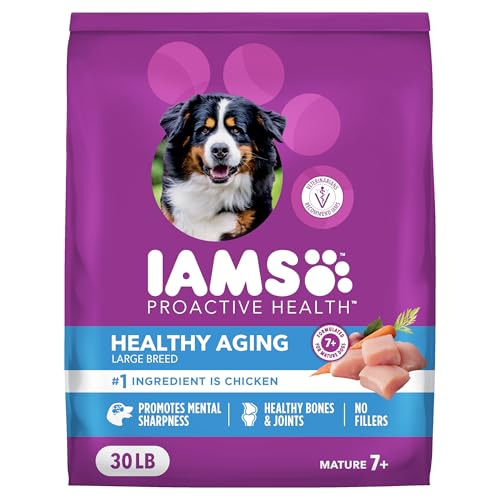
Best Dry Dog Food for Older Dogs with Bad Teeth
Your senior dog deserves comfortable meals that support their health without causing dental pain. Here is everything you need to know about choosing the right dry food for older dogs with dental issues.
As dogs age, their dental health often declines. Years of wear, tartar buildup, gum disease, and even tooth loss can make eating painful. If your older dog has bad teeth, you have likely noticed them struggling with hard kibble, dropping food, or avoiding meals altogether. This guide will help you understand the best dry dog food options for older dogs with bad teeth, so your senior companion can eat comfortably and stay properly nourished.
Finding the right food is not just about making mealtime easier. Proper nutrition supports your dog's immune system, joint health, cognitive function, and overall quality of life during their golden years. With the right approach, you can keep your senior dog healthy and comfortable while managing their dental challenges.
Why Dental Health Matters for Senior Dogs
Dental disease is one of the most common health problems in dogs, affecting over 80% of dogs over the age of three. By the time a dog reaches their senior years, dental issues often become more pronounced and can significantly impact their ability to eat, their comfort, and their overall health.
When your dog has bad teeth, the problem goes beyond just the mouth. Bacteria from infected gums can enter the bloodstream and affect the heart, liver, and kidneys. Chronic dental pain also causes stress, reduces appetite, and can lead to weight loss and malnutrition. This is why choosing the right food for a senior dog with dental issues is so important — it is not just about convenience, it is about their health and well-being.
Key Point: Bad teeth in older dogs are not just a cosmetic issue. Dental pain can cause dogs to stop eating, become irritable, and suffer from systemic health problems. Addressing their dietary needs is a critical part of senior dog care.
Challenges of Feeding Dry Food to Dogs with Bad Teeth
Dry dog food, or kibble, is the most popular choice for dog owners because it is convenient, cost-effective, and easy to store. However, traditional hard kibble can be extremely difficult for older dogs with dental problems to eat.
Common challenges include:
- Pain while chewing: Hard kibble requires significant chewing force, which can be painful for dogs with worn, loose, or missing teeth.
- Dropping food: Dogs with dental pain often drop kibble out of their mouths because they cannot chew comfortably on both sides.
- Avoiding meals: Some dogs will refuse to eat rather than endure the pain. This leads to weight loss and nutritional deficiencies.
- Gum irritation: Sharp kibble edges can irritate inflamed gums, making mealtime even more uncomfortable.
- Difficulty with large kibble: Large breed kibble can be especially challenging for small senior dogs or those with missing teeth.
Understanding these challenges is the first step toward finding a solution. Fortunately, there are dry food options specifically designed to be easier for senior dogs with dental issues to eat, as well as simple techniques you can use at home to make regular kibble more manageable.
What to Look for in Dry Food for Older Dogs with Bad Teeth
Not all dry dog foods are created equal. When shopping for a senior dog with dental problems, you need to evaluate both the nutritional profile and the physical characteristics of the kibble.
Nutritional Requirements
Senior dogs have different nutritional needs than younger dogs. Look for these key nutrients:
- High-quality protein: Easily digestible proteins like chicken, turkey, fish, or egg help maintain muscle mass, which is critical for aging dogs. Senior dogs need more protein than previously thought to prevent muscle wasting.
- Moderate fat: Fat provides energy and helps absorb fat-soluble vitamins. However, senior dogs are less active, so excessive fat can lead to weight gain. Look for moderate fat levels from healthy sources like chicken fat or fish oil.
- Omega-3 fatty acids: DHA and EPA support joint health, cognitive function, and reduce inflammation. Fish oil or flaxseed are common sources.
- Glucosamine and chondroitin: These joint-supporting supplements are often added to senior dog foods to help maintain mobility.
- Antioxidants: Vitamin E, vitamin C, and beta-carotene help combat oxidative stress and support the immune system.
- Fiber: Proper fiber levels support healthy digestion and prevent constipation, which is common in older dogs.
- Controlled phosphorus: For dogs with kidney issues, moderate phosphorus levels are important. Always consult your vet if your dog has kidney disease.
Kibble Characteristics
The physical properties of the kibble are just as important as the nutrients when your dog has bad teeth:
- Small kibble size: Smaller pieces are easier to pick up and chew. Look for kibble designed for small breeds or senior dogs.
- Soft texture: Some brands offer softer, more porous kibble that crumbles easily under pressure. These are often labeled as "soft" or "easy to chew."
- Round or flat shapes: Irregular or sharp-edged kibble can be painful. Round or flat shapes are gentler on gums.
- Low density: Airy, light kibble is easier to break down than dense, hard pellets.
Pro Tip: When evaluating kibble, press a piece between your fingers. If it crumbles easily, it is likely gentle enough for a senior dog with dental issues. If it is hard and unyielding, it may cause pain.
Types of Dry Food for Senior Dogs with Bad Teeth
There are several categories of dry dog food that work well for older dogs with dental problems. Understanding these options helps you make an informed choice.
Standard Senior Dry Food
These are widely available senior formulas that meet AAFCO standards for senior dogs. They typically have moderate protein, controlled fat, and added joint supplements. Kibble size is often smaller than adult formulas. While not specifically designed for dental issues, many senior formulas are softer than regular adult kibble.
Best for: Dogs with mild dental wear who can still chew regular kibble with some difficulty.
Soft Dry Food for Seniors
These formulas are specifically designed to be softer and easier to chew. They often have a higher moisture content (around 14-18%) and a porous texture that breaks down easily. Many include added omega-3s and joint support. This is the sweet spot for most senior dogs with bad teeth.
Best for: Dogs with moderate dental issues, missing teeth, or gum sensitivity.
Small Breed Senior Dry Food
Small breed senior formulas feature tiny kibble pieces that are easy for small mouths to manage. They are nutrient-dense to meet the higher metabolic needs of small dogs. Many are designed with dental health in mind and include softer textures.
Best for: Small senior dogs with dental problems, including Chihuahuas, Yorkies, and Shih Tzus.
Prescription Dental/Senior Diets
These are therapeutic diets prescribed by veterinarians for dogs with significant dental disease or specific health conditions. They may be formulated to dissolve easily in the mouth or provide complete nutrition for dogs who cannot chew at all. Some require a veterinary prescription.
Best for: Dogs with severe dental disease, recent extractions, or multiple health conditions requiring specialized nutrition.
Comparison of Dry Food Options
| Type | Kibble Texture | Best For | Key Benefits |
|---|---|---|---|
| Standard Senior Dry Food | Moderately hard, smaller pieces | Mild dental wear | Widely available, affordable, complete nutrition |
| Soft Dry Food for Seniors | Soft, porous, crumbles easily | Moderate dental issues | Easy to chew, higher moisture, joint support |
| Small Breed Senior Dry Food | Tiny, easy-to-manage pieces | Small senior dogs | Nutrient-dense, small kibble, dental-friendly |
| Prescription Dental/Senior Diets | Very soft or dissolves easily | Severe dental disease | Veterinarian-formulated, complete nutrition, therapeutic |
How to Choose the Right Dry Food for Your Senior Dog
With so many options available, choosing the right food can feel overwhelming. Follow this step-by-step approach to narrow down your choices.
- Assess your dog's dental condition: Is your dog missing teeth? Do they have gum disease? Are they in pain? A veterinary dental exam will give you a clear picture of what your dog can handle. If your dog has severe dental disease, your vet may recommend a specific type of food or a temporary soft diet.
- Determine your dog's size and breed: Small senior dogs need smaller kibble than large breeds. A small dog food designed for seniors is often ideal for small breeds with dental issues. Large breeds may do well with regular senior kibble if their teeth are in reasonable condition.
- Check the protein and fat content: Senior dogs need high-quality protein to maintain muscle mass but moderate fat to prevent weight gain. Look for protein content between 18-25% and fat between 8-15% for most senior dogs. Adjust based on your dog's activity level and body condition.
- Look for joint and cognitive support: Ingredients like glucosamine, chondroitin, omega-3s, and antioxidants are especially beneficial for aging dogs. These nutrients support mobility and brain health.
- Evaluate kibble texture and size: If possible, visit a pet store and feel the kibble. It should be small enough for your dog to pick up easily and soft enough to crumble with light pressure. Brands that offer "soft" or "easy chew" formulas are often the best choice for dogs with bad teeth.
- Consider your dog's other health conditions: If your dog has kidney disease, heart disease, diabetes, or allergies, you may need a specialized diet. Consult your veterinarian for guidance. For dogs with sensitive stomachs, look for dry food for senior dogs with sensitive stomachs.
- Read reviews and ask your vet: Online reviews from other senior dog owners can be helpful, but your veterinarian knows your dog's specific needs best. Ask for recommendations based on your dog's dental condition and overall health.
Important: If your dog has severe dental pain, missing many teeth, or is recovering from dental surgery, a dry food only diet may not be appropriate. In these cases, wet food or a combination of wet and softened dry food is often necessary. See our guide on soft dry dog food for dogs with bad teeth for more options.
Transitioning Your Dog to a New Food
Switching foods abruptly can cause digestive upset, especially in senior dogs. A gradual transition is essential to prevent diarrhea, vomiting, and food aversion.
Follow this 7-10 day transition schedule:
- Days 1-2: 75% old food, 25% new food
- Days 3-4: 50% old food, 50% new food
- Days 5-6: 25% old food, 75% new food
- Days 7-10: 100% new food
If your dog has a sensitive stomach, extend the transition period to 14 days. Watch for signs of digestive upset such as loose stools, gas, or vomiting. If these occur, slow down the transition and consult your veterinarian if symptoms persist.
Tip: Warm water or low-sodium broth can make the transition easier by softening both the old and new kibble. This is especially helpful if your dog is reluctant to try new food due to dental discomfort.
Softening Dry Kibble Safely
If you prefer to continue feeding your dog their current dry food or want to make dry kibble more manageable for a dog with bad teeth, softening the kibble is a simple and effective solution. Here is how to do it safely:
- Use warm water: Add warm (not hot) water to the kibble and let it sit for 5-10 minutes until it softens. Use approximately 1/4 cup of water per cup of kibble, adjusting as needed.
- Use low-sodium broth: Chicken, beef, or vegetable broth (without onions or garlic) adds flavor and moisture. Make sure the broth is low-sodium or unsalted to avoid health issues.
- Add wet food topper: Mixing a small amount of wet dog food with dry kibble can soften it while adding flavor. This is a great option for picky eaters. See our recommendations for wet food for senior dogs with sensitive stomachs.
- Avoid over-soaking: Do not leave softened kibble out for more than 30 minutes, as bacteria can grow quickly. Discard any uneaten portion.
- Do not microwave: Microwaving kibble can create hot spots that burn your dog's mouth and destroy nutrients. Stick to warm water or broth.
Caution: Softened kibble can contribute to plaque buildup if your dog does not receive regular dental care. If your dog has bad teeth but you still want to feed dry food, combine softening with regular dental hygiene and veterinary dental cleanings. Some dogs may also benefit from a professional dental cleaning to address underlying issues.
Complementary Dental Care for Senior Dogs
While the right food can make mealtime more comfortable, it does not treat the underlying dental disease. Senior dogs with bad teeth need ongoing dental care to prevent their condition from worsening.
Veterinary Dental Care
Regular veterinary dental checkups are essential for senior dogs. Your vet can:
- Assess the severity of dental disease
- Perform professional cleanings under anesthesia
- Extract loose or infected teeth that cause pain
- Prescribe antibiotics or pain medication if needed
- Recommend appropriate diets and home care routines
Many pet owners worry about anesthesia for older dogs, but modern veterinary anesthesia is very safe, and the risks of untreated dental disease often outweigh the risks of anesthesia. Discuss any concerns with your veterinarian, who can tailor the anesthesia protocol to your dog's health status.
Home Dental Care
Even if your dog has bad teeth, there are gentle ways to maintain oral hygiene at home:
- Use a soft toothbrush or finger brush: Be gentle around sensitive gums. Do not force brushing if your dog is in pain — consult your vet first.
- Use dog-specific toothpaste: Never use human toothpaste, which contains xylitol and fluoride that are toxic to dogs. Look for enzymatic toothpaste designed for dogs.
- Dental wipes: For dogs who cannot tolerate brushing, dental wipes can help remove plaque from the tooth surface.
- Dental chews and toys: Soft dental chews can help reduce plaque, but choose products that are gentle on aging teeth. Avoid hard chews that can fracture weak teeth. See our dental care guide for product recommendations.
- Water additives: Some products can be added to drinking water to help reduce bacteria and plaque. These are not a substitute for brushing but can be helpful for dogs with severe dental issues.
Remember: Dental disease is progressive. Once teeth are damaged, they cannot heal on their own. The best approach is a combination of veterinary care, appropriate diet, and gentle home maintenance to keep your senior dog as comfortable as possible.
Common Mistakes to Avoid
When caring for an older dog with bad teeth, well-meaning owners sometimes make mistakes that can harm their pet. Here are the most common ones to avoid:
- Ignoring dental pain: Dogs are stoic and often hide pain. If your dog is dropping food, eating slowly, or avoiding meals, do not assume it is just "old age." Dental pain is real and treatable.
- Feeding only wet food without veterinary guidance: While wet food is easier to eat, it can contribute to plaque buildup and may not provide the dental benefits of dry kibble. A combination diet or softened dry food is often better. See our guide on wet dog food for senior dogs to gain weight if your dog needs to gain weight.
- Using hard treats or chews: Hard bones, antlers, and ice cubes can fracture weak teeth and cause severe pain. Choose soft treats or dental chews designed for senior dogs.
- Overfeeding: Senior dogs are less active and need fewer calories. Overfeeding leads to obesity, which worsens joint problems and strains the heart. Measure food carefully and adjust based on your dog's body condition.
- Neglecting veterinary checkups: Annual wellness exams are essential for senior dogs. Your vet can catch dental problems early and recommend appropriate interventions before they become severe.
- Assuming all senior dog foods are the same: Quality varies widely. Look for brands that meet AAFCO standards, use high-quality ingredients, and offer kibble textures suitable for dogs with dental issues.
- Not providing fresh water: Senior dogs with dental pain may drink less, leading to dehydration. Ensure fresh water is always available and consider adding water to their food to increase moisture intake.
Additional Resource: If your older dog has few teeth remaining, you may need to explore more specialized options. See our guide on dog food for older small dogs with few teeth for targeted recommendations.
Frequently Asked Questions
Final Thoughts
Choosing the best dry dog food for older dogs with bad teeth is about balancing nutrition, comfort, and practicality. While dental issues can make mealtime challenging, the right food — combined with proper veterinary care and gentle home maintenance — can keep your senior dog eating comfortably and living well. Prioritize soft, small kibble or soften regular kibble with warm water or broth. Always consult your veterinarian before making major dietary changes, especially if your dog has other health conditions. With the right approach, your senior companion can continue to enjoy their meals and thrive in their golden years.