🐾 The Complete Guide to Dog Bowls
Stainless steel, ceramic, silicone, or elevated? Find the safest, most comfortable bowl for your dog’s health and happiness.
Choosing the right dog bowl may seem trivial, but it directly impacts your dog's digestion, hydration, and long-term health. With dozens of options available — from stainless steel to ceramic, silicone, plastic, and raised feeders — this guide helps you cut through the noise. Whether you have a teething puppy, a senior with arthritis, or a fast eater, you'll find the perfect bowl for your companion.
🥣 Dog Bowl Materials: Pros, Cons & Price Ranges
⚙️ Stainless Steel
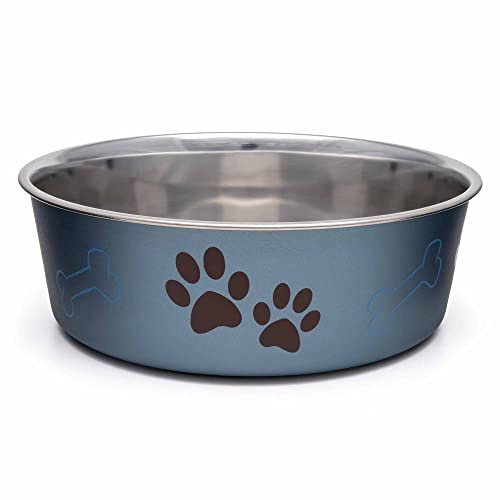
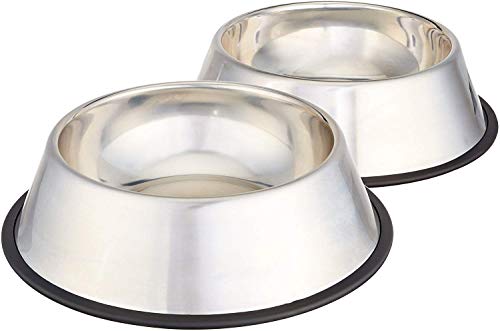
Veterinarians' top choice. Non-porous, durable, dishwasher-safe, and nearly indestructible. Does not harbor bacteria or cause chin acne. Ideal for all dogs, especially those with allergies.
$8 – $25🏺 Ceramic
Heavy, stable, and decorative. Ensure lead-free, food-grade glaze. Easy to clean and comes in many designs. Avoid bowls with cracked glaze (bacteria trap).
$10 – $35🧼 Silicone
Collapsible and perfect for travel. Lightweight, non-slip base, and dishwasher-safe. Not ideal for aggressive chewers. Great for camping or as a portable water bowl.
$6 – $20🚫 Plastic
Cheapest but least recommended. Scratches trap bacteria leading to canine acne. Some dogs develop allergic reactions. Only use temporarily.
$3 – $12| Material | Durability | Hygiene | Best For |
|---|---|---|---|
| Stainless Steel | ⭐⭐⭐⭐⭐ | ⭐⭐⭐⭐⭐ | Daily use, all breeds, veterinary recommended |
| Ceramic (lead-free) | ⭐⭐⭐⭐ | ⭐⭐⭐⭐ | Aesthetic homes, heavy chewers non-issue |
| Silicone | ⭐⭐⭐ | ⭐⭐⭐⭐ | Travel, camping, lightweight needs |
| Plastic | ⭐⭐ | ⭐ | Emergency use only |
📏 Size & Capacity: Match Bowl to Your Dog’s Breed
Using a bowl that's too small forces your dog to eat uncomfortably, while oversized bowls take up unnecessary space. Measure your dog's typical meal volume (dry kibble, wet food, or mixed) and follow this guideline:
- Toy Breeds (under 10 lbs): ½ – 1 cup capacity | 4–5 inch diameter → Ideal for Chihuahuas, Yorkies, Pomeranians.
- Small Breeds (10–25 lbs): 1 – 2 cups | 5–6 inch diameter → French Bulldog, Corgi, Shih Tzu.
- Medium Breeds (25–50 lbs): 2 – 4 cups | 6–8 inch diameter → Beagle, Border Collie, Australian Shepherd.
- Large Breeds (50–90 lbs): 4 – 6 cups | 8–10 inch diameter → Labrador, Golden Retriever, Boxer.
- Giant Breeds (90+ lbs): 8 – 12+ cups | 10–12 inch diameter → Great Dane, Mastiff, Saint Bernard.
For puppies, you can start with a small bowl and upgrade as they grow. Refer to our puppy feeding schedule for portion guidance.
⬆️ Elevated Dog Bowls: When to Use (and When to Avoid)
Elevated feeders raise the bowls to a comfortable height, reducing neck and back strain. They are especially helpful for:
- Senior dogs with arthritis or hip dysplasia (see dog arthritis management)
- Large & giant breeds (e.g., Great Danes, Irish Wolfhounds) that struggle to bend down
- Dogs with megaesophagus or orthopedic conditions
⚠️ Important warning: A recent study suggested that elevated bowls might increase the risk of bloat (GDV) in deep-chested breeds like German Shepherds, Great Danes, and Standard Poodles. Consult your veterinarian before switching. If you decide to use one, choose a stand that places the bowl at the dog's lower chest level (not higher).
Elevated stands: $20 – $60 | Adjustable heights: $30 – $80🐢 Specialty Dog Bowls: Slow Feeder, Travel & Anti-Gulping
Does your dog inhale food within seconds? Slow feeder bowls contain obstacles that force your dog to eat around them, reducing gulping, preventing vomiting, and lowering the risk of bloat. Great for greedy eaters.
Water bowls: Many dogs prefer fresh, circulating water. Consider a dog water fountain to encourage hydration. For outdoor adventures, collapsible silicone bowls or portable water bottles (with attached bowl) are lifesavers. Check our dog travel accessories for more ideas.
🧼 How to Keep Dog Bowls Safe & Bacteria-Free
Bacteria such as Salmonella and E. coli thrive in biofilm that forms on unwashed bowls. Follow this routine:
- Daily: Wash food bowls after every meal with hot, soapy water. Water bowls need daily washing too.
- Sanitize weekly: Use a dishwasher (high heat) or soak in a diluted bleach solution (1 tablespoon bleach per gallon of water) then rinse thoroughly.
- Replace scratched bowls: Ceramic with cracks or stainless steel with deep grooves can trap bacteria. Discard immediately.
- Separate bowls: Use different bowls for food and water to prevent cross-contamination.
Unclean bowls can contribute to digestive issues and dental disease. Learn more about dog dental care for overall oral hygiene.
🩺 Health Aspects: Chin Acne, Allergies & Safe Materials
Certain bowl materials cause "canine chin acne" — red bumps and pustules. Plastic is the usual culprit due to bacterial harboring. Switch to stainless steel or ceramic and clean the area with mild antiseptic wipes. If acne persists, consult a vet.
Additionally, avoid bowls with lead-based paint or unknown ceramic glazes. Always check for "lead-free, food-safe" labels. For dogs with food allergies, stainless steel is least reactive. Lastly, never use chipped or broken bowls — your dog might ingest small fragments.
For slow drinkers, a water bowl with a floating “splash guard” reduces mess and keeps floors dry, especially for long-eared breeds like spaniels and hounds.
❓ Frequently Asked Questions About Dog Bowls
🏆 Bottom line: Choose a high-quality stainless steel or lead-free ceramic bowl in the correct size. Wash it daily, match the capacity to your dog's breed, and consider a slow feeder if your dog gulps food. Your dog will thank you with better digestion, fewer skin problems, and a happier feeding routine.
👉 Still preparing for your new family member? Browse our puppy supplies checklist and dog food storage containers to keep kibble fresh.