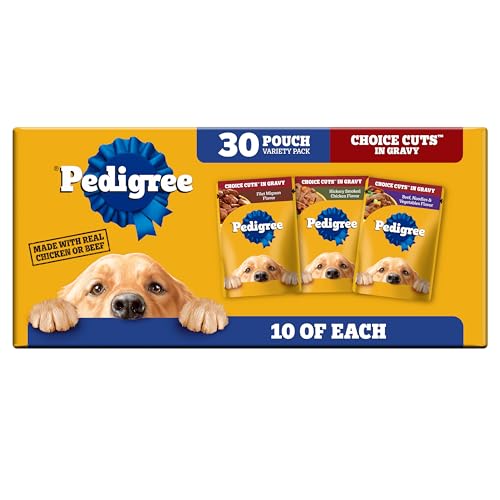
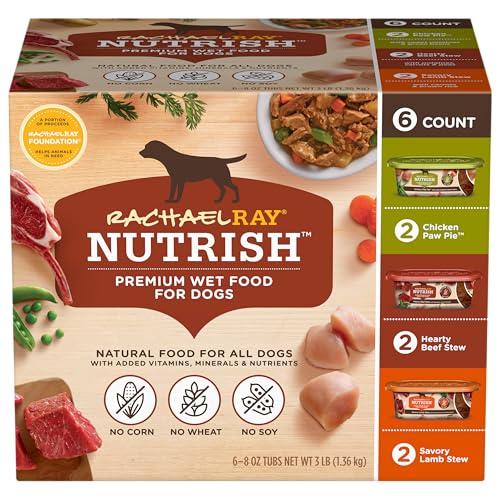
Best Wet Dog Food: The Complete Buyer's Guide
Everything you need to know about choosing the best canned dog food — from decoding ingredient labels and understanding textures to matching the right formula with your dog's life stage and health needs.
Wet dog food has moved far beyond the generic canned loaf of decades past. Today's market offers pâtés, stews, shredded meats in gravy, grain-free formulas, limited-ingredient recipes, and veterinary diets designed for specific health conditions. The sheer variety can feel overwhelming — especially when every label claims to be the best.
This guide cuts through the marketing noise. Whether you are switching from dry kibble, supplementing your dog's meals with a wet topper, or caring for a senior dog who needs softer food, you will learn exactly what to look for, what to avoid, and how to match the right wet food to your dog's needs. By the end, you will be able to evaluate any can on the shelf with confidence.
Why Wet Dog Food Matters
Wet food is not simply a luxury or a treat — for many dogs it is a functional choice that supports hydration, palatability, and specific health needs. Understanding its advantages and trade-offs helps you decide where it fits in your feeding strategy.
Key Advantages of Wet Dog Food:
• Higher moisture content (typically 75-85%) supports hydration, which is especially valuable for dogs who drink little water or have urinary and kidney concerns.
• Highly palatable — the aroma and texture appeal to picky eaters and dogs with reduced appetite due to illness or aging.
• Easier to chew — ideal for senior dogs, puppies, and dogs with dental issues, missing teeth, or jaw problems.
• More concentrated protein and fat on a dry-matter basis, which can be beneficial for active or underweight dogs.
• Easier medication hiding — pills can be mixed into wet food more easily than kibble.
That said, wet food is not automatically superior. It is generally more expensive per calorie, has lower calorie density (meaning larger portions), and provides less mechanical abrasion for teeth than kibble. Many owners find the best approach is a hybrid: a quality dry dog food as the base diet, with wet food used as a topper, mixer, or occasional meal. If you are comparing formats in detail, our wet dog food overview and dry dog food guide break down the trade-offs further.
Wet vs Dry Dog Food: Which Is Right for Your Dog?
The wet versus dry debate has no universal winner. The right choice depends on your dog's age, health, dental condition, appetite, and your budget and lifestyle. Here is a side-by-side comparison to help you decide.
| Factor | Wet Dog Food | Dry Dog Food |
|---|---|---|
| Moisture Content | 75–85% moisture; supports hydration | 10–12% moisture; requires adequate water intake |
| Palatability | High — strong aroma and soft texture | Moderate — less aromatic, crunchier |
| Dental Benefits | Minimal mechanical cleaning | Some abrasion helps reduce plaque |
| Calorie Density | Low per volume; larger portions needed | High per volume; smaller portions |
| Cost Efficiency | Higher cost per calorie | Lower cost per calorie |
| Convenience | Requires refrigeration after opening | Shelf-stable and easy to portion |
| Best For | Picky eaters, seniors, dental issues, hydration needs | Budget feeding, dental health, active dogs, multi-dog homes |
A practical middle ground is to feed a complete dry food as the primary diet and add a spoonful of wet food as a topper. This improves palatability, adds moisture, and gives you flexibility without the full cost of a wet-only diet. If you are feeding a puppy, our guide to the best wet dog food to mix with dry for puppies covers safe ratios and product types.
Textures and Formulas: Finding Your Dog's Preference
Wet dog food comes in several distinct textures, each with different appeal and practical considerations. Understanding these categories helps you narrow your search quickly.
Pâté
A smooth, dense loaf that can be sliced or mashed. Highly palatable and easy to mix with medication. Great for senior dogs and dogs with dental issues. Often the most calorie-dense wet format.
Mid-range to premiumStew
Chunks of meat and vegetables in a savory broth or gravy. Visually appealing and aromatic, making it excellent for picky eaters. Gravy adds moisture but can add calories and sodium — check labels.
Mid-rangeShredded / Flaked
Shredded meat in broth or jelly. Lower calorie density and very palatable. Excellent as a topper or for dogs who need to gain weight. Often available in single-protein recipes for elimination diets.
Mid-range to premiumMousse / Loaf
Ultra-smooth, airy texture designed for very young puppies, senior dogs, and dogs recovering from illness or dental surgery. Easy to lick and digest. Often sold in small trays.
PremiumLimited-Ingredient
Formulas with a single novel protein and limited carbohydrate sources, designed for dogs with food allergies or sensitivities. Examples include salmon and sweet potato recipes. Always transition slowly.
Premium to luxuryVeterinary / Therapeutic
Prescription diets formulated for kidney disease, heart conditions, digestive disorders, or weight management. Require veterinary guidance. Not interchangeable with maintenance foods.
Luxury / clinicalTexture preference is highly individual. Some dogs inhale pâté but turn their nose up at stew, and vice versa. If you are trialing new foods, buy the smallest available can or tray first. If your dog has a sensitive stomach, our guide to the best wet dog food for small dogs with sensitive stomachs highlights gentle formulas and transition tips.
How to Read Wet Dog Food Labels
Marketing claims on the front of a can are largely unregulated in tone — "premium," "natural," and "holistic" have no legal definition. The real information lives in the guaranteed analysis and ingredient list. Here is how to evaluate them like a professional.
The Guaranteed Analysis
This panel lists minimum crude protein and fat, and maximum crude fiber and moisture. Because wet food is mostly water, these percentages look low compared to dry food. To compare fairly, convert to dry matter basis (DMB): divide the nutrient percentage by (100 minus moisture percentage) and multiply by 100. A wet food with 10% protein and 78% moisture is roughly 45% protein on a dry matter basis — comparable to many premium kibbles.
The Ingredient List
- Named animal protein first: Look for "chicken," "beef," "turkey," "salmon," or "lamb" as the first ingredient — not vague terms like "meat," "meat by-products," or "animal digest."
- Avoid excessive fillers: Corn, wheat, soy, and their by-products are not inherently harmful, but they should not dominate the first several ingredients in a premium food.
- Watch for sugars and sweeteners: Added sugar, corn syrup, and propylene glycol are unnecessary in dog food and can indicate lower-quality formulation.
- Check for artificial colors and preservatives: BHA, BHT, and artificial dyes are red flags in foods marketed as natural or premium.
- Look for AAFCO statement: The label should state the food is "complete and balanced" for a specific life stage, or "for all life stages," based on AAFCO feeding trials or formulation.
Pro Tip: Compare foods using dry matter basis, not the label percentages. A food with 8% protein and 82% moisture is not necessarily low-protein — it may be 44% protein on a dry matter basis. This conversion is essential when comparing wet foods to dry foods or to each other.
If your dog has known allergies, our guide to the best dog food for dogs with allergies and sensitive skin explains how to use ingredient lists for elimination trials, and the limited ingredient salmon and sweet potato guide offers a practical example of a hypoallergenic formula.
Best Wet Food by Life Stage
Nutritional needs change dramatically across a dog's life. Puppies need calorie- and nutrient-dense food for growth; adults need balanced maintenance; seniors need adjusted protein, fat, and joint support. Choosing a wet food formulated for the correct life stage is the foundation of good feeding.
Puppies
Puppy wet food should be complete and balanced for growth, with higher protein, fat, calcium, and phosphorus than adult formulas. Many puppy pâtés and mousses are designed for easy eating during weaning and transition. If you are combining formats, our guide to the best wet food to mix with dry for puppies explains safe ratios. For large-breed puppies with sensitive digestion, the large breed puppy sensitive stomach guide is a useful companion read.
Adult Dogs
Adult maintenance wet foods should meet AAFCO's adult maintenance standard and provide balanced protein, fat, and fiber. This is the widest category, ranging from entry-level grocery brands to premium boutique formulas. Focus on named proteins, appropriate calorie density, and a texture your dog enjoys.
Senior Dogs
Senior wet foods typically feature moderate protein, reduced fat, added joint support, and highly digestible ingredients. Soft textures are especially valuable for seniors with dental issues. If your senior dog has a sensitive stomach, the best wet dog food for senior dogs with sensitive stomachs guide covers gentle formulas. For small seniors, see the small senior dogs with sensitive stomachs recommendations. If your senior is underweight, the wet food for senior dogs to gain weight guide explains higher-calorie options.
Life Stage Rule of Thumb:
Puppies: feed a growth-formula wet food until 12-18 months (longer for large breeds).
Adults: feed a maintenance formula from 1-7 years.
Seniors: transition to senior or mature-adult formula from around 7 years (5 for giant breeds), with veterinary input if health conditions exist.
Wet Food for Health Conditions
For dogs with diagnosed health conditions, wet food can be a therapeutic tool — but it must be chosen carefully, often with veterinary guidance. Below are the most common categories and where to start your research.
- Kidney disease: Requires restricted phosphorus and moderated protein. Therapeutic wet diets are often more palatable and hydrating than dry alternatives for kidney patients. See the wet food for senior dogs with kidney problems guide.
- Heart conditions: May require sodium restriction and highly palatable formulas to maintain appetite in dogs with cardiac disease. The canned food for senior dogs with heart conditions guide covers options.
- Sensitive stomachs: Look for limited ingredients, novel proteins, and highly digestible formulas. Guides for small dogs with sensitive stomachs and senior dogs with sensitive stomachs are useful starting points.
- Food allergies: Requires elimination diets and limited-ingredient formulas. See the allergy and sensitive skin guide and the salmon and sweet potato limited ingredient overview.
- Weight management: Wet food's higher moisture and lower calorie density can help with satiety, but portion control is critical. Senior dogs with sensitive stomachs and weight issues may benefit from a vet-guided plan.
Always consult your veterinarian before switching foods for a dog with a diagnosed health condition. Therapeutic diets are not interchangeable with over-the-counter foods, and a mismatched formula can worsen the condition.
Feeding and Storage Tips
Choosing the right food is only half the equation — how you feed and store it matters just as much for safety and nutrition.
How Much to Feed
Start with the feeding guide on the can, then adjust based on your dog's body condition. Because wet food is calorie-dilute, you will feed larger volumes than dry food. For a rough starting point, an adult dog typically needs about one 12-13 oz can per 10-15 pounds of body weight daily, split into two meals — but always check the specific product's calorie content and your vet's recommendation, especially for puppies and seniors.
Transitioning Slowly
Sudden diet changes can cause diarrhea and stomach upset. Transition over 7-10 days: start with 25% new food and 75% old, then gradually increase the new food every few days. If your dog has a sensitive stomach, extend the transition period. The dog food for sensitive stomach guide offers more detailed transition advice.
Storage and Safety
- Refrigerate leftovers immediately: Remove food from the can, seal in a covered container, and refrigerate. Use within 3-5 days.
- Never leave wet food out: Discard any food left at room temperature for more than 2 hours.
- Warm gently if needed: Some dogs prefer food at room temperature or slightly warmed. Avoid microwaving in plastic or overheating.
- Clean bowls after every meal: Wet food residue promotes bacterial growth. Use a dog bowl that is easy to clean and dishwasher-safe.
If you need help managing portions, an automatic dog feeder can assist with scheduled dry food meals, while wet food is best served fresh at set times. A dog food container is useful for storing unopened cans and dry food, but opened wet food should always go in the refrigerator, not a pantry container.
Common Wet Dog Food Mistakes to Avoid
Even well-intentioned owners make feeding mistakes that undermine their dog's health. Here are the most common pitfalls and how to avoid them.
- Feeding wet food as a treat without adjusting the main diet. Wet food adds calories. If you add it as a topper, reduce the dry food portion proportionally to avoid weight gain.
- Choosing based on front-of-label claims alone. "Premium," "natural," and "gourmet" are marketing terms. Evaluate the guaranteed analysis and ingredient list instead.
- Ignoring dry matter basis. Comparing protein percentages on the label without converting for moisture leads to faulty conclusions. Always convert to DMB when comparing foods.
- Switching foods too quickly. A sudden switch from dry to wet (or between wet brands) can cause digestive upset. Transition gradually over 7-10 days.
- Leaving wet food out too long. Wet food is a bacterial breeding ground at room temperature. Refrigerate leftovers promptly and discard food left out over 2 hours.
- Feeding a puppy adult wet food. Puppies have different nutritional needs. Feed a growth-formula wet food or a food labeled for all life stages until your vet advises otherwise.
- Assuming wet food alone cleans teeth. It does not. Wet food provides minimal mechanical abrasion. Brush your dog's teeth regularly or provide dental chews regardless of diet.
- Using therapeutic wet food without a diagnosis. Prescription kidney, heart, and allergy diets are formulated for specific conditions and can be harmful to healthy dogs. Always confirm with your vet.
Frequently Asked Questions
Bottom Line: How to Choose the Best Wet Dog Food
Start with the life stage — puppy, adult, or senior — and choose a complete and balanced food that matches. Then evaluate the ingredient list for a named animal protein first, and check the guaranteed analysis on a dry matter basis for protein and fat levels. Match the texture to your dog's preference and dental condition, and buy the smallest size first when trialing a new brand. If your dog has a health condition, consult your vet before choosing a therapeutic or limited-ingredient formula. Finally, store and serve wet food safely — refrigerate leftovers promptly and clean bowls after every meal. With these principles, you can choose confidently from any shelf.