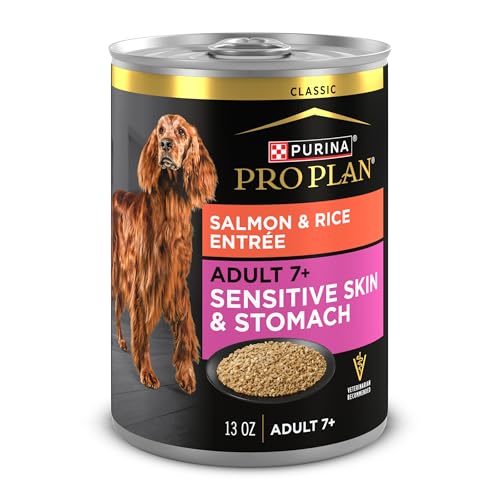
Best Wet Dog Food for Small Senior Dogs with Sensitive Stomachs
Find the right canned food to keep your aging small-breed companion comfortable, hydrated, and well-nourished — even with a delicate digestive system.
As small dogs enter their senior years — typically around age 7 for most small breeds — their nutritional needs shift. Digestion slows, dental issues become more common, and appetites can become finicky. Add a sensitive stomach to the mix, and finding the right food can feel overwhelming. That's where wet dog food for small senior dogs with sensitive stomachs becomes a game-changer.
Wet food offers higher moisture, softer texture, and often simpler ingredient profiles than dry kibble — all of which can ease digestion and keep your senior companion comfortable. But not all canned foods are created equal. Some are loaded with fillers, artificial preservatives, and by-products that can trigger digestive upset.
This guide breaks down exactly what to look for, what to avoid, and how to choose a formula that supports your small senior dog's health. Whether your dog has a diagnosed condition or simply a delicate tummy, you'll find practical, vet-informed guidance to make a confident choice.
Why Wet Food Makes Sense for Small Senior Dogs
Small senior dogs face a unique set of challenges that wet food addresses particularly well. Understanding these benefits helps you see why canned food is often the preferred choice for aging pets with digestive sensitivities.
- Higher moisture content: Wet food typically contains 75-85% water, which supports hydration — critical for senior dogs whose thirst drive may decrease. Proper hydration aids digestion, kidney function, and nutrient absorption.
- Easier to chew and swallow: Small senior dogs often have dental issues, missing teeth, or gum disease. The soft texture of wet food requires minimal chewing, reducing mouth pain and making mealtime more enjoyable.
- More palatable: The strong aroma and soft texture of wet food appeal to dogs with reduced senses of smell and taste — common in seniors. Picky eaters are more likely to accept wet food, ensuring they get adequate nutrition.
- Often simpler ingredient profiles: Many wet foods — especially limited-ingredient formulas — contain fewer ingredients than dry kibble, which may require binders, preservatives, and synthetic vitamins to remain shelf-stable. Fewer ingredients can mean fewer potential triggers for sensitive stomachs.
- Lower carbohydrate content: Many wet foods are higher in protein and fat and lower in carbohydrates compared to dry kibble. For senior dogs, this can mean easier digestion and better satiety.
Tip: If your senior dog has dental pain, try warming wet food slightly (to room temperature or just above) to enhance aroma and further ease eating. Never microwave in the can — transfer to a dog-safe bowl first.
Understanding Sensitive Stomachs in Senior Dogs
A "sensitive stomach" is not a formal diagnosis — it's a catch-all term for dogs that experience frequent digestive upset such as gas, loose stools, vomiting, or reluctance to eat. In senior dogs, several factors can contribute to or worsen digestive sensitivity.
Common Causes of Digestive Sensitivity
- Age-related changes: Digestive enzyme production decreases with age, and the intestinal lining may become less efficient at absorbing nutrients.
- Food intolerances: Senior dogs may develop sensitivities to ingredients they previously tolerated, particularly common proteins like chicken or beef, or grains like wheat and corn.
- Underlying medical conditions: Conditions such as pancreatitis, inflammatory bowel disease (IBD), kidney disease, or liver disease can cause or worsen digestive sensitivity.
- Dental problems: Painful teeth or gums can lead to reduced eating, which in turn causes stomach upset and nausea.
- Medication side effects: Many common senior dog medications — including NSAIDs for arthritis and antibiotics — can irritate the stomach lining.
- Stress and anxiety: Changes in routine, environment, or family dynamics can trigger digestive upset in sensitive dogs.
Signs Your Dog Needs a Gentle Formula
- Frequent loose stools or diarrhea
- Vomiting or regurgitation after meals
- Excessive gas or bloating
- Reluctance to eat or picky eating habits
- Weight loss despite adequate feeding
- Gurgling stomach sounds after eating
- Frequent scratching or skin issues (may indicate food allergy)
If your dog shows these signs consistently, consult your veterinarian. A proper diagnosis rules out serious conditions and helps you choose the right dietary approach. Our guide on dog food for sensitive stomach offers additional context on managing digestive issues through diet.
Key Ingredients to Look For
When shopping for wet dog food for a small senior dog with a sensitive stomach, the ingredient list is your most important tool. Look for formulas that prioritize easy-to-digest, high-quality nutrition without unnecessary additives.
- Named animal protein as the first ingredient: Look for specific proteins like "chicken," "turkey," "salmon," or "lamb" — not generic terms like "meat" or "meat by-products." For sensitive stomachs, novel proteins (proteins your dog hasn't eaten before) like venison, duck, or whitefish can be helpful if food intolerance is suspected. Our article on best dog food for dogs with allergies and sensitive stomachs explores protein selection in more depth.
- Single or limited protein sources: Limited-ingredient diets reduce the number of potential allergens. A formula with one primary protein source (e.g., salmon) and one primary carbohydrate (e.g., sweet potato) is easier to troubleshoot if digestive issues arise. Check out limited ingredient dog food salmon and sweet potato options for a starting point.
- Highly digestible carbohydrates: White rice, sweet potato, pumpkin, and oatmeal are gentler on the digestive system than corn, wheat, or soy. Pumpkin, in particular, is rich in soluble fiber and can help regulate bowel movements.
- Added fiber: Moderate fiber supports healthy digestion and stool quality. Sources like pumpkin, beet pulp, and psyllium husk are beneficial for sensitive stomachs.
- Omega-3 fatty acids: Fish oil or flaxseed provides anti-inflammatory benefits that support skin, coat, and joint health — all important for senior dogs. Our article on dog fish oil benefits explains why this is especially valuable for aging pets.
- Added vitamins and minerals: Senior dogs may need higher levels of certain nutrients like vitamin E, zinc, and B vitamins. AAFCO-complete formulas will list these, ensuring balanced nutrition.
- Prebiotics and probiotics: Some premium wet foods include prebiotic fibers (like inulin) or probiotic strains to support gut flora. These can be especially helpful for sensitive stomachs.
Look for the AAFCO statement: The Association of American Feed Control Officials (AAFCO) sets nutritional standards for pet food in the United States. Ensure the label states the food is "complete and balanced" for your dog's life stage — specifically "adult maintenance" or "all life stages." For senior dogs, formulas meeting adult maintenance requirements are typically appropriate unless your vet recommends otherwise.
Ingredients to Avoid
Just as important as what's in the food is what isn't. These ingredients can trigger or worsen digestive issues in sensitive senior dogs.
- Artificial preservatives: BHA, BHT, and ethoxyquin are synthetic preservatives that some studies link to health concerns. Choose foods preserved naturally with vitamin E (mixed tocopherols) or vitamin C.
- Artificial colors and flavors: These add no nutritional value and may cause allergic reactions or digestive upset in sensitive dogs.
- Generic meat by-products: "Meat by-products" can include organs and tissues of varying quality. While some by-products are nutritious, generic terms make it impossible to know what you're feeding. Choose foods with named by-products or, better, named muscle meat.
- Excessive fillers: Corn, wheat, soy, and other cheap fillers add bulk but little nutrition. They can be difficult for sensitive stomachs to process and are common allergens.
- Carrageenan: A common thickener in wet pet foods, carrageenan has been linked in some studies to gastrointestinal inflammation. While the evidence is mixed, many owners of sensitive dogs prefer to avoid it.
- High sodium: Excess salt can strain the kidneys and heart — a concern for senior dogs who may have underlying organ issues. Look for moderate sodium levels.
- Added sugars and sweeteners: Some cheap foods add sugar or corn syrup for palatability. These provide empty calories and can contribute to obesity and dental problems.
Types of Wet Food Formulas for Sensitive Seniors
Wet dog food comes in several formula categories, each suited to different needs. Understanding these can help you narrow down your options.
Pâté
A smooth, ground consistency that's easy for senior dogs with dental issues to eat. Pâtés are typically the most common and widely available wet food type. They can be mixed with water to create a gravy-like consistency for dogs who need extra moisture. Many pâté formulas come in limited-ingredient versions, making them a strong choice for sensitive stomachs.
Stew or Chunky
Contains chunks of meat and vegetables in gravy. While tempting to dogs, the chunks may be harder for small seniors with missing teeth to chew. Gravy can also add extra sodium. However, some stews are formulated with soft, shredded meat that's easy to eat. If you choose a stew, look for soft textures and low-sodium gravy.
Limited-Ingredient
Formulas with a short ingredient list — often one protein, one carbohydrate, and essential supplements. These are ideal for dogs with suspected food allergies or sensitivities. The simpler the formula, the easier it is to identify the trigger if problems arise. Look for "limited ingredient" on the label, and verify the ingredient list is genuinely short. Our guide on best wet dog food for small dogs with sensitive stomachs covers additional options for smaller breeds.
Veterinary/Prescription Diets
For dogs with diagnosed conditions like IBD, pancreatitis, or food allergies, a veterinary-prescribed wet food may be the best option. These formulas are designed to address specific medical needs and should only be used under veterinary supervision. Common examples include hydrolyzed protein diets or low-fat formulas for pancreatitis.
Tip: Rotating between two or three flavors of the same formula line (e.g., chicken and salmon versions of a limited-ingredient food) can add variety without disrupting digestion — but always transition slowly between flavors, just as you would between brands.
Feeding Tips & Transitioning
How you feed your senior dog is just as important as what you feed. These practical tips help maximize digestive comfort and minimize mealtime stress.
Establish a Consistent Routine
Senior dogs thrive on routine. Feed at the same times each day — typically twice daily for adult dogs. Consistent meal times regulate digestion and reduce anxiety around food. If your dog currently eats once daily, split the amount into two meals; this is generally easier on the digestive system.
Control Portions
Obesity is a major health risk for senior dogs and can worsen joint problems and heart conditions. Follow the feeding guide on the can, but adjust based on your dog's body condition. You should be able to feel (but not see) your dog's ribs, and they should have a visible waist. Ask your vet to assess your dog's body condition score at every visit. Our article on best wet dog food for senior dogs to gain weight covers the opposite concern if your dog is underweight.
Transition Gradually
Never switch foods abruptly — especially for a dog with a sensitive stomach. Transition over 7-10 days by mixing increasing proportions of the new food with the old:
- Days 1-3: 25% new food, 75% old food
- Days 4-6: 50% new food, 50% old food
- Days 7-9: 75% new food, 25% old food
- Day 10: 100% new food
If your dog has a very sensitive stomach or has reacted poorly to food changes in the past, extend the transition period even longer. Watch for signs of digestive upset (loose stools, vomiting, gas) and slow down if needed.
Warm Food Slightly
Refrigerated wet food can be less appetizing. Let it come to room temperature before serving, or warm it gently by placing the bowl in a larger bowl of warm water. Never microwave directly in the can. Slightly warmed food releases more aroma, encouraging finicky eaters.
Store Leftovers Properly
Once opened, canned wet food should be refrigerated in a sealed container and used within 3-4 days. Never leave wet food out at room temperature for more than 30 minutes — bacteria grow quickly in moist food. If your dog doesn't finish a meal, refrigerate the remainder and discard any uneaten food after 24 hours.
Consider Mixing with Dry Food
Some owners mix wet and dry food to combine the benefits of both — moisture and palatability from wet, dental benefits and cost savings from dry. For a dog with a sensitive stomach, this can work well if the transition is gradual. Choose a dry food that's also formulated for sensitive stomachs, such as those reviewed in our best dry dog food for small dogs with sensitive stomachs guide. Mixing also helps bridge the texture transition if your dog is used to kibble.
Formula Comparison at a Glance
To help you compare different types of wet food formulas, here's a quick reference table. Remember that individual dogs vary — what works for one may not work for another.
| Formula Type | Best For | Protein Level | Texture | Key Consideration |
|---|---|---|---|---|
| Limited-Ingredient Pâté | Dogs with suspected food allergies or intolerances | Moderate to high | Smooth, soft | Verify short ingredient list; look for novel protein |
| Senior-Specific Formula | Healthy seniors needing age-appropriate nutrition | Moderate | Varies (often pâté or stew) | Lower calories, added joint support, easy to chew |
| Sensitive Stomach Formula | Dogs with frequent digestive upset | Moderate | Smooth or shredded | Easy-to-digest ingredients, prebiotics, no artificial additives |
| Veterinary Hydrolyzed Protein | Diagnosed food allergies or IBD | Moderate to high | Pâté | Prescription required; follow vet guidance |
| Low-Fat Formula | Dogs with pancreatitis or fat intolerance | Moderate | Pâté or stew | Restrict fat; often veterinary-prescribed |
| High-Moisture Gravy | Picky eaters needing hydration | Varies | Liquid with chunks | Check sodium level; may be harder for toothless dogs |
Common Feeding Mistakes to Avoid
Even well-meaning owners can inadvertently make choices that worsen digestive issues. Here are the most common pitfalls to watch for.
- Switching foods too quickly. Abrupt changes disrupt gut flora and can cause diarrhea, vomiting, and refusal to eat. Always transition over 7-10 days or longer for sensitive dogs.
- Overfeeding. Wet food is calorie-dense in smaller volumes than dry food. Follow the label guide and adjust based on body condition. Overfeeding is a leading cause of obesity and digestive upset.
- Free-feeding wet food. Unlike dry kibble, wet food spoils quickly at room temperature. Leaving it out all day invites bacterial growth and can cause food poisoning. Feed measured meals and remove uneaten food after 30 minutes.
- Ignoring dental health. Wet food alone doesn't clean teeth. Senior dogs still need regular dental care — brushing, dental chews, or professional cleanings. Our guide on dog dental cleaning explains why this matters for overall health.
- Assuming all "senior" foods are equal. Senior formulas vary widely in quality. Some are simply adult formulas with slightly reduced calories. Look for specific benefits like added joint support, easy-to-digest proteins, and appropriate calorie density.
- Not consulting a vet. If your dog has persistent digestive issues, a veterinary exam is essential. Food alone can't fix underlying medical problems. Your vet can rule out conditions like pancreatitis, IBD, or intestinal parasites.
Remember: A sensitive stomach is often a symptom, not a diagnosis. If your senior dog experiences chronic vomiting, diarrhea, weight loss, or loss of appetite, seek veterinary care promptly. Dietary changes should complement — not replace — proper medical evaluation.
Frequently Asked Questions
Making Your Final Choice
Choosing the best wet dog food for your small senior dog with a sensitive stomach comes down to a few key priorities: high-quality named proteins, limited and recognizable ingredients, no artificial additives, and a texture your dog can comfortably eat. Start with a limited-ingredient pâté or a sensitive-stomach formula, transition slowly, and monitor your dog's response. If digestive issues persist, work with your veterinarian to rule out underlying conditions. For more targeted recommendations, explore our guides on best wet dog food for senior dogs with sensitive stomachs and best wet dog food for small dogs with sensitive stomachs.
With the right food and a little patience, you can keep your senior companion comfortable, well-nourished, and happy well into their golden years.