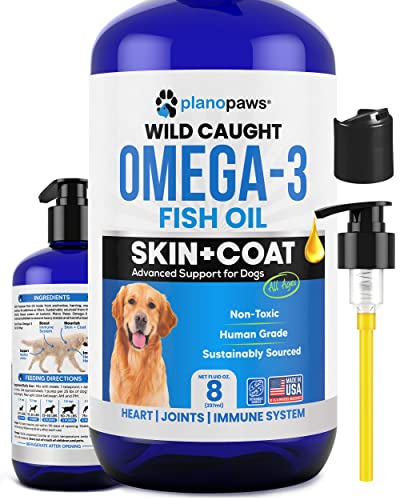
Dog Fish Oil Benefits: A Complete Guide for Dog Owners
Fish oil is one of the most researched and veterinarian-recommended supplements for dogs. Learn how omega-3 fatty acids support joint health, skin and coat condition, heart function, and overall well-being — and how to choose the right product for your dog.
If you have ever browsed the supplement aisle at a pet store or asked your veterinarian about improving your dog's coat or joint comfort, you have likely encountered fish oil. It is not a passing trend — fish oil is one of the most extensively studied nutritional supplements in veterinary medicine, with a body of research supporting its use for a range of health concerns.
But what exactly makes fish oil so beneficial, and how do you know if your dog actually needs it? This guide breaks down the science behind dog fish oil benefits in plain language, so you can make an informed decision about whether to add it to your dog's routine and how to do so safely.
What Is Fish Oil for Dogs?
Fish oil is a dietary supplement extracted from the tissues of oily fish such as salmon, sardines, anchovies, and mackerel. Its primary active components are omega-3 fatty acids — specifically eicosapentaenoic acid (EPA) and docosahexaenoic acid (DHA). These are essential fatty acids, meaning your dog's body cannot produce them in sufficient quantities and must obtain them from diet or supplementation.
While omega-6 fatty acids are also essential, most commercial dog foods already contain adequate amounts. The modern canine diet, however, is often disproportionately high in omega-6 relative to omega-3, which can promote inflammation. Fish oil helps restore a healthier balance by increasing omega-3 intake — and that balance is central to many of the benefits discussed below.
Key Point: Fish oil is not a medication — it is a nutritional supplement. It supports normal body functions but is not a cure for disease. For dogs with diagnosed health conditions, fish oil should be used as part of a comprehensive treatment plan developed with your veterinarian.
Key Health Benefits of Fish Oil for Dogs
The omega-3 fatty acids in fish oil influence nearly every system in the body. Here are the most well-supported benefits:
- Reduces inflammation: EPA and DHA are natural anti-inflammatory agents. They help modulate the body's inflammatory response, which is beneficial for dogs with arthritis, allergies, and inflammatory skin conditions.
- Supports joint health and mobility: By reducing joint inflammation, fish oil can help ease stiffness and improve comfort in dogs with osteoarthritis or hip dysplasia. Many owners report improved willingness to move and play.
- Promotes healthy skin and a shiny coat: Omega-3s nourish the skin from within, helping to reduce dryness, flakiness, and itching. They also support the production of sebum, which keeps the coat glossy and healthy.
- Supports heart health: Omega-3 fatty acids help maintain healthy heart rhythm and can support cardiovascular function, particularly in dogs with certain heart conditions.
- Boosts immune system function: DHA and EPA support the immune system's ability to respond appropriately to challenges, contributing to overall resilience.
- Supports brain and eye development: DHA is especially important for puppies, as it plays a critical role in brain and retinal development. It may also help maintain cognitive function in senior dogs.
- May help with kidney health: Some research suggests omega-3 supplementation can support kidney function in dogs with chronic kidney disease by reducing inflammation and protein loss in urine.
- Supports skin barrier function: For dogs prone to allergies, fish oil can help strengthen the skin barrier, making it less reactive to environmental allergens.
If your dog suffers from food sensitivities or skin issues, fish oil can complement a carefully chosen diet. Explore options like limited ingredient dog food with salmon and sweet potato or best dog food for dogs with allergies and sensitive skin to build a comprehensive approach.
EPA vs. DHA: What's the Difference?
Not all omega-3s are the same. Understanding the roles of EPA and DHA helps you choose a product that matches your dog's needs.
EPA (Eicosapentaenoic Acid)
EPA is primarily responsible for the anti-inflammatory effects of fish oil. It is converted in the body into compounds that help resolve inflammation. For dogs with joint pain, arthritis, or inflammatory skin conditions, a product with a higher EPA ratio may be more beneficial.
EPA also supports cardiovascular health and helps maintain healthy triglyceride levels.
DHA (Docosahexaenoic Acid)
DHA is a structural component of the brain and retina. It is critical for neurological and visual development in puppies and helps maintain cognitive function in aging dogs. DHA also supports heart health and has been studied for its role in slowing cognitive decline in senior dogs.
For pregnant or nursing dogs and growing puppies, DHA is particularly important.
Most high-quality fish oil supplements contain both EPA and DHA. The ideal ratio depends on your dog's specific health goals. A veterinarian can help you determine whether an EPA-dominant or balanced formula is more appropriate.
Joint Health & Mobility
Osteoarthritis is one of the most common conditions affecting dogs, especially as they age. It causes pain, stiffness, and reduced mobility. While there is no cure, managing inflammation is key to keeping dogs comfortable — and this is where fish oil shines.
Clinical studies have shown that omega-3 fatty acids can reduce the production of inflammatory mediators in arthritic joints. Many veterinarians recommend fish oil as a first-line supplement for dogs showing early signs of joint stiffness, or as part of a multimodal approach for dogs with diagnosed arthritis.
- Reduces joint inflammation: EPA helps dampen the inflammatory cascade within the joint, which can ease pain and swelling.
- Improves mobility: Owners often report that dogs become more willing to walk, climb stairs, and play after consistent fish oil supplementation.
- Supports cartilage health: Omega-3s may help slow cartilage degradation by reducing the inflammatory environment that contributes to joint damage.
- Safe for long-term use: Unlike some pain medications, fish oil is generally safe for extended use when dosed appropriately, making it a good option for chronic management.
Combination Approach: Fish oil works best for joint health when combined with weight management, appropriate exercise, and other joint-supporting supplements like glucosamine and chondroitin. If your dog is overweight, shedding extra pounds significantly reduces stress on joints. Check out our guide on healthy dog weight management tips for practical strategies.
Skin & Coat Benefits
If your dog has dry, flaky skin, a dull coat, or chronic itching, fish oil may be one of the most effective supplements you can add to their routine. The skin is the largest organ in a dog's body, and its health depends heavily on adequate fat intake — particularly omega-3 fatty acids.
- Moisturizes from within: Omega-3s help maintain the skin's lipid barrier, reducing water loss and keeping skin supple.
- Reduces itching and inflammation: For dogs with allergic dermatitis, fish oil can help calm the inflammatory response that causes redness and itching.
- Promotes a glossy coat: Fish oil supports sebum production, which gives the coat a healthy shine and helps prevent dryness and brittleness.
- Supports skin healing: Omega-3s are involved in the repair and regeneration of skin tissue, which can be helpful for dogs with hot spots or minor skin injuries.
- May reduce shedding: Healthier skin and hair follicles can lead to less excessive shedding over time.
For dogs with significant skin issues, fish oil is often used alongside medicated shampoos and targeted diets. Products like veterinary formula clinical care hypoallergenic shampoo can complement internal supplementation. You may also consider a dog food for allergies and sensitive skin as part of a holistic approach.
Heart & Immune System Support
Beyond joints and skin, fish oil offers benefits that are less visible but equally important.
Cardiovascular Health
Omega-3 fatty acids support heart health in several ways. They help maintain normal heart rhythm, support healthy blood pressure, and reduce inflammation within blood vessels. For dogs with certain heart conditions, veterinarians may recommend fish oil as part of a comprehensive cardiac care plan. The anti-inflammatory effects also help support healthy circulation.
Immune System Function
DHA and EPA are incorporated into cell membranes throughout the body, including immune cells. By supporting healthy cell membrane function and modulating inflammatory responses, omega-3s help the immune system respond appropriately to challenges. This contributes to overall resilience and well-being, particularly in aging dogs whose immune function naturally declines.
Cognitive Function in Senior Dogs
As dogs age, cognitive decline can affect memory, learning, and awareness. DHA is a key structural component of brain tissue, and supplementation has been studied for its potential to support cognitive function in senior dogs. Some veterinarians recommend fish oil for older dogs showing early signs of cognitive dysfunction, such as confusion or changes in sleep patterns.
If your dog is in their senior years, explore our guide on best canned dog food for senior dogs with heart conditions or best dog food for older small dogs with few teeth to ensure their diet supports their changing needs.
Types of Fish Oil Products for Dogs
Not all fish oil supplements are created equal. The form, concentration, and source of the oil all affect its quality and effectiveness. Here is an overview of the main options:
Liquid Fish Oil
The most versatile and often most cost-effective form. Can be pumped directly into the mouth or mixed into food. Requires refrigeration after opening and has a shorter shelf life. Available in pump bottles for easy dosing.
mid-range to premiumSoftgel Capsules
Convenient and pre-measured. Can be given whole or punctured and squeezed onto food. Less messy than liquid but may be harder to adjust dosage precisely. Some dogs will chew them like treats.
entry-level to mid-rangeChewable Supplements
Formulated with flavoring to make them palatable. Often include other beneficial ingredients like glucosamine or vitamins. Convenient for picky dogs but may contain fillers or lower concentrations of omega-3s.
mid-rangePharmaceutical-Grade Oil
High-concentration, purified products often prescribed by veterinarians for specific health conditions. Strictly quality-controlled for purity and potency. Typically the most expensive option but ensures consistent dosing.
premium to luxuryWhen selecting a product, look for one that:
- Lists the EPA and DHA content on the label (not just total omega-3s or fish oil weight)
- Is purified or molecularly distilled to remove heavy metals, PCBs, and other contaminants
- Is sourced from small, oily fish (sardines, anchovies, mackerel) which accumulate fewer toxins than large fish
- Has a third-party testing certificate or meets established quality standards
- Comes from a reputable brand with transparent sourcing and manufacturing practices
How to Choose the Right Fish Oil and Dose It
Choosing the right fish oil is only half the equation — correct dosing is equally important. Too little and you may not see benefits; too much can cause digestive upset.
Understanding the Label
The most important numbers on a fish oil label are the EPA and DHA content per serving, not the total amount of oil. For example, a 1000 mg fish oil softgel might contain only 180 mg EPA and 120 mg DHA — meaning the actual beneficial omega-3 content is 300 mg, not 1000 mg. Always calculate your dog's dose based on the combined EPA + DHA.
General Dosing Guidelines
Veterinarians typically recommend a daily dose of 20–50 mg of combined EPA and DHA per pound of body weight. However, this is a broad guideline — the optimal dose varies based on:
- Health condition: Dogs with arthritis or skin conditions often need higher doses (toward the upper end of the range) than healthy dogs.
- Life stage: Puppies, pregnant dogs, and senior dogs may have different requirements.
- Diet: Dogs already eating a diet rich in omega-3s may need less supplementation.
- Product concentration: A more concentrated product means a smaller volume per dose.
Important: Always consult your veterinarian before starting fish oil, especially if your dog has a diagnosed health condition, is on medication, or is scheduled for surgery. Your vet can calculate a precise dose based on your dog's individual needs.
Tips for Starting Fish Oil
- Start low and go slow: Begin with half the recommended dose for the first week, then gradually increase. This helps prevent digestive upset.
- Introduce with food: Mix oil or open capsules into your dog's regular meal to improve absorption and reduce the chance of stomach upset.
- Monitor for changes: Keep a simple log of your dog's mobility, coat condition, and stool quality. It can take 4–8 weeks to see noticeable improvements.
- Store properly: Fish oil oxidizes quickly. Keep liquid products refrigerated, close caps tightly, and discard if it smells rancid. Softgels should be stored in a cool, dark place.
- Reassess regularly: Have your vet review the dosage at least annually, or more often if your dog's health status changes.
If you are looking for complementary supplements, explore our guide on dog vitamins to understand how different nutrients work together.
Safety & Side Effects
Fish oil is generally safe for dogs when used appropriately. However, it is not without potential side effects, and certain dogs should use it with caution.
Common Side Effects
- Digestive upset: Loose stools or diarrhea are the most common side effects, especially when starting at a high dose. Usually resolves with dose reduction or gradual introduction.
- Fishy breath: Some owners notice a fishy odor on their dog's breath or coat. This is generally harmless but can be unpleasant.
- Weight gain: Fish oil is calorie-dense. If your dog is prone to weight gain, account for these extra calories in their daily intake.
Precautions
- Blood clotting: High doses of omega-3s can interfere with normal blood clotting. Dogs with bleeding disorders or those scheduled for surgery should consult their vet before using fish oil.
- Pancreatitis: Dogs with a history of pancreatitis or hyperlipidemia may need to avoid fish oil or use it only under strict veterinary supervision.
- Drug interactions: Fish oil may interact with certain medications, including blood thinners. Always disclose all supplements to your veterinarian.
- Quality matters: Poor-quality fish oil can contain contaminants like mercury, PCBs, and dioxins. Choose purified, third-party-tested products from reputable brands.
- Human supplements: Some human fish oil products contain additives like xylitol or artificial flavorings that are toxic to dogs. Always check the ingredient list and consult your vet before using human supplements.
Safety First: If your dog has any underlying health condition, is pregnant or nursing, or is on medication, do not start fish oil without veterinary approval. The information in this guide is educational and not a substitute for professional advice.
When caring for your dog's health, it is always wise to have a dog first aid kit on hand and to maintain a good relationship with your veterinarian. For questions about specific health concerns, consider resources like our guide on why your dog's paws are red and they keep licking them, which may relate to allergies that fish oil can help address.
Frequently Asked Questions
Final Thoughts
Fish oil is one of the most valuable supplements you can add to your dog's health routine. Its benefits span joint comfort, skin and coat health, heart function, and overall vitality — all backed by a solid foundation of veterinary research. The key is choosing a high-quality product, dosing it correctly, and introducing it thoughtfully.
As with any supplement, individual results vary. Some dogs respond dramatically; others show more subtle improvements. What matters most is that you are making an informed, deliberate choice for your dog's well-being. Combine fish oil with a balanced diet, regular exercise, and routine veterinary care — these pillars together give your dog the best chance at a long, comfortable, and happy life.