Best Dog Food for Sensitive Stomachs
Expert-approved guide to soothing your dog's digestive issues. Learn which ingredients, diets, and probiotics actually work.
If your dog suffers from frequent diarrhea, vomiting, or gas, you're not alone. Sensitive stomachs are one of the most common health issues in dogs, affecting up to 30% of the canine population. The good news is that with the right dog food for sensitive stomachs, most digestive issues can be managed or even resolved.
This guide will walk you through everything you need to know: from identifying the symptoms of a sensitive stomach, to understanding which ingredients to look for, and finally, choosing the best diet for your furry friend. Whether you're dealing with a puppy or a senior dog, we've got you covered.
Signs Your Dog Has a Sensitive Stomach
Before you switch foods, it's important to confirm that your dog's symptoms are indeed related to diet. Common signs include:
- Chronic diarrhea or loose stools — especially if it happens frequently after meals.
- Excessive gas and bloating — which can be uncomfortable and sometimes painful.
- Vomiting or regurgitation — particularly if it occurs soon after eating.
- Loss of appetite or picky eating — dogs with stomach discomfort often avoid food.
- Weight loss or poor coat condition — due to malabsorption of nutrients.
- Excessive licking or chewing of paws — which can indicate food allergies.
Important: If your dog shows severe symptoms like bloody diarrhea, lethargy, or repeated vomiting, consult your veterinarian immediately. These could be signs of a more serious condition like canine colitis or bloat.
Common Causes of Digestive Issues
Understanding the root cause is the first step to finding the right solution. Here are the most common reasons why dogs develop sensitive stomachs:
- Food Intolerances & Allergies: Many dogs are intolerant to common ingredients like chicken, beef, corn, wheat, or soy. This triggers an immune response or digestive upset.
- Lack of Digestive Enzymes: Some dogs don't produce enough enzymes to break down certain proteins or carbohydrates, leading to fermentation and gas.
- Inflammatory Bowel Disease (IBD): A chronic condition where the dog's immune system attacks the digestive tract, causing inflammation and malabsorption. Learn more about dog colitis symptoms and treatment.
- Sudden Diet Changes: Switching foods too quickly can shock the digestive system. Always transition over 7-10 days.
- Stress & Anxiety: Just like humans, dogs can experience digestive issues due to stress, travel, or changes in routine. Read about calming products for dogs.
- Parasites or Infections: Sometimes, the issue is not the food itself but an underlying infection or parasite.
Key Ingredients for Sensitive Stomachs
When shopping for dog food, look for these gut-friendly ingredients. They are proven to promote healthy digestion and reduce inflammation.
Easily Digestible Proteins
Novel or easily digestible proteins are less likely to trigger allergic reactions. Great options include:
- Salmon — rich in omega-3s which reduce inflammation.
- Lamb — a common alternative for dogs allergic to chicken.
- Turkey — lean and easily digestible.
- Venison or Duck — novel proteins for dogs with multiple allergies.
Prebiotics & Probiotics
These are essential for maintaining a healthy gut microbiome. They help regulate digestion and boost immunity. Look for foods that contain:
- FOS (Fructooligosaccharides) — a prebiotic that feeds good bacteria.
- Dried Fermentation Products — sources of probiotics like Lactobacillus acidophilus.
- Pumpkin — a natural source of fiber that helps firm up stools. Learn about benefits of raw food diet.
- Sweet Potatoes — a gentle carbohydrate that is easy on the stomach.
Pro Tip: Avoid foods with artificial colors, preservatives, and by-products. These can irritate a sensitive stomach. Also, look for a single, high-quality protein source to minimize the risk of allergies. Consider best limited ingredient dog food options.
Best Types of Dog Food for Sensitive Stomachs
Not all sensitive stomach diets are created equal. Based on your dog's specific needs, one type may be better than another.
- Limited Ingredient Diet (LID): These foods contain a minimal number of ingredients to reduce the chance of triggering an allergy. Perfect for dogs with unknown food sensitivities. Check out best limited ingredient dog food.
- Hydrolyzed Protein Diet: Proteins are broken down into tiny pieces that the immune system doesn't recognize as allergens. This is often prescribed by vets for severe allergies.
- Grain-Free vs. Whole Grain: If your dog has a grain allergy, go grain-free. However, many sensitive stomach dogs do well with whole grains like oatmeal or brown rice, which provide fiber. Read our guide on dog food allergies.
- Wet vs. Dry Food: Wet food has higher moisture, which can aid digestion. Dry food (kibble) is more convenient and helps with dental health. Both can be excellent choices if they have the right ingredients.
- Raw Diet: Some owners see improvement on a raw diet, but this must be done very carefully to avoid bacterial infections and nutritional imbalances. Consult your vet first. Explore raw dog food options.
Vet's Note: When switching to any new food, always do a 7-10 day transition. Start with 25% new food and 75% old, then gradually increase. This minimizes digestive upset. Also, consider using a slow-feed dog bowl to prevent gulping air, which can cause bloat and gas.
Supplements That Help
Sometimes, the right food isn't enough. These supplements can provide an extra boost to your dog's digestion:
- Probiotics: Live beneficial bacteria that restore gut health. Look for products with multiple strains. Learn about best digestive enzymes for dogs.
- Digestive Enzymes: Help break down food components that the dog's system can't process on its own.
- Pumpkin Puree: A simple, natural remedy for diarrhea and constipation. Use 100% pure pumpkin (not pie filling).
- Fish Oil (Omega-3s): Reduces inflammation throughout the body, including the digestive tract.
Top Picks for Sensitive Stomachs
Based on ingredient quality, customer reviews, and vet recommendations, these are our top choices:
- Purina Pro Plan Sensitive Skin & Stomach: Known for its high-quality salmon and rice formula, rich in probiotics and omega-3s. Price: $80+
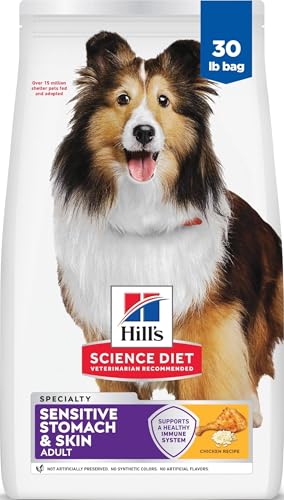
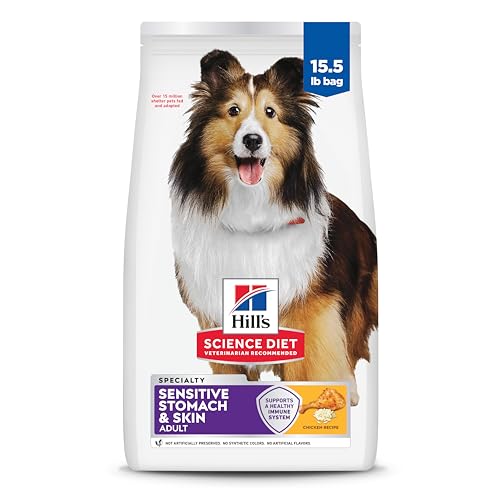
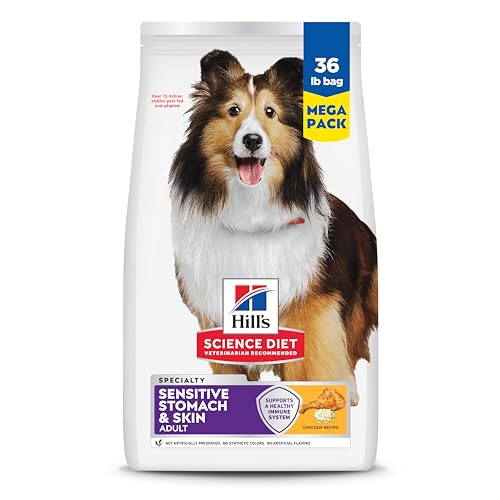
- Hill's Science Diet Adult Sensitive Stomach & Skin: Vet-recommended, with prebiotic fiber to support digestive health. Price: $75+
- Royal Canin Veterinary Diet Gastrointestinal: Available only through vets, this is highly digestible and contains a balanced mix of fibers. Price: $100+
- Natural Balance Limited Ingredient Diet: Ideal for dogs with allergies, available in novel proteins like lamb and venison. Price: $70+
- Wellness Simple Limited Ingredient Diet: Uses a single protein source and is free from gluten, wheat, and corn. Price: $65+
- Blue Buffalo Basics Limited Ingredient: Features high-quality turkey and potato, with pumpkin for digestive health. Price: $75+
- Merrick Grain-Free Limited Ingredient Diet: Uses real deboned meat and is blended with sweet potatoes and peas. Price: $80+
- Purina ONE Plus Sensitive Stomach: A more affordable option with real salmon and a blend of probiotics. Price: $55+
Frequently Asked Questions
Still Not Sure?
Choosing the right food for your dog's sensitive stomach can feel overwhelming, but you're not alone. Start with one of our top recommendations, and always listen to your dog's body. If you need more help, check out our detailed guides on dog food allergies and best dog food. Your dog's digestion will thank you!