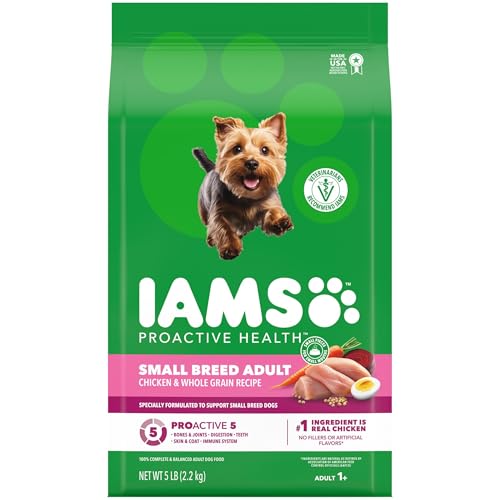
Soft Dry Dog Food for Small Dogs with Bad Teeth
Practical guidance for choosing dental-friendly kibble that small breeds can chew comfortably — without sacrificing complete nutrition or palatability.
When a small dog develops dental problems — worn enamel, missing teeth, gum disease, or simply age-related sensitivity — mealtime can become a source of pain rather than pleasure. Hard, brittle kibble that was once easy to crunch may now be difficult or even impossible to chew. The result is often skipped meals, weight loss, and a worried owner.
Soft dry dog food bridges the gap between the convenience of kibble and the gentleness of wet food. It offers the nutritional completeness of a dry diet with a texture that small mouths and sore gums can handle. But not all “soft” kibble is created equal, and the marketing labels can be confusing. This guide explains what to look for, what to avoid, and how to help your dog eat comfortably again.
Why Soft Dry Food Matters for Small Dogs with Bad Teeth
Small breeds are disproportionately affected by dental disease. Their teeth are crowded into a smaller jaw, which creates more crevices for plaque to accumulate. By age three, most small dogs show some signs of periodontal disease. For senior dogs or those with existing dental damage, the challenge is not just prevention — it is making sure they can eat without discomfort.
Hard kibble requires significant chewing force. When a dog has a sore tooth, inflamed gums, or a missing molar, that force translates directly into pain. Many dogs will simply refuse to eat rather than endure it. Soft dry food reduces the mechanical effort needed to break down the kibble, allowing your dog to get complete nutrition without the struggle. This is especially important for dogs who are already underweight or recovering from dental procedures.
Signs Your Dog May Need Softer Food:
• Dropping kibble out of the mouth while eating
• Chewing on only one side of the mouth
• Hesitating before approaching the food bowl
• Eating slowly or leaving food uneaten
• Bad breath accompanied by reluctance to chew
• Weight loss despite a healthy appetite for treats
If your dog is showing any of these signs, a veterinary dental exam is the first step. Once you understand what is happening in your dog’s mouth, you can make an informed decision about food texture. For dogs with severe dental disease, your vet may recommend a prescription soft diet or a temporary switch to wet food. For mild to moderate sensitivity, a quality soft dry food can be a practical long-term solution.
What Makes Kibble “Soft”?
The texture of dry dog food is determined by how it is manufactured. Most conventional kibble is produced through high-temperature extrusion, which cooks the dough quickly and results in a hard, brittle piece. Soft dry foods use different methods — or different formulations — to achieve a gentler bite.
- Air-drying or low-temperature baking: Instead of flash-cooking at high heat, these methods gently remove moisture while preserving a more pliable texture. The resulting pieces are often described as “nuggets” rather than kibble, and they tend to be softer and less crunchy.
- Higher residual moisture: Some soft dry foods retain slightly more moisture than standard kibble, which keeps the pieces from becoming brittle. The difference is subtle but noticeable to a dog with sensitive teeth.
- Smaller, thinner shapes: A smaller piece requires less jaw force to break. Many soft dry formulas designed for small breeds use thin discs or tiny nuggets that a dog can manage even with compromised teeth.
- Added fats or humectants: Some formulations include ingredients that keep the kibble slightly supple, preventing it from drying out into a hard pellet.
It is worth noting that “soft” is a relative term. A soft dry food is still dry food — it will not be as mushy as canned food. For dogs with no teeth or severe oral pain, moistening the kibble with warm water or mixing it with a small amount of wet food may still be necessary. For dogs with mild sensitivity or a few missing teeth, a quality soft dry food may be sufficient on its own.
Key Features to Look For in Soft Dry Food
When evaluating soft dry dog foods for a small dog with dental issues, prioritize these characteristics:
Protein Quality and Source
A named animal protein — chicken, turkey, fish, or lamb — should be the first ingredient. Small dogs have high energy requirements relative to their body size, and quality protein supports muscle maintenance, especially important for senior dogs who may be losing muscle mass. Avoid formulas that lead with vague “meat meal” or excessive grains.
Kibble Size and Shape
Small breed formulas typically feature smaller kibble, but “small” varies between brands. Look for pieces that are thin or flat rather than round and thick. Flat pieces are easier for a dog with limited jaw strength to pick up and break. Some soft dry foods use a nugget shape that is naturally more pliable.
Life Stage Appropriateness
Senior formulas often account for the specific needs of aging dogs — lower calorie density for reduced activity, added joint support like glucosamine, and sometimes softer textures. Puppy formulas are too calorie-dense for most adult small dogs. Adult maintenance formulas work well for middle-aged dogs with dental sensitivity but no other health issues.
Nutritional Completeness
Look for a statement that the food meets AAFCO nutritional standards for your dog’s life stage. This ensures the food provides complete and balanced nutrition, which is especially critical when a dog is eating less due to dental discomfort. A soft texture means nothing if the food is not nutritionally adequate.
Practical Tip: If your dog has lost teeth or has significant gum recession, choose a soft dry food and then moisten it slightly before serving. Add two to three tablespoons of warm water per half-cup of kibble, stir, and let it sit for two minutes. This softens the exterior without turning the food into mush, preserving some texture for dogs who still enjoy a little resistance.
Soft Dry Food vs. Other Formats
Understanding how soft dry food compares to other options helps you make a decision that fits your dog’s specific situation.
Standard Hard Kibble
Crunchy, brittle texture that provides some mechanical scraping action against teeth. Good for dogs with healthy mouths, but painful for dogs with dental disease. Inappropriate for dogs with missing teeth or gum inflammation.
Not suitable for bad teethSoft Dry Food
Pliable, less brittle texture that requires minimal chewing force. Offers the convenience of dry food with gentler handling. Nutritionally complete when formulated to AAFCO standards. Best for mild to moderate dental sensitivity and senior dogs.
Best balance for dental sensitivityWet / Canned Food
Very soft texture, high moisture content. Easiest for dogs with severe dental pain or no teeth. More expensive per calorie and requires refrigeration after opening. Can be mixed with soft dry food for variety.
Best for severe dental issuesFreeze-Dried / Air-Dried
Often softer than conventional kibble, but texture varies significantly by brand. Some are quite firm. Can be rehydrated for a softer consistency. Usually premium or luxury positioning.
Varies by brand — check textureFor many small dogs with bad teeth, soft dry food hits the sweet spot: it is more comfortable than hard kibble but more convenient and economical than an all-wet diet. If your dog has no remaining teeth or severe oral pain, wet food or moistened soft kibble may be necessary. Your veterinarian can help you assess the severity of your dog’s dental condition and recommend the appropriate texture.
Feeding Tips for Dental-Sensitive Small Dogs
Switching to a softer food is only part of the solution. These practical strategies help ensure your dog eats comfortably and maintains healthy weight.
- Warm the food slightly. A few seconds in the microwave (test temperature with your finger first) or a splash of warm water releases aroma, making the food more appealing to a dog whose sense of smell may be dulled by age or illness.
- Feed smaller, more frequent meals. A dog with dental discomfort may tire of chewing after a few minutes. Two or three smaller meals are easier to finish than one large bowl. This also helps maintain stable blood sugar in small breeds.
- Elevate the bowl slightly. A raised bowl reduces neck strain and makes it easier for a dog with a sore mouth to reach the food without putting pressure on the jaw.
- Monitor weight weekly. Small dogs can lose weight quickly if they are not eating enough. A kitchen scale is more accurate than eyeballing. If your dog loses more than a few percent of body weight, consult your vet.
- Keep water available at all times. Soft dry food may contain slightly more moisture than hard kibble, but it is still a dry diet. Fresh water supports digestion and overall health.
- Maintain gentle dental hygiene. If your dog tolerates it, a soft-bristled toothbrush or a vet-approved dental wipe can help control plaque. Avoid hard chews or bones if your dog has damaged teeth.
For dogs with sensitive stomachs, transitioning too quickly can cause digestive upset. This is especially true for small breeds, who are more prone to gastrointestinal sensitivity than larger dogs. A slow transition is essential.
How to Transition Safely to Soft Dry Food
Even though soft dry food is gentler on the mouth, it is still a new formula that your dog’s digestive system needs to adjust to. A gradual transition over seven to ten days minimizes the risk of diarrhea or stomach upset.
- Days 1–2: 25% new food, 75% old food
- Days 3–4: 50% new food, 50% old food
- Days 5–6: 75% new food, 25% old food
- Days 7–10: 100% new food
If your dog has a history of sensitive stomach or has had digestive issues in the past, extend the transition to two weeks. Watch for signs of upset — loose stools, gas, or reluctance to eat — and slow down if they occur. You can also mix a small amount of the new soft food with warm water to create a gravy that entices your dog to try it.
Note for Dogs with Significant Dental Pain: If your dog is currently in pain or has recently had dental surgery, your vet may recommend starting with a completely softened diet — either wet food or soft dry food moistened to a porridge-like consistency — before gradually introducing texture. Follow your vet’s guidance for post-procedure feeding.
Frequently Asked Questions
The Bottom Line
A small dog with bad teeth does not have to struggle through mealtime. Soft dry food offers a practical middle ground: easier to chew than hard kibble, more convenient than an all-wet diet, and nutritionally complete when chosen carefully. Prioritize named proteins, small or flat kibble shapes, and AAFCO-complete formulas. If your dog’s dental issues are severe, work with your vet to determine whether moistened soft food or a wet diet is more appropriate. For related guidance, explore our recommendations for dry food for older dogs with bad teeth and food for small senior dogs with few teeth.