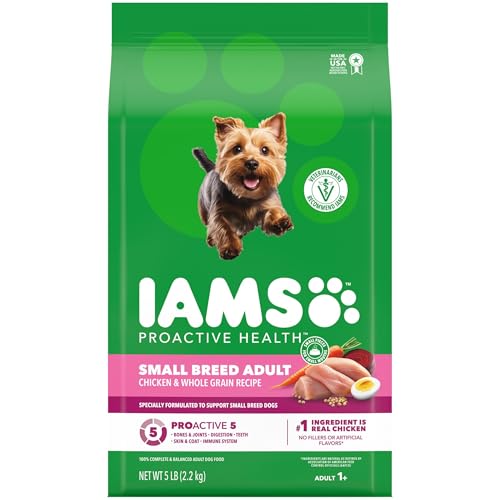
Soft Dry Dog Food for Dogs with Bad Teeth
Everything you need to know about choosing soft kibble for dogs with dental problems, missing teeth, or sensitive gums — so your dog can eat comfortably and stay properly nourished.
When your dog has bad teeth, every meal can become a struggle. Hard kibble that was once easy to crunch suddenly causes pain, and your dog may start refusing food altogether. This is where soft dry dog food for dogs with bad teeth becomes essential. It combines the convenience and nutrition of dry kibble with a gentler texture that dogs with dental issues can eat without discomfort.
Dental problems affect a large percentage of adult dogs, especially as they age. Whether your dog has worn teeth, missing teeth, gum disease, or has recently undergone dental surgery, finding the right food is critical for maintaining proper nutrition and quality of life. This guide will walk you through everything you need to know — from understanding what soft dry dog food actually is to choosing the best option for your dog's specific needs.
If you are also dealing with a senior dog who has sensitive digestion alongside dental issues, you may want to explore our guide on the best dog food for older small dogs with few teeth for additional recommendations. And if your dog's dental problems are accompanied by stomach sensitivity, our article on the best dry dog food for older dogs with bad teeth covers more specialized options.
What Is Soft Dry Dog Food?
Soft dry dog food is kibble that has been formulated to have a softer, more pliable texture than traditional crunchy dry food. Unlike wet or canned food, it still comes in kibble form and retains the convenience of dry food — easy to store, easy to measure, and doesn't require refrigeration after opening. But the pieces are specifically designed to be gentle on teeth and gums.
This type of food is sometimes called "soft kibble," "semi-moist dog food," or "easy-to-chew dry food." It typically contains higher moisture levels than regular kibble (usually around 14-20% compared to 10% or less for standard dry food), which gives it that softer consistency. Some brands achieve this through specific cooking methods, while others add ingredients like glycerin or natural broths to maintain softness.
Important Note: Soft dry dog food is not the same as moist dog food or semi-moist treats. True soft dry dog food still provides complete and balanced nutrition according to AAFCO standards, meaning it can be your dog's primary diet rather than just a supplement or treat.
Why Dogs with Bad Teeth Need Soft Food
Dogs with dental problems face unique challenges at mealtime. Hard kibble requires significant chewing force, which can cause pain and discourage eating. Here are the most common dental issues that make soft food a necessity:
- Missing teeth: Dogs who have lost teeth cannot properly crush hard kibble. Soft food allows them to eat without needing to grind hard pieces.
- Worn or broken teeth: Fractured or worn teeth expose sensitive inner layers that make hard food painful to chew. Soft kibble eliminates this pain point.
- Gum disease (periodontal disease): Inflamed and receding gums make hard food painful and can cause bleeding. Soft food reduces irritation.
- Post-dental surgery: After tooth extractions or dental cleanings, veterinarians typically recommend soft food for 7-14 days to allow healing.
- Senior dogs: Aging dogs often have accumulated dental wear and may develop arthritis in the jaw, making hard food difficult to manage.
- Jaw injuries or TMJ disorders: Dogs with jaw problems cannot exert the pressure needed to break down hard kibble.
When dogs cannot eat comfortably, they may skip meals, lose weight, and develop nutritional deficiencies. Soft dry dog food solves this problem by providing complete nutrition in a texture that doesn't require strong teeth to consume.
Key Benefits of Soft Kibble
Soft dry dog food offers several advantages over both traditional hard kibble and wet food for dogs with dental issues:
- Easier chewing: The softer texture requires less jaw pressure, making mealtime comfortable for dogs with dental pain. Dogs with missing teeth can still manage soft kibble because it breaks apart more easily.
- Better nutrition than wet food alone: Soft dry food has a higher nutrient density than most wet foods, meaning your dog gets more calories and nutrients per bite. This is especially important for dogs who may eat less due to dental discomfort.
- Convenience and storage: Unlike canned food, soft dry kibble can be stored in a bag or container and scooped out easily. No refrigeration is needed before opening, and it's easy to take on trips or feed at a dog sitter's house.
- Less mess: Wet food can be messy and leave residue in bowls. Soft dry kibble maintains its form, making it cleaner to serve and easier to measure portions accurately.
- Still provides some chewing satisfaction: While soft, these kibbles still require some chewing, which provides mild mental stimulation and helps maintain some jaw muscle tone.
- Often fortified for senior needs: Many soft dry formulas include added glucosamine, omega fatty acids, and antioxidants — nutrients particularly beneficial for aging dogs with dental issues.
Types of Soft Dry Dog Food
Not all soft dry dog food is created equal. Understanding the different types helps you choose the right one for your dog's specific situation:
Semi-Moist Kibble
Contains 15-20% moisture, giving it a soft, meaty texture. Often shaped into small pieces that are easy to break apart. Ideal for dogs with moderate dental issues who can still chew but need something gentler than hard kibble.
Entry-level to mid-rangeSenior Soft Kibble
Formulated specifically for aging dogs with softer pieces and added joint support, antioxidants, and easily digestible proteins. Often has a slightly higher fat content to maintain weight in dogs who eat less due to dental discomfort.
Mid-range to premiumSmall Breed Soft Kibble
Extra-small pieces designed for toy and small breeds with delicate mouths. Ideal for small dogs who have lost teeth or have crowded dental conditions common in small breeds. See our guide on soft dry dog food for small dogs with bad teeth.
Mid-rangePrescription Dental Soft Food
Veterinary-formulated options for dogs with severe dental disease, post-surgery recovery, or specific medical conditions. These often require a prescription but provide targeted nutrition and maximum ease of eating.
Premium to luxuryGrain-Free Soft Kibble
For dogs with food allergies or sensitivities alongside dental issues. Uses alternative carbohydrate sources like sweet potato or peas. Softer texture with limited ingredients for easier digestion.
Mid-range to premiumWeight-Management Soft Kibble
Lower-calorie soft formulas for dogs who need to lose weight but cannot chew hard diet kibble. Higher fiber content helps with satiety while the soft texture protects painful teeth.
Mid-rangeSoft Dry vs. Regular Dry vs. Wet Food
Understanding how soft dry food compares to other options helps you make an informed decision. Here's a side-by-side comparison:
| Feature | Soft Dry Kibble | Regular Dry Kibble | Wet/Canned Food |
|---|---|---|---|
| Chewing difficulty | Low — easy to break apart | High — requires strong teeth | Very low — no chewing needed |
| Moisture content | Moderate (14-20%) | Low (6-10%) | High (75-85%) |
| Convenience | High — shelf-stable, easy to scoop | High — shelf-stable, easy to scoop | Low — requires refrigeration after opening |
| Cost tier | Mid-range | Entry-level to mid-range | Mid-range to premium |
| Dental cleaning effect | Minimal | Mild abrasive action | None |
| Best for | Dogs with dental issues who still enjoy kibble | Dogs with healthy teeth | Dogs with severe dental pain or missing teeth |
| Portion control | Easy — consistent kibble size | Easy — consistent kibble size | Moderate — varies by brand |
Soft dry kibble strikes an excellent balance for most dogs with dental issues. It's easier to eat than regular dry food but more convenient and nutrient-dense than wet food. However, for dogs with severe dental pain or those recovering from extractions, wet food may still be the better short-term choice. You can read more about wet dog food options if you're considering that route.
How to Choose the Right Soft Food
With so many options on the market, selecting the right soft dry dog food requires careful evaluation. Here are the key factors to consider:
1. Check for Complete Nutrition
Look for the AAFCO nutritional adequacy statement on the packaging. This ensures the food meets minimum standards for your dog's life stage (puppy, adult, or senior). Avoid soft foods that are labeled as "treats" or "supplements" — these are not complete diets.
2. Examine the Ingredient List
High-quality soft dry food should list a named animal protein (like chicken, beef, or salmon) as the first ingredient. Avoid foods with vague terms like "meat meal" or excessive fillers. Senior formulas often include joint-supporting ingredients like glucosamine and chondroitin.
3. Consider Your Dog's Size and Breed
Small breeds need smaller kibble pieces that fit comfortably in their mouths. Large breeds may need slightly larger pieces to prevent gulping. For small dogs specifically, our guide on soft dry dog food for small dogs with bad teeth provides more targeted recommendations.
4. Factor in Overall Health Conditions
If your dog has kidney disease alongside dental issues, you'll need a formula that addresses both concerns. Similarly, dogs with sensitive stomachs may benefit from limited-ingredient soft foods. Our article on best dog food for dogs with allergies and sensitive stomachs can help you navigate these combined needs.
5. Test the Texture
Not all soft kibble is equally soft. Some are only slightly softer than regular kibble, while others are almost as soft as wet food. If possible, squeeze a piece between your fingers — it should give easily without much pressure.
Pro Tip: If you're unsure whether a particular soft food is soft enough for your dog, try the "fork test." Press a piece with a fork — if it crumbles or squishes easily, it's likely soft enough for a dog with moderate dental issues. If it requires significant pressure to break, it may still be too hard.
How to Transition Your Dog
Switching foods should always be done gradually to prevent digestive upset. Even when moving from hard kibble to soft kibble, your dog's digestive system needs time to adjust. Here's a recommended transition schedule:
- Days 1-3: Mix 25% new soft food with 75% old food. This introduces the new texture and flavor without overwhelming your dog's system.
- Days 4-6: Increase to 50% new food and 50% old food. Watch for any signs of digestive upset like loose stools or decreased appetite.
- Days 7-9: Move to 75% new food and 25% old food. By this point, most dogs should be adjusting well to the new food.
- Day 10 and beyond: Transition to 100% soft dry dog food. Monitor your dog's weight, energy level, and stool quality for the first week after the full transition.
If your dog is recovering from dental surgery or has severe dental pain, you may need to soften the soft kibble even further by adding warm water or low-sodium broth. Always consult your veterinarian about the best feeding approach during recovery.
Supporting Dental Health Long-Term
While soft dry dog food is an excellent solution for dogs with existing dental problems, it's important to address the underlying dental health issues rather than just managing the symptoms. Here's how to support your dog's dental health alongside their soft food diet:
- Regular veterinary dental checkups: Professional dental cleanings under anesthesia are the gold standard for removing tartar and treating gum disease. Discuss the right frequency with your vet based on your dog's condition.
- Daily tooth brushing: Even with soft food, plaque accumulates on teeth. Use a dog-specific toothbrush and toothpaste to maintain oral hygiene. This is especially important for teeth that remain in your dog's mouth.
- Dental treats and chews: If your dog can safely chew them, dental chews approved by the Veterinary Oral Health Council (VOHC) can help reduce plaque and tartar. However, avoid hard chews if your dog has damaged teeth.
- Water additives: Dental water additives can help reduce bacteria in the mouth and slow plaque formation. These are particularly useful for dogs who resist tooth brushing.
- Regular at-home inspections: Check your dog's mouth weekly for signs of redness, swelling, bleeding, or bad breath. Early detection of dental problems allows for less invasive treatment.
For dogs who have lost teeth or have significant dental disease, our guide on the best dog food for older small dogs with few teeth provides additional strategies for maintaining nutrition and comfort. You might also want to explore best soft dry dog food for dogs with bad teeth for more specific product recommendations.
Help Your Dog Eat Comfortably Again
Browse our carefully selected soft dry dog food options below — each chosen for its gentle texture, complete nutrition, and suitability for dogs with dental challenges.
View Recommended ProductsFrequently Asked Questions
Final Thoughts
Choosing the right soft dry dog food for dogs with bad teeth can dramatically improve your dog's quality of life. When a dog can eat without pain, they maintain proper weight, get essential nutrients, and enjoy mealtime again. Look for a formula that meets AAFCO standards, contains high-quality protein, and has a texture soft enough for your dog's specific dental condition. And remember — while soft food solves the immediate chewing problem, ongoing dental care (brushing, vet checkups, and professional cleanings) remains essential for your dog's long-term health. For more detailed product recommendations, visit our article on the best soft dry dog food for dogs with bad teeth.