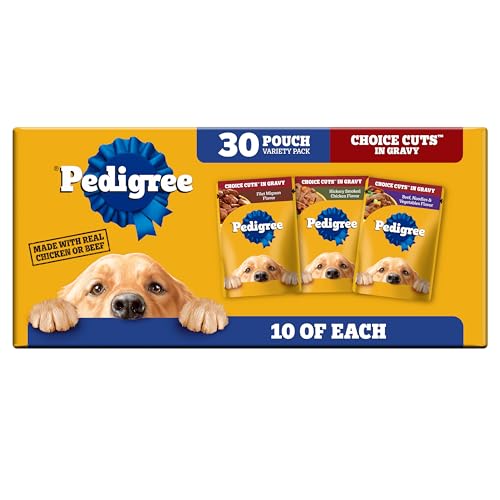
Wet Dog Food for Dogs: The Complete Guide
Everything you need to know about canned and wet dog food — from hydration benefits and picky eater solutions to choosing the right formula for seniors, puppies, and dogs with sensitive stomachs.
Wet dog food — also called canned dog food or moist food — has come a long way from the generic, mystery-meat products of decades past. Today's premium wet foods are formulated with high-quality animal proteins, targeted nutrition, and palatability that even the fussiest dogs can't resist. For many dog owners, wet food is no longer a special treat but a core part of a balanced feeding strategy.
Whether you're dealing with a picky eater who turns their nose up at kibble, a senior dog who struggles with hard food, or simply want to boost your dog's hydration, understanding how wet dog food works — and how to use it correctly — can dramatically improve your dog's health and quality of life. This guide breaks down everything you need to know before making a purchase decision.
What Is Wet Dog Food?
Wet dog food is a moisture-rich dog food that typically contains 70-80% water, compared to just 10% in dry kibble. It comes in cans, trays, and pouches, and is available in a wide range of textures — from pâté and loaf to chunks in gravy, shredded meat, and stew-style preparations. The high moisture content is not just a filler: it's the defining characteristic that gives wet food its unique benefits and drawbacks.
Nutritionally, quality wet dog foods are complete and balanced, meeting the same AAFCO (Association of American Feed Control Officials) standards as dry food. This means they provide all the protein, fat, vitamins, and minerals your dog needs when fed in the correct amounts. The key difference is density: because wet food contains so much water, your dog needs to eat a larger volume to meet their caloric requirements compared to dry kibble.
Key Fact: Wet dog food is not inherently "better" or "worse" than dry food. It's a different format with different strengths. The best choice depends on your dog's individual needs — their age, health status, dental condition, appetite, and your feeding preferences.
Key Benefits of Wet Dog Food
Wet food offers several evidence-based advantages that make it an excellent choice for many dogs. Here are the most important ones to consider:
1. Superior Hydration Support
The most obvious benefit is water content. Dogs fed exclusively on dry food may not drink enough water on their own, especially older dogs whose thirst drive diminishes with age. Wet food delivers hydration with every meal, which supports kidney function, urinary tract health, and overall cellular function. For dogs prone to urinary crystals or kidney disease, this moisture boost is genuinely therapeutic. If your dog has kidney issues, our guide on wet dog food for senior dogs with kidney problems covers specialized formulas.
2. High Palatability for Picky Eaters
Wet food's strong aroma, meaty texture, and moisture make it significantly more appealing to dogs than dry kibble. If your dog has become a finicky eater — turning up their nose at meals, walking away from the bowl, or leaving food uneaten — wet food is often the solution. The scent alone triggers appetite in ways that dry food simply cannot match. Owners dealing with a dog who won't eat dog food but will eat treats often find that wet food bridges the gap.
3. Easier Eating for Seniors and Dental Issues
Senior dogs, dogs with missing teeth, and dogs recovering from dental surgery often struggle with hard kibble. Wet food's soft texture requires minimal chewing, making mealtime comfortable rather than painful. This is especially important for older dogs who may have periodontal disease or loose teeth that make hard food difficult to manage. Our guide on best dog food for older small dogs with few teeth explores this further.
4. Gentle on Sensitive Stomachs
Many wet foods are formulated with easily digestible proteins and gentle fibers that can be easier on a dog's digestive system than dry kibble. The moisture content also helps soften stool and support regularity. For dogs with chronic digestive issues, wet food can be part of a successful management strategy — particularly when paired with limited-ingredient formulas. See our dedicated guide on wet dog food for dogs with sensitive stomachs for specific recommendations.
5. Weight Management Support
Counterintuitively, wet food can help with weight management. The high water content means a larger volume of food for fewer calories, which helps dogs feel fuller and more satisfied after meals. Dogs on wet food often show reduced begging behavior because their stomachs are physically fuller. For overweight dogs, a calorie-controlled wet food can be an effective tool alongside proper portion control and exercise.
6. Medication Delivery
Getting a dog to take medication can be a daily battle. Wet food's strong flavor and malleable texture make it an excellent vehicle for hiding pills, powders, and liquid medications. Most dogs will happily consume medication mixed into a spoonful of wet food — eliminating the stress and wasted pills that come with traditional pill-popping methods.
Types of Wet Dog Food
Not all wet dog foods are created equal. The format, texture, and formulation vary significantly depending on the brand and product line. Understanding the different types helps you choose the right one for your dog.
Pâté / Loaf
Smooth, ground texture similar to meatloaf. The most common and widely available format. Easy to portion, slice, or mash. Ideal for mixing with kibble or hiding medication. Excellent for dogs who need soft food.
Most versatileChunks in Gravy
Distinct pieces of meat suspended in a savory gravy or sauce. Highly palatable and aromatic. The gravy adds extra moisture and flavor. Often the top choice for extremely picky eaters. Can be messier to serve.
Best for picky eatersShredded / Flaked
Thin shreds or flakes of meat in broth or jelly. Closest texture to real cooked meat. Very appealing to dogs who prefer recognizable meat textures. Often used as a topper or mixer rather than a complete meal.
Natural textureStew / Casserole
Meat chunks combined with visible vegetables (carrots, peas, sweet potato) in a rich sauce. Often marketed as premium or "home-style" options. Appeals to owners who want to see recognizable ingredients in their dog's food.
Premium tierComplete vs Complementary
Complete wet foods meet AAFCO nutritional standards and can be fed as the sole diet. Complementary wet foods are intended as toppers or mixers and are not nutritionally complete alone. Always check the label — the distinction matters.
Critical distinctionPrescription / Therapeutic
Veterinary-formulated wet foods designed for specific medical conditions — kidney disease, urinary crystals, digestive disorders, food allergies, and more. Require a veterinary prescription. Never substitute with over-the-counter food without vet approval.
Vet-directedWet vs Dry Dog Food: Full Comparison
The wet vs dry debate has raged for years, and the truth is that neither format is universally superior. Each has clear advantages and drawbacks. Here's a comprehensive comparison to help you make an informed decision.
| Factor | Wet Dog Food | Dry Dog Food |
|---|---|---|
| Moisture Content | 70–80% water — excellent hydration | 10% water — requires separate water intake |
| Palatability | Very high — strong aroma, meaty texture | Moderate — some dogs become bored |
| Dental Health | Little to no mechanical cleaning effect | Kibble abrasion helps reduce plaque |
| Convenience | Requires refrigeration after opening; shorter shelf life | Easy to store, portion, and serve; long shelf life |
| Cost per Calorie | Higher — more volume needed, higher packaging cost | Lower — more calorie-dense, efficient packaging |
| Calorie Density | Lower — roughly 80-100 kcal per 3 oz can (varies) | Higher — roughly 300-400 kcal per cup (varies) |
| Best For | Picky eaters, seniors, dental issues, hydration needs, sensitive stomachs | Budget-conscious owners, dogs prone to dental disease, free-feeding setups |
| Feeding Volume | Larger volume — may be an issue for small stomachs | Smaller volume — concentrated nutrition |
| Storage | Unopened: 1-2 years. Opened: refrigerate, use within 3-5 days | Unopened: 1-2 years. Opened: store in sealed container, use within 4-6 weeks |
Many owners choose a hybrid approach: feeding a base of dry kibble mixed with a spoonful or two of wet food. This combines the dental benefits and cost-efficiency of dry food with the palatability and hydration benefits of wet food. Our guide on best wet dog food to mix with dry food for puppies explains how to do this correctly for growing dogs.
How to Choose the Best Wet Dog Food
With hundreds of wet food products on the market, how do you separate quality from marketing hype? Here are the key factors to evaluate before buying:
1. Check for AAFCO Compliance
The Association of American Feed Control Officials (AAFCO) sets nutritional standards for pet food. Look for a statement on the label that says the food is "complete and balanced" for your dog's life stage — either "adult maintenance," "growth" (for puppies), or "all life stages." This is the single most important quality indicator. Without this statement, the food may not meet your dog's basic nutritional needs.
2. Examine the Ingredient List
Ingredients are listed by weight before processing. Look for:
- Named animal proteins first: "Chicken," "beef," "turkey," or "salmon" — not generic "meat" or "poultry."
- Whole ingredients: Real meat, organs, and whole grains are preferable to by-products and meals, though quality by-products are not inherently unhealthy.
- Named fats: "Chicken fat" or "salmon oil" rather than anonymous "animal fat."
- Limited artificial additives: Avoid foods with excessive artificial colors, flavors, or preservatives (BHA, BHT, ethoxyquin).
3. Match Your Dog's Life Stage
Puppies, adults, and seniors have different nutritional requirements. Puppy wet food contains higher protein and calories to support growth. Senior formulas are typically lower in calories, higher in fiber, and enriched with joint-supporting nutrients. Feeding the wrong life stage can lead to deficiencies or excesses. For senior-specific guidance, see our detailed resource on wet dog food for senior dogs with sensitive stomach.
4. Consider Texture and Palatability
If your dog is a picky eater, the texture matters as much as the nutrition. Some dogs prefer smooth pâté they can lick; others prefer chunky pieces they can pick up and chew. Gravy-based foods tend to be the most aromatic and appealing. If your dog has a favorite texture, choose a product that matches.
5. Account for Cost per Calorie
Wet food often appears more expensive per can, but remember that the water content means your dog needs to eat more volume to get the same calories. To compare fairly, calculate the cost per 100 calories. You may find that some wet foods are not as expensive as they first appear — and some premium dry foods are more expensive than expected. For dogs with specific needs, the health benefits may justify a higher-tier product.
Practical Tip: If you're unsure whether a wet food is "complete," check the feeding guidelines on the label. Complete foods provide feeding amounts that constitute a full daily ration. Complementary foods are labeled as "toppers," "mixers," or "supplements" and may show much smaller feeding amounts.
Wet Food for Dogs with Special Dietary Needs
Wet food's flexibility makes it an excellent choice for dogs with specific health conditions or dietary requirements. Here's how to navigate the most common special-needs scenarios:
Puppies and Growth
Puppies have high energy and nutrient requirements. Wet puppy food provides concentrated nutrition in a soft, easy-to-eat format that's ideal for small mouths and developing teeth. Many breeders and vets recommend a mix of wet and dry puppy food to support healthy growth while introducing different textures. For a detailed look at feeding puppies, see our guide on best wet dog food to mix with dry for puppies.
Sensitive Stomachs
Dogs with sensitive stomachs benefit from wet food's moisture and gentle texture, but the specific formula matters just as much as the format. Look for limited-ingredient diets with novel proteins (like venison, duck, or salmon) and no common allergens. Our resource on best wet dog food for small dogs with sensitive stomachs provides specific recommendations and ingredient insights.
Senior Dogs
Aging dogs often face a combination of challenges: reduced appetite, dental problems, decreased kidney function, and lower energy needs. Senior wet food formulas address these by providing highly palatable, soft-textured meals with controlled calories, increased moisture, and added joint support. For senior dogs with digestive issues, our article on best wet dog food for senior dogs with sensitive stomachs covers formulas that are both gentle and nutritionally complete.
Weight Management
Dogs needing to lose weight can benefit from wet food's high moisture content — the larger volume helps them feel full while consuming fewer calories. A reduced-calorie wet food combined with portion control and regular exercise is an effective weight loss strategy. Check our weight control dog food resource for a broader look at weight management options.
Feeding & Transitioning Tips
Switching to wet food — or introducing it alongside dry — requires a thoughtful approach to avoid digestive upset and ensure your dog gets adequate nutrition.
How Much Wet Food to Feed
Wet food is roughly 70-80% water, so the feeding volume is significantly higher than dry food. Always start with the manufacturer's feeding guidelines based on your dog's weight, then adjust based on body condition. A dog who is gaining weight on the recommended amount needs less food; a dog who is losing weight needs more. Your veterinarian can help you calculate the exact calorie needs for your dog's age, size, and activity level.
Transitioning from Dry to Wet
Sudden diet changes can cause diarrhea, vomiting, and refusal to eat. Transition gradually over 7-10 days:
- Days 1-2: Feed 75% current food, 25% new wet food.
- Days 3-4: Feed 50% current food, 50% new wet food.
- Days 5-7: Feed 25% current food, 75% new wet food.
- Days 8-10: Feed 100% new wet food.
If your dog shows signs of digestive upset at any stage, slow the transition further. Some dogs need 2-3 weeks to adjust fully. If diarrhea persists beyond a few days, consult your veterinarian.
Mixing Wet and Dry
Mixing wet and dry food is a popular and practical approach. It adds moisture and flavor to kibble, making it more appealing to picky eaters, and it allows you to combine the dental benefits of dry food with the hydration benefits of wet. When mixing, reduce the amount of dry food to account for the calories in the wet food, and always serve the mixture immediately — don't let wet food sit out for extended periods.
Feeding Schedule
Adult dogs should be fed twice daily — morning and evening — at consistent times. Puppies under 6 months need 3-4 meals per day. Wet food should be served at room temperature or slightly warmed (not hot) to enhance aroma and palatability. If your dog doesn't finish their meal within 20-30 minutes, remove the bowl and refrigerate leftovers. Don't leave wet food out for hours, as bacteria can multiply rapidly.
Storage & Safety
Proper storage is essential to prevent foodborne illness and maintain the nutritional quality of wet dog food. Follow these guidelines:
- Unopened cans: Store in a cool, dry place. Check the expiration date and use within the recommended timeframe. Avoid storing cans in extreme heat or direct sunlight.
- Opened cans: Transfer leftover wet food to a sealed container (glass or BPA-free plastic) and refrigerate immediately. Use within 3-5 days. Never leave opened wet food at room temperature for more than 2 hours.
- Do not freeze canned food in the can: The can may burst or the lining may degrade. Transfer to a freezer-safe container if you need to freeze leftovers.
- Serve at room temperature: Cold food straight from the fridge may be less palatable. Let it sit out for 10-15 minutes before serving, or warm it gently in a water bath — never microwave in the can.
- Discard uneaten portions: If your dog doesn't finish their meal within 30 minutes, throw away the leftovers rather than saving them for the next meal. Bacterial growth is rapid in moist food.
Signs of Spoiled Wet Food: Off odors, bubbling, mold, discoloration, or a change in texture. If in doubt, throw it out — the risk of food poisoning is not worth it. Always check the can for dents or damage before opening, as compromised seals can allow bacteria to enter.
Frequently Asked Questions
Ready to Choose the Best Wet Food for Your Dog?
Browse our curated selection of highly-rated wet dog food products — from entry-level options to premium formulas for special dietary needs.
View Recommended Wet Dog Foods →