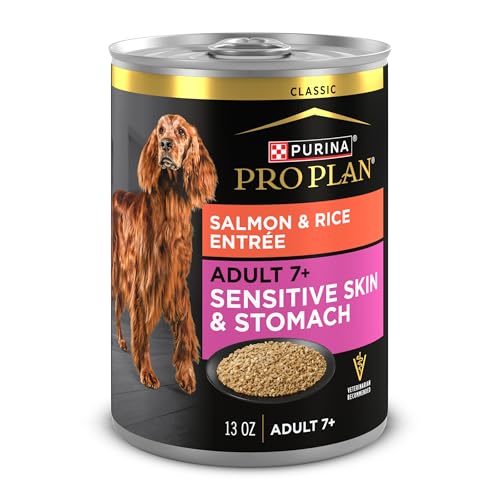
Wet Dog Food for Senior Dogs with Sensitive Stomachs
Choosing the right canned food for an older dog with digestive sensitivities can be tricky. This guide breaks down what to look for, what to avoid, and how to keep your senior companion comfortable and well-nourished.
As dogs age, their digestive systems become more sensitive. The enzymes that break down food become less efficient, the intestinal lining becomes more fragile, and the stomach may be more easily upset by rich or heavily processed foods. For senior dogs with sensitive stomachs, wet dog food can be a gentler, more digestible option than traditional kibble.
But not all wet foods are created equal. Many canned products contain artificial preservatives, high levels of fat, or low-quality fillers that can trigger digestive upset. This guide will help you identify the best wet dog food for senior dogs with sensitive stomachs, so you can make an informed choice that supports your dog's comfort and long-term health.
Why Wet Food Helps Senior Digestion
Wet dog food offers several advantages for older dogs with sensitive digestive systems. Understanding these benefits will help you decide whether canned food is the right choice for your senior companion.
- Higher moisture content: Wet food typically contains 70 to 80 percent water, compared to roughly 10 percent in dry kibble. This extra hydration supports kidney function, helps prevent dehydration (a common concern in older dogs), and softens stool, making digestion and elimination easier.
- Easier to chew and swallow: Senior dogs often have dental issues, missing teeth, or weakened jaw muscles. Wet food requires minimal chewing, reducing strain and making mealtime more comfortable.
- Gentler on the stomach: The soft texture and higher moisture content make wet food easier for the stomach to process. Many senior-specific wet foods are formulated with easily digestible proteins and carbohydrates that reduce the workload on the digestive system.
- More palatable: Older dogs often experience reduced appetite due to age, medication, or illness. The strong aroma and soft texture of wet food are more appealing, encouraging picky eaters to finish their meals.
- Lower calorie density: Wet food contains fewer calories per ounce than dry food, which can help prevent weight gain in less active senior dogs. However, portion control still matters.
Did You Know? Senior dogs are more prone to dehydration because their thirst drive diminishes with age. Feeding wet food is one of the easiest ways to increase their daily water intake without forcing them to drink more.
Key Ingredients to Look For
When shopping for wet dog food for a senior dog with a sensitive stomach, read the ingredient label carefully. The right ingredients can soothe digestion, while the wrong ones can trigger flare-ups.
High-Quality Protein Sources
Protein is essential for maintaining muscle mass in aging dogs. Look for a named animal protein as the first ingredient — such as chicken, turkey, salmon, lamb, or whitefish. These are more digestible than generic "meat" or "meat by-products." For dogs with protein sensitivities, limited-ingredient formulas with a single novel protein source (like venison or duck) may be preferable.
Easily Digestible Carbohydrates
Senior dogs with sensitive stomachs often do best with gentle carbohydrate sources. Look for sweet potato, pumpkin, rice, or oatmeal. These provide energy without irritating the digestive tract. Pumpkin, in particular, is rich in fiber and can help regulate bowel movements.
Prebiotics and Probiotics
Some premium wet foods include prebiotics (like chicory root or FOS) and probiotics to support gut health. These ingredients help maintain a healthy balance of bacteria in the digestive tract, which is especially important for senior dogs whose gut microbiome may be less resilient.
Omega Fatty Acids
Omega-3 and omega-6 fatty acids support skin and coat health, reduce inflammation, and can help with joint comfort. Look for ingredients like fish oil, flaxseed, or salmon in the formula.
Added Vitamins and Minerals
Senior dogs have different nutritional needs than younger dogs. Look for formulas that include added vitamins E and C (antioxidants), glucosamine and chondroitin (joint support), and appropriate levels of calcium and phosphorus for kidney health.
Ingredients and Additives to Avoid
Just as important as what you include is what you exclude. These ingredients are common triggers for digestive upset in senior dogs.
- Artificial preservatives: BHA, BHT, and ethoxyquin are synthetic preservatives that can be harsh on a sensitive digestive system. Choose foods preserved naturally with vitamin E or rosemary extract.
- Artificial colors and flavors: These add no nutritional value and can trigger allergic reactions or stomach upset. There is no reason for dog food to be brightly colored.
- Wheat, soy, and corn: These common fillers are frequent allergens and can be difficult for senior dogs to digest. Many sensitive-stomach formulas are grain-free or use alternative grains like rice or oatmeal.
- High-fat content: While fat is an essential nutrient, very high-fat foods can trigger pancreatitis or cause loose stools in sensitive dogs. Look for moderate fat levels and avoid formulas with added fat as a primary ingredient.
- By-products and meat meals: Generic "meat by-products" or "poultry meal" can contain low-quality parts and are more likely to cause digestive issues. Choose foods with named muscle meats.
- Dairy: Many dogs are lactose intolerant, and dairy can cause diarrhea and gas. Avoid foods containing cheese, milk, or whey.
Pro Tip: If your senior dog has a diagnosed condition like kidney disease or pancreatitis, consult your veterinarian before choosing a wet food. Therapeutic diets are formulated for specific medical needs and may be more appropriate than over-the-counter options. You can also explore our guide to wet food for senior dogs with kidney problems.
Types of Wet Food Formulas for Senior Dogs
Wet dog food comes in several formats, each with its own advantages. Understanding the differences will help you choose the best option for your dog's needs and your lifestyle.
Pâté Formulas
Smooth, ground texture that is easy to eat and digest. Pâté is the most common wet food format and is ideal for senior dogs with dental issues. It can be easily mixed with water or other foods and is available in many limited-ingredient options.
Mid-range to premiumStew and Chunky Formulas
Contains visible chunks of meat and vegetables in gravy. These are more palatable for picky eaters and provide texture variety. However, they may contain higher sodium levels and added thickeners. Choose versions with recognizable ingredients.
Entry-level to mid-rangeLimited-Ingredient Formulas
Contain a short list of carefully selected ingredients — typically one protein source, one carbohydrate, and essential nutrients. These are the best choice for dogs with known food sensitivities or allergies. They reduce the risk of triggering a reaction.
Premium to luxurySenior-Specific Formulas
Formulated with lower calories, added joint support, and easily digestible ingredients to meet the specific needs of aging dogs. These often include antioxidants, omega fatty acids, and adjusted protein levels for senior health.
Mid-range to premiumFor dogs with particularly sensitive stomachs, you may want to explore our guide to wet food for small dogs with sensitive stomachs or wet food for dogs with sensitive stomachs for more specific recommendations.
Dry vs Wet Food: What's Better for Senior Dogs?
Both dry and wet food have their place in a senior dog's diet. The best choice depends on your dog's individual needs, health status, and preferences. Here's how they compare:
| Factor | Wet Food | Dry Food |
|---|---|---|
| Moisture Content | 70–80% — excellent for hydration | ~10% — requires more water intake |
| Digestibility | Higher — softer, easier to break down | Lower — harder kibble takes more effort |
| Dental Health | Less mechanical scraping | Provides some plaque reduction |
| Palatability | High — strong aroma, soft texture | Moderate — some dogs tire of kibble |
| Calorie Density | Lower — easier to manage weight | Higher — easier to overfeed |
| Convenience | Requires refrigeration after opening | Easy to store and serve |
| Cost | Higher per calorie | Lower per calorie |
For senior dogs with sensitive stomachs, wet food often has the edge due to its higher moisture and easier digestibility. However, some owners prefer to feed a combination of wet and dry food to balance the benefits of both. If you choose to mix, introduce the wet food gradually and monitor your dog's digestion. You can also read our guide on dry food for senior dogs with sensitive stomachs if you prefer to keep some kibble in the diet.
How to Transition Your Senior Dog Safely
Switching foods is a common trigger for digestive upset, especially in senior dogs with sensitive stomachs. A gradual transition gives the digestive system time to adjust and minimizes the risk of diarrhea or vomiting.
- Days 1–3: Mix 25% new wet food with 75% of the current food. Feed this ratio for three days and monitor for signs of digestive upset.
- Days 4–6: Increase to 50% new food and 50% old food. If stools remain firm and there is no vomiting, continue.
- Days 7–9: Move to 75% new food and 25% old food. Watch for any changes in appetite or stool quality.
- Day 10 onward: Transition to 100% new food. If at any point you notice loose stools, vomiting, or loss of appetite, slow down and return to the previous ratio for a few more days.
Important: If your dog has a history of severe digestive issues, pancreatitis, or food allergies, consult your veterinarian before switching foods. They can recommend a specific formula and transition schedule that is safe for your dog's condition.
Feeding Tips for Senior Dogs with Sensitive Stomachs
Once you've found the right wet food, how you feed it matters just as much as what you feed. These tips will help you support your senior dog's digestion and overall well-being.
- Feed smaller, more frequent meals: Instead of one or two large meals, offer three to four smaller meals throughout the day. This reduces the workload on the digestive system and helps prevent bloating and discomfort.
- Warm the food slightly: Senior dogs often have a reduced sense of smell, which can affect appetite. Gently warming the food to body temperature enhances the aroma and makes it more appealing. Never serve food hot — test it on your wrist first.
- Add water or broth: If your dog needs extra hydration, mix a little warm water or low-sodium dog-safe broth into the wet food. This also creates a gravy-like texture that many dogs enjoy.
- Monitor body condition: Senior dogs are prone to weight gain due to reduced activity. Check your dog's body condition regularly — you should be able to feel the ribs but not see them. Adjust portion sizes as needed.
- Keep a feeding schedule: Consistency helps regulate digestion. Feed at the same times each day and avoid free-feeding, which can lead to overeating and digestive upset.
- Store leftovers properly: Once opened, canned food should be refrigerated and used within two to three days. Discard any food that has been left out at room temperature for more than two hours.
For dogs with specific dietary needs, you may also want to explore our guide on dog food for dogs with allergies and sensitive stomachs or soft dry food for dogs with bad teeth if your senior dog has dental issues as well.
Frequently Asked Questions
Final Thoughts
Choosing the right wet dog food for a senior dog with a sensitive stomach is about more than just picking a can off the shelf. It requires reading labels, understanding your dog's individual needs, and being willing to transition slowly. Prioritize high-quality protein, easily digestible carbohydrates, and gentle formulas without artificial additives. And always consult your veterinarian if you have concerns about your dog's digestion or overall health. With the right food and a little patience, you can help your senior companion enjoy comfortable, nourishing meals every day.