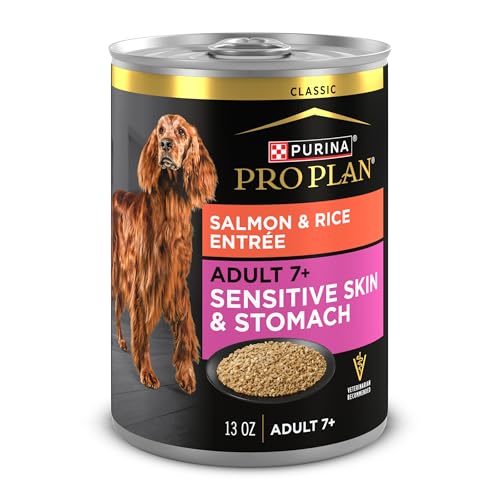
Wet Dog Food for Dogs with Sensitive Stomachs
Discover how to choose the right canned food to soothe your dog's digestive issues, prevent upset, and support long-term gut health — without the guesswork.
A dog with a sensitive stomach can turn mealtime into a source of stress for both of you. One wrong bite and you're cleaning up diarrhea at 2 a.m. or watching your dog refuse food for days. If your dog frequently experiences gas, loose stools, vomiting, or appetite loss after eating, the problem may not be the amount of food — it may be the type of food.
Wet dog food has become a go-to solution for owners of dogs with digestive sensitivities, and for good reason. Its higher moisture content, softer texture, and often simpler ingredient profiles make it easier on the gastrointestinal tract. But not all wet foods are created equal — some are loaded with fillers, artificial additives, and common allergens that can make things worse. This guide walks you through exactly what to look for, what to avoid, and how to transition your dog safely. If you're also comparing formats, our broader guide to wet dog food for dogs covers the full category.
Understanding Canine Sensitive Stomachs
A "sensitive stomach" is not a single diagnosis — it's an umbrella term for dogs who react poorly to certain foods or have a fragile digestive system. Common signs include chronic gas, loose or soft stools, intermittent vomiting, frequent stomach gurgling, and picky eating. Some dogs are born with sensitive digestion; others develop it as they age or after a bout of illness.
The root causes vary widely. Food intolerances (often to chicken, beef, wheat, or dairy), inflammatory bowel disease, parasites, sudden diet changes, and even stress can all contribute. This is why choosing a gentle, easily digestible wet food is often the first and most effective step — but it's not a substitute for veterinary diagnosis if symptoms persist.
Common Triggers of Digestive Upset in Dogs:
• Sudden food changes without a transition period
• High-fat or heavily processed foods
• Common protein allergens (chicken, beef, dairy)
• Artificial preservatives, colors, and flavors
• Overfeeding or free-feeding
• Stress, travel, or changes in routine
Why Wet Food Can Help a Sensitive Stomach
Wet food offers several mechanical and nutritional advantages over dry kibble for dogs with digestive sensitivities. Understanding these benefits helps you decide whether it's the right format for your dog.
- Higher moisture content: Canned food typically contains 70–80% water, compared to 10% in kibble. This extra hydration supports digestion, softens stool, and helps prevent constipation — a common issue in sensitive dogs.
- Easier to digest: The cooking process in wet food partially breaks down proteins and carbohydrates, making them simpler for the digestive system to process. Many dogs absorb nutrients more efficiently from wet food.
- More palatable: Dogs with sensitive stomachs are often picky eaters. Wet food's aroma and texture are far more appealing, which matters when a dog is reluctant to eat.
- Lower carbohydrate load: Many wet foods are higher in protein and lower in carbohydrates than kibble, which can be gentler on dogs with grain sensitivities or carbohydrate intolerance.
- Fewer preservatives needed: The canning and sealing process naturally preserves wet food, so fewer artificial preservatives are required compared to dry food — a plus for sensitive systems.
Did You Know? Many dogs who struggle with dry food thrive on a wet diet simply because of the moisture. Dehydration is an under-recognized contributor to digestive problems, and wet food delivers water with every meal.
Types of Sensitive-Stomach Wet Dog Food
The wet food market has expanded significantly, and several categories are specifically designed for digestive sensitivity. Here's how they compare.
Limited-Ingredient Wet Food
Formulas with a single novel protein source (like salmon, lamb, or turkey) and few other ingredients. Ideal for dogs with suspected food allergies or intolerances, as they minimize exposure to potential triggers.
Premium TierGrain-Free Wet Food
Eliminates wheat, corn, soy, and other grains that some dogs struggle to digest. Often paired with novel proteins. Best for dogs with confirmed grain sensitivities — not universally necessary.
Mid-to-Premium TierHydrolyzed Protein Wet Food
Proteins are broken down into tiny fragments the immune system doesn't recognize, reducing allergic reactions. Typically prescription-only and used for diagnosed food allergies or IBD. Veterinary guidance required.
Prescription TierDigestive-Care Formula Wet Food
Contains added prebiotics, probiotics, and easily digestible fibers like pumpkin or beet pulp. Designed to support gut flora and regularity. A strong entry point for dogs with mild, non-specific sensitivities.
Mid-Range TierPate-Style Wet Food
Smooth, ground texture that's easy to chew and digest. Often lower in fillers than chunk-style foods. Excellent for senior dogs with sensitive stomachs or dental issues. Check our guide to wet dog food for senior dogs with sensitive stomachs.
Entry-to-Mid TierSmall-Breed Sensitive Wet Food
Portioned for smaller mouths and faster metabolisms, with nutrient density tailored to toy and small breeds. Often gentler on digestion due to smaller serving sizes. See our guide to best wet dog food for small dogs with sensitive stomachs.
Mid-Range Tier| Type | Best For | Protein Variety | Digestibility | Vet Guidance? |
|---|---|---|---|---|
| Limited-Ingredient | Suspected allergies | Single novel | High | Recommended |
| Grain-Free | Grain sensitivity | Varies | Moderate–High | Optional |
| Hydrolyzed Protein | Diagnosed allergies / IBD | Hydrolyzed | Very High | Required |
| Digestive-Care Formula | Mild, general sensitivity | Varies | High | Optional |
| Pate-Style | Seniors / dental issues | Varies | High | Optional |
| Small-Breed Formula | Toy & small breeds | Varies | High | Optional |
Key Ingredients to Look For
When reading labels, look for these gut-friendly components. A quality sensitive-stomach wet food should combine a digestible protein source with gentle carbohydrates and functional ingredients.
1. Novel or Single-Source Proteins
Proteins your dog hasn't eaten before are less likely to trigger an immune reaction. Good options include salmon, lamb, turkey, venison, duck, and whitefish. If your dog has tolerated chicken before, a single-source chicken formula can still work — the key is avoiding multiple unfamiliar proteins at once.
2. Easily Digestible Carbohydrates
Sweet potato, white rice, pumpkin, and oatmeal are gentler on the digestive tract than corn, wheat, or soy. Pumpkin, in particular, is rich in soluble fiber and is a well-known natural remedy for both diarrhea and constipation.
3. Prebiotics and Probiotics
Ingredients like chicory root (a prebiotic), beet pulp, and added probiotic strains support healthy gut flora. These are especially valuable for dogs with chronic digestive issues.
4. Omega-3 Fatty Acids
Fish oil and flaxseed provide anti-inflammatory omega-3s that can soothe an inflamed digestive tract and improve coat condition as a bonus.
5. High Moisture Content
Aim for wet foods with 75% or higher moisture. This supports hydration and softer, easier-to-pass stools.
Label Tip: The first ingredient should be a named protein — like "salmon" or "lamb" — not a vague "meat" or "poultry" by-product. Named sources are more transparent and generally higher quality.
Ingredients to Avoid
Equally important is knowing what to steer clear of. These ingredients are common culprits behind digestive upset and should be avoided in any sensitive-stomach formula.
- Artificial preservatives: BHA, BHT, and ethoxyquin have been linked to health concerns and can irritate sensitive systems. Choose naturally preserved foods instead.
- Artificial colors and flavors: Purely cosmetic additives that serve no nutritional purpose and can trigger reactions.
- By-products of unknown origin: "Meat by-products" or "poultry by-products" can include low-quality parts and are less digestible than named muscle meat.
- Excessive fillers: Corn, wheat, soy, and cellulose are common cheap fillers that offer little nutrition and can cause gas or allergic reactions.
- Common allergens: If your dog has reacted to chicken, beef, or dairy before, avoid formulas containing them. This is where limited-ingredient foods shine.
- Added sugars and sweeteners: Unnecessary and potentially harmful. Dogs don't need sugar in their food.
- High-fat formulas: Excess fat can trigger pancreatitis and worsen digestive upset. Stick to moderate-fat recipes.
Red Flag: If a can lists "meat and animal derivatives" without specifying the source, or contains more than one protein your dog hasn't tried, put it back on the shelf. Transparency matters for sensitive dogs.
How to Choose the Right Wet Food
With dozens of options on the market, narrowing down the right food can feel overwhelming. Follow this practical framework to make a confident choice.
- Identify your dog's triggers. Keep a food diary and note which proteins or ingredients correlate with symptoms. This is the single most useful piece of data you can gather.
- Choose a single novel protein. Pick a protein your dog has not eaten before, or has eaten without issue. Salmon, lamb, and turkey are common safe bets.
- Look for an AAFCO statement. The label should state the food is "complete and balanced" for your dog's life stage. This guarantees nutritional adequacy.
- Check the moisture and protein content. Aim for 75%+ moisture and a moderate-to-high protein level from named animal sources.
- Avoid unnecessary additives. Skip artificial preservatives, colors, and fillers. A shorter, clearer ingredient list is generally better for sensitive dogs.
- Consider veterinary guidance. If your dog has chronic issues, ask your vet about hydrolyzed or prescription diets. Our guide to best dog food for dogs with allergies and sensitive stomachs can help you compare options.
- Start small. Buy a single can or small multipack before committing to a case. Not every "sensitive stomach" formula works for every dog.
Transitioning to Wet Food Safely
The most common cause of digestive upset during a food change is going too fast. A proper transition gives your dog's gut microbiome time to adapt.
The 7–10 Day Transition Schedule
- Days 1–3: 25% new wet food mixed with 75% old food
- Days 4–6: 50% new food, 50% old food
- Days 7–9: 75% new food, 25% old food
- Day 10+: 100% new food
If your dog shows signs of upset at any stage, slow down and hold at the current ratio for a few extra days. Never rush a transition, even if your dog loves the new food.
Mixing Tips
Warm the wet food slightly to release aroma and improve palatability. Mix thoroughly so your dog can't pick out the old food. If you're switching from dry to wet, you may need to reduce the total volume slightly since wet food is less calorie-dense per gram — follow the feeding guide on the can and adjust based on body condition.
Feeding Tips & Routine for Sensitive Stomachs
- Feed smaller, more frequent meals. Two to three smaller meals are easier to digest than one large meal. This reduces the workload on the digestive system.
- Keep a consistent schedule. Dogs thrive on routine. Feed at the same times each day to regulate digestion and prevent hunger-induced vomiting.
- Don't free-feed wet food. Wet food spoils quickly at room temperature. Offer it for 20–30 minutes, then refrigerate any leftovers in a sealed container for up to 2–3 days.
- Avoid table scraps. Human food is a leading cause of digestive upset. Keep treats to a minimum and use the same sensitive-stomach formula as treats if possible.
- Provide fresh water always. Even though wet food adds moisture, fresh water supports digestion and overall health.
- Monitor stool quality. Keep an eye on consistency — it's the fastest feedback signal your dog's gut gives you.
Pro Tip: If your dog has a sensitive stomach and you're considering a mixed diet of wet and dry food, choose a dry formula from the same product line to minimize ingredient variation. Check our guide to best dry dog food for small dogs with sensitive stomachs for matching recommendations.
When to See a Vet
Dietary changes can solve many mild digestive issues, but some symptoms require professional attention. Do not delay a vet visit if your dog shows any of the following:
- Vomiting or diarrhea lasting more than 24–48 hours
- Blood in the stool or vomit
- Lethargy, weakness, or reluctance to move
- Loss of appetite for more than 24 hours
- Visible weight loss
- Frequent stomach upset despite dietary changes
- Signs of pain when you touch their abdomen
These signs can indicate underlying conditions such as inflammatory bowel disease, food allergies, parasites, or organ disease. Your vet may recommend diagnostic tests, a hydrolyzed-protein diet, or medication. For dogs with severe sensitivities, a prescription diet may be the safest long-term solution.
Important: Never give human medications for digestive issues without veterinary guidance. Many common human remedies are toxic to dogs, and the wrong treatment can make things worse. Always consult your vet first.
Frequently Asked Questions
Ready to Make the Switch?
Start by identifying your dog's triggers, selecting a limited-ingredient or digestive-care wet food with a novel protein, and transitioning slowly over 7–10 days. Pair it with a consistent feeding routine and fresh water, and you'll likely see improvements within a few weeks. If your dog's symptoms persist or worsen, don't hesitate to involve your veterinarian — a proper diagnosis is the fastest path to relief. For more breed-specific and symptom-specific recommendations, explore our full library of dog products and dog health guides.