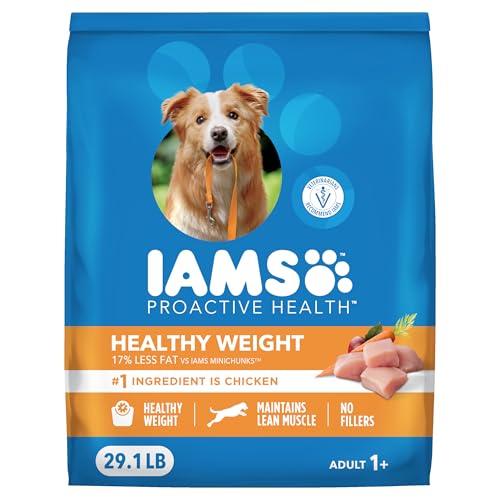
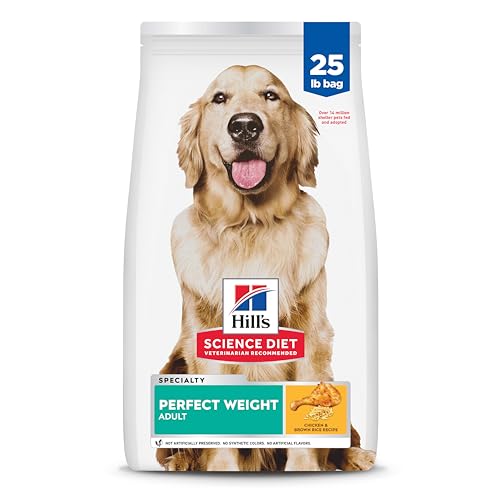
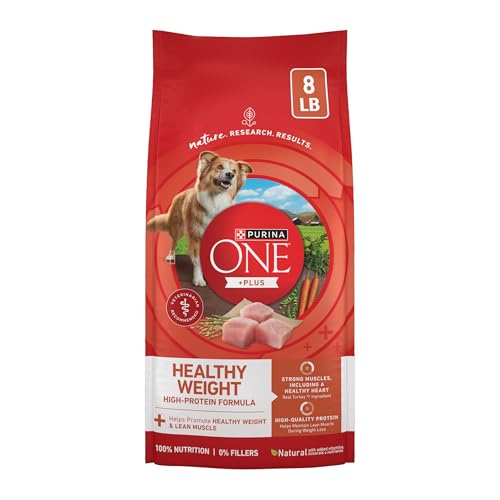
Weight Control Dog Food: A Complete Guide
Your practical guide to choosing weight control dog food, understanding labels, building a safe weight loss plan, and helping your dog reach a healthy weight for a longer, more active life.
If your dog has gained weight, you are not alone. Studies suggest that more than half of pet dogs are overweight or obese. Carrying extra weight increases the risk of joint disease, diabetes, heart problems, and a shortened lifespan. The good news is that weight control dog food, combined with sensible portion management and daily activity, can help your dog return to a healthy body condition.
This guide explains what weight control dog food actually does, how it differs from regular food, and how to use it as part of a safe, vet-approved weight loss plan. Whether your dog is a few pounds over or significantly obese, the principles in this guide will help you make informed decisions before you buy.
Why Dog Weight Matters
Excess weight is more than a cosmetic issue. Every extra pound puts additional stress on your dog's joints, heart, and lungs. Overweight dogs are more likely to develop arthritis, diabetes, and certain cancers. They also tend to tire more easily, which can reduce their quality of life and their willingness to exercise.
On the other hand, studies show that dogs kept at an ideal body condition live noticeably longer than overweight dogs. Weight management is one of the few factors entirely within an owner's control. Choosing an appropriate weight control dog food is the first step in a broader lifestyle change that can add healthy years to your dog's life.
Key Point: Weight control dog food is not a quick fix. It works best when combined with measured portions, limited treats, and regular exercise. A weight loss plan should be supervised by your veterinarian, especially if your dog has existing health conditions.
Signs Your Dog Needs Weight Control
Many owners underestimate their dog's weight because weight gain happens gradually. Use these checks at home to assess whether weight control dog food may be appropriate:
- Ribs are hard to feel: With light pressure, you should be able to feel your dog's ribs without pushing through thick fat. If you cannot find the ribs, your dog may be overweight.
- No visible waist: Looking from above, your dog should have a waist behind the rib cage. A straight or bulging outline suggests excess weight.
- Belly does not tuck up: From the side, the belly should tuck up toward the hind legs. A flat or sagging belly indicates a weight problem.
- Reluctance to exercise: If your dog tires quickly, struggles on walks, or avoids stairs, excess weight may be contributing.
- Slow, labored breathing: Overweight dogs can have reduced stamina and breathing difficulty, especially in heat.
- Skin folds and mats: Extra weight can create folds where skin irritation develops, and overweight dogs may have difficulty grooming themselves.
Important: Before switching to weight control dog food, ask your veterinarian to assess your dog's body condition score (BCS) and calculate a target weight. Sudden changes in appetite or weight can also signal underlying medical problems that should be addressed first.
How Weight Control Dog Food Works
Weight control dog food is formulated to deliver fewer calories while still providing the nutrients your dog needs. It achieves this through several adjustments to the recipe:
- Lower calorie density: Weight control formulas typically contain fewer calories per cup than regular adult food. This means your dog can eat a satisfying portion while consuming fewer total calories.
- Reduced fat content: Fat is calorie-dense, so lowering fat is one of the most effective ways to cut calories. However, fat is also a source of essential fatty acids, so quality formulas retain adequate levels of healthy fats.
- Higher fiber: Added fiber helps your dog feel full between meals and supports digestive health. Fiber also slows digestion, which can reduce begging and food-related anxiety.
- Increased protein: Adequate protein helps preserve muscle mass during weight loss. Muscle is metabolically active tissue, so maintaining it supports a healthy metabolism.
- Added L-carnitine and other nutrients: Some formulas include L-carnitine, an amino acid that supports fat metabolism, as well as balanced vitamins and minerals to prevent deficiencies while calories are restricted.
Weight control food is not a magic solution. It works when portions are measured accurately and treats are limited. Many owners see results when they combine weight control food with a portion measuring bowl and a consistent feeding schedule.
Types of Weight Control Formulas
Weight control dog food comes in several formats. Each has advantages and trade-offs, so choose based on your dog's preferences, health needs, and your routine.
Dry Weight Control Food
The most common and convenient format. Kibble has a long shelf life, is easy to measure, and can help scrape plaque from teeth. Look for formulas with named meat as the first ingredient, moderate fiber, and a guaranteed analysis that shows reduced fat and calories.
Entry-level to premiumWet Weight Control Food
Canned weight control formulas contain higher moisture, which can help with hydration and may be more palatable for picky eaters. Wet food is often lower in calories per volume, but it is more expensive and requires refrigeration after opening. It can be mixed with dry food for variety.
Mid-range to premiumPrescription Weight Loss Diets
Veterinary therapeutic diets are formulated for significant weight loss and are available through your vet. They provide precise calorie control and are often used for dogs with obesity-related health conditions. These are high-end products requiring professional supervision.
High-end / therapeuticSenior Weight Control Formulas
Designed for older dogs who need fewer calories but also benefit from joint support, easily digestible protein, and antioxidants. These formulas combine weight management with age-related nutritional needs. See our guide to dry food for older dogs with dental issues if chewing is a concern.
Mid-range to premiumSmall Breed Weight Control
Small dogs have faster metabolisms and different calorie needs. Small breed weight control kibble is sized appropriately for tiny mouths and often has higher calorie density than large breed formulas. Portion control is especially critical for small dogs because a few extra kibbles can represent a large percentage of daily calories.
Entry-level to mid-rangeLarge Breed Weight Control
Large dogs need joint support alongside weight management. These formulas often include glucosamine and chondroitin, controlled calcium levels, and larger kibble. Weight loss in large breeds should be gradual to protect joints and preserve muscle. See our guide to large breed food for sensitive stomachs for related options.
Mid-range to premiumTip: If your dog has a sensitive stomach, transition slowly over 7-10 days by mixing increasing amounts of the new weight control food with the old food. Sudden diet changes can cause digestive upset. For dogs with known sensitivities, our guide to food for dogs with allergies and sensitive stomachs can help you compare options.
Reading Labels & Ingredients
Not all weight control dog foods are created equal. Understanding the label helps you choose a formula that supports health rather than simply cutting calories.
What to Look For
- AAFCO statement: Look for a statement that the food is complete and balanced for adult maintenance, or for weight management if applicable. This confirms the formula meets recognized nutritional standards.
- Named animal protein first: Ingredients like "chicken," "turkey," or "salmon" should appear at the top of the list. These provide high-quality protein to preserve muscle during weight loss.
- Moderate fat, higher fiber: Compare guaranteed analysis values. Weight control formulas typically have lower fat percentages and higher fiber than regular adult food.
- Calorie content: Look for the calorie statement (kcal per cup or kg). This lets you calculate accurate portions rather than guessing.
- Added L-carnitine: Some formulas include this amino acid to support fat metabolism. It is a helpful bonus, not a requirement.
What to Avoid
- Generic "meat meal" or by-products as the primary protein: These are lower quality and may vary in nutritional content.
- Excessive fillers: Corn, wheat, and soy are not inherently harmful, but they should not dominate a weight control formula that is meant to deliver quality nutrition at lower calories.
- Artificial colors and preservatives: Not dangerous, but unnecessary in a health-focused diet.
- Unclear calorie labeling: If you cannot determine calories per cup, portion control becomes guesswork.
| Feature | Regular Adult Food | Weight Control Food |
|---|---|---|
| Calories per cup | Higher | Lower |
| Fat content | Moderate to high | Reduced |
| Fiber content | Moderate | Higher |
| Protein | Adequate | Often increased to preserve muscle |
| Best for | Active dogs at ideal weight | Overweight dogs or weight maintenance after loss |
Building a Weight Loss Plan
A successful weight loss plan combines the right food, accurate portions, controlled treats, and regular activity. Here is a practical framework you can adapt with your veterinarian.
- Get a veterinary assessment: Your vet should calculate your dog's current weight, body condition score, and target weight. They can also rule out medical causes of weight gain, such as hypothyroidism or Cushing's disease.
- Choose a suitable weight control food: Pick a formula appropriate for your dog's size, age, and health status. Use the options above or ask your vet for a recommendation. Consider a food container to keep the food fresh and make measuring easier.
- Measure portions precisely: Use a kitchen scale or a marked measuring cup. Guessing portions is one of the most common reasons weight loss stalls. Feed according to the calorie target for your dog's target weight, not current weight.
- Account for treats: Treats should make up no more than about 10% of daily calories. Use small, low-calorie treats or pieces of your dog's regular kibble. If you use training treats, reduce the meal portion accordingly. Our guide to dog treats can help you choose lighter options.
- Weigh in regularly: Weigh your dog every 2-4 weeks at the vet or on a pet scale. Adjust portions based on progress. A safe rate of loss is about 1-2% of body weight per week.
- Keep a feeding log: Write down meals, treats, and exercise. This makes it easy to spot overfeeding and track what works.
Note: Puppies, pregnant or nursing dogs, and growing large-breed dogs should not be placed on a weight loss diet unless specifically directed by a veterinarian. Weight control formulas are generally intended for adult dogs.
Exercise & Lifestyle Changes
Diet is the primary driver of weight loss, but exercise supports it by increasing calorie expenditure, maintaining muscle, and improving overall health. Start gradually, especially if your dog is significantly overweight.
Safe Exercise Basics
- Start with short walks: Begin with 10-15 minutes of gentle walking and increase by a few minutes each week. Avoid intense activity until some weight is lost to protect joints.
- Use low-impact activity: Swimming is excellent for overweight dogs because it is easy on the joints. Not all dogs enjoy water, so introduce it carefully.
- Add mental stimulation: Puzzle toys and training sessions burn calories and tire your dog out mentally. See our guide to puzzle toys for dogs for ideas.
- Monitor for discomfort: Watch for excessive panting, limping, or reluctance to move. Stop and consult your vet if these occur.
Everyday Changes That Add Up
- Replace some couch time: A short evening walk instead of TV time can help.
- Use a harness for comfort: A well-fitted harness like those in our dog harnesses guide can make walks more comfortable for a larger dog.
- Set up a feeding routine: Feed at set times and avoid free-feeding, which makes calorie control difficult.
- Make treats count: Use treats for training and enrichment, not boredom. If you need to keep your dog occupied, try interactive dog toys instead of extra snacks.
Common Weight Loss Mistakes
Avoid these pitfalls to keep your dog's weight loss safe and effective:
- Feeding to current weight: Portion guidelines often reflect maintenance for an ideal-weight dog. If your dog is overweight, feeding according to current weight can prevent loss. Use your target weight calorie calculation instead.
- Ignoring treats: A few extra biscuits can erase a calorie deficit. Measure treats just as carefully as meals.
- Cutting food too drastically: Severe calorie restriction can cause muscle loss and nutrient deficiencies. Slow, steady loss is safer and more sustainable.
- Skipping veterinary supervision: Especially for obese dogs or dogs with health conditions, professional oversight is important. Your vet can adjust the plan if progress stalls.
- Not adjusting as weight changes: As your dog loses weight, their calorie needs decrease. Recalculate portions every few weeks to keep progress steady.
- Expecting overnight results: Safe weight loss takes time. A dog needing to lose several pounds may need months of consistent effort.
Caution: If your dog is not losing weight after 4-6 weeks of accurate feeding and exercise, talk to your vet. There may be a medical issue, an underreported treat habit, or a need to adjust the calorie target.
Frequently Asked Questions
Ready to Help Your Dog Reach a Healthy Weight?
Use the guidance in this guide to choose the right weight control dog food, measure portions accurately, and build a safe weight loss plan with your veterinarian. Browse our recommended weight management products below to get started.