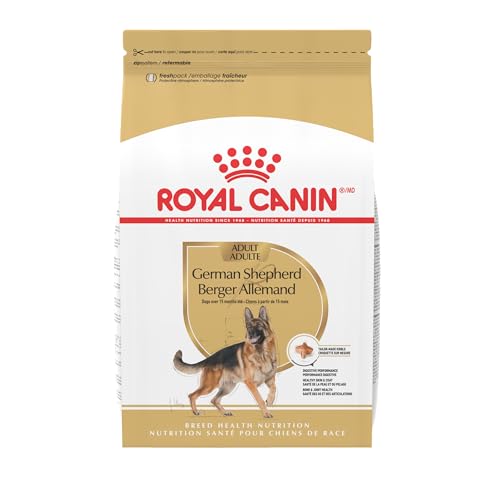
Best Dog Food for German Shepherd with Skin Allergies
Your German Shepherd's itching, scratching, and hair loss may be more than seasonal discomfort. Discover how the right diet can calm skin allergies, restore their coat, and bring relief.
German Shepherds are one of the most popular dog breeds in the world — and also one of the most prone to skin problems. If your German Shepherd is constantly scratching, biting at their paws, losing fur, or dealing with recurring ear infections, you're not alone. Skin allergies are among the most common health complaints in the breed.
The good news? For many German Shepherds, the root cause is directly linked to what's in their food bowl. Choosing the best dog food for German Shepherd with skin allergies can dramatically reduce itching, improve coat condition, and restore your dog's quality of life. This guide walks you through exactly what to look for, which ingredients to avoid, and how to make the switch safely.
Why German Shepherds Are Prone to Skin Allergies
German Shepherds have a genetic predisposition to several skin conditions, including atopic dermatitis (environmental allergies), food allergies, and a condition called pemphigus foliaceus. Their thick double coat can also trap allergens and moisture, creating the perfect environment for skin irritation and secondary infections.
Common triggers for German Shepherd skin allergies include:
- Food allergens: Most commonly beef, chicken, dairy, wheat, and corn. These proteins are often unrecognized by the immune system and trigger an inflammatory response.
- Environmental allergens: Pollen, dust mites, mold spores, and grass. These cause seasonal or year-round itching, especially on the paws, belly, and face.
- Flea allergy dermatitis: A hypersensitivity to flea saliva that causes intense itching, even from a single bite.
- Contact allergies: Reactions to carpets, cleaning products, or certain fabrics.
- Genetic factors: German Shepherds are more likely to develop allergies than many other breeds due to inherited immune system sensitivities.
Did You Know? Food allergies account for roughly 10-15% of all allergic reactions in dogs. Unlike environmental allergies, which are often seasonal, food allergies cause year-round symptoms that don't improve with the seasons. If your German Shepherd itches constantly regardless of weather, food is a likely culprit.
Food Allergies vs. Environmental Allergies
Before you change your dog's food, it helps to understand whether food is actually the problem. The symptoms of food and environmental allergies can look almost identical, but they differ in a few important ways.
Signs of Food Allergies
- Non-seasonal itching that persists year-round
- Recurring ear infections, especially in both ears
- Frequent gastrointestinal upset (vomiting, diarrhea, gas)
- Itching concentrated around the face, ears, paws, and rear end
- Poor response to anti-itch medications
- Skin infections that keep returning after treatment
Signs of Environmental Allergies
- Seasonal patterns — worse in spring or fall
- Itching focused on paws, belly, and face
- Chewing at paws after walks on grass
- Red, watery eyes or runny nose
- Improvement when moved indoors or during winter
- Response to antihistamines or immune-modulating therapy
If your German Shepherd's symptoms are year-round and include digestive issues, a food allergy is highly likely. The gold standard for diagnosis is an elimination diet trial — feeding a novel protein or hydrolyzed protein diet for 8-12 weeks while removing all other food sources. Your veterinarian can guide you through this process.
What to Look for in Dog Food for Allergic German Shepherds
Not all "hypoallergenic" dog foods are created equal. Many products marketed for sensitive skin still contain common allergens or lack the nutritional profile needed to support skin repair. Here's what genuinely matters:
- Novel or hydrolyzed protein: A protein source your dog has never eaten before (like salmon, venison, duck, or kangaroo) is less likely to trigger a reaction. Hydrolyzed proteins are broken down into tiny fragments that the immune system doesn't recognize as allergens.
- Limited ingredients: Fewer ingredients mean fewer opportunities for an allergic reaction. A limited ingredient diet (LID) typically features one protein and one carbohydrate source.
- Omega-3 fatty acids: EPA and DHA from fish oil or flaxseed have natural anti-inflammatory properties that soothe irritated skin, reduce itching, and promote a healthy coat.
- No common allergens: Avoid chicken, beef, wheat, corn, soy, and dairy if your dog has known sensitivities.
- Complete and balanced nutrition: Look for the AAFCO statement confirming the food meets nutritional standards for your dog's life stage. Hypoallergenic doesn't mean nutritionally complete.
- Added vitamins and minerals: Zinc, vitamin E, and biotin support skin health and immune function. These nutrients are especially important during recovery from skin damage.
- Probiotics and prebiotics: A healthy gut supports a healthy immune system. Many allergic dogs benefit from foods containing live probiotics or added fiber.
Pro Tip: The word "hypoallergenic" on a dog food label is not regulated. It's a marketing term, not a guarantee. Always read the ingredient list and look for specific claims like "limited ingredient," "single protein source," or "hydrolyzed protein." For more guidance, see our guide to dog food for allergies and sensitive skin.
Best Protein Sources for German Shepherds with Skin Allergies
The protein source is the single most important factor in choosing a food for an allergic dog. Here are the best options, ranked by their suitability for allergy-prone German Shepherds:
- Salmon and whitefish: Excellent choice. Fish is rich in omega-3 fatty acids that actively reduce skin inflammation. It's also a novel protein for most dogs, meaning it's less likely to trigger existing allergies. Many owners report visible coat improvement within weeks.
- Lamb: A classic novel protein for dogs with chicken or beef allergies. Lamb is nutritious and well-tolerated by most German Shepherds. However, some dogs develop lamb allergies over time, so rotate cautiously.
- Venison: A truly novel protein for most dogs. Venison is lean, highly digestible, and rarely triggers allergic reactions. It's often found in premium limited ingredient diets.
- Duck: Another novel protein that's well-tolerated by many allergic dogs. Duck is rich in iron and B vitamins. Look for single-protein duck formulas without chicken by-products.
- Kangaroo: An exotic but highly effective novel protein. Kangaroo meat is lean and rarely allergenic. It's a top-tier option for dogs with multiple food sensitivities.
- Hydrolyzed chicken or soy: In hydrolyzed form, the protein molecules are broken down so small that the immune system doesn't recognize them. These diets are prescription-only and often the most reliable option for severe allergies.
Avoid These Proteins: Chicken, beef, dairy, and eggs are the most common triggers for food allergies in German Shepherds. If your dog has been eating a chicken-based diet for years, a chicken allergy is the first thing to rule out. For more food options, see our guide to the best dog food for dogs with allergies and skin problems.
Types of Hypoallergenic Dog Food
There are several approaches to hypoallergenic feeding, each with its own advantages and considerations:
Limited Ingredient Diet (LID)
Features one protein and one carbohydrate source. Ideal for dogs with known food sensitivities. Easy to identify potential triggers. Requires careful label reading to ensure no hidden allergens.
Mid-range to PremiumHydrolyzed Protein Diet
Protein molecules are broken down so small the immune system doesn't recognize them. Most reliable option for severe allergies. Prescription-only. Often used for elimination diet trials.
Premium to LuxuryGrain-Free Diet
Eliminates wheat, corn, soy, and rice. Helpful if your dog has grain sensitivities. Use with caution — the FDA has investigated potential links between grain-free diets and heart disease in some dogs. Consult your vet.
Mid-range to PremiumFish-Based Diet
Salmon, whitefish, or sardine as the primary protein. Rich in omega-3s for skin health. Novel protein for most dogs. Excellent choice for German Shepherds with itchy, inflamed skin.
Mid-range to PremiumNovel Protein Diet
Uses proteins your dog has never eaten before — venison, duck, kangaroo, or rabbit. Avoids triggering existing allergies. Often combined with limited ingredient principles.
PremiumVeterinary Prescription Diet
Formulated specifically for dogs with diagnosed allergies. Includes hydrolyzed protein, novel protein, and skin-support formulas. Requires a veterinary prescription. Most reliable for severe cases.
LuxuryComparison of Diet Options
The following table compares the main hypoallergenic diet approaches side by side:
| Diet Type | Best For | Key Advantage | Consideration |
|---|---|---|---|
| Limited Ingredient | Mild to moderate allergies | Easy to identify triggers | Requires careful label reading |
| Hydrolyzed Protein | Severe allergies, elimination trials | Most reliable allergy relief | Prescription required, premium tier |
| Grain-Free | Grain-sensitive dogs | Eliminates common grain allergens | Discuss heart health concerns with vet |
| Fish-Based | Dogs with environmental allergies | Omega-3s soothe skin inflammation | Choose wild-caught, single-source fish |
| Novel Protein | Dogs with multiple protein allergies | Avoids previously eaten proteins | Novel proteins can become allergens over time |
| Prescription Diet | Severe, chronic allergies | Veterinarian-formulated and tested | Requires ongoing veterinary supervision |
How to Transition Foods Safely
Switching your German Shepherd's food too quickly can cause digestive upset and make it harder to identify whether the new diet is working. Follow this gradual transition schedule over 7-10 days:
- Days 1-2: 75% old food + 25% new food. Watch for any digestive changes.
- Days 3-4: 50% old food + 50% new food. Stools should remain firm.
- Days 5-6: 25% old food + 75% new food. Most dogs adjust comfortably by this point.
- Days 7-10: 100% new food. Monitor skin and coat condition over the next 6-8 weeks.
Important: During an elimination diet trial, your dog cannot eat anything other than the prescribed food. That means no treats, no table scraps, no flavored medications, and no rawhides or dental chews that contain allergens. Even a small amount of an allergen can trigger a reaction and invalidate the trial. Ask your vet about hypoallergenic treats if needed.
If your dog has digestive sensitivity in addition to skin allergies, a slower transition may be necessary. Some owners find that adding a probiotic during the transition helps prevent diarrhea. For dogs with sensitive stomachs, see our guide to dry dog food for German Shepherds with sensitive stomachs.
Ingredients to Avoid
When reading dog food labels for an allergic German Shepherd, avoid these common triggers:
- Chicken and poultry by-products: The most common allergen in dog food. Found in countless formulas, even some labeled "sensitive skin."
- Beef: Another top allergen. Avoid beef tallow, beef meal, and beef by-products.
- Wheat, corn, and soy: Common fillers that can trigger reactions in sensitive dogs. Also lower-quality protein sources.
- Dairy: Many dogs are lactose intolerant, and dairy proteins can trigger allergic reactions.
- Artificial colors, flavors, and preservatives: BHA, BHT, ethoxyquin, and artificial dyes can exacerbate skin inflammation in sensitive dogs.
- Generic "meat meal" or "animal by-products": These vague terms can include rendered meats from unknown sources — often the exact proteins your dog is allergic to.
- Eggs: A less common but still significant allergen for some dogs.
It's equally important to understand that dog food for allergies and sensitive skin is not one-size-fits-all. A food that works perfectly for one German Shepherd may trigger reactions in another. The key is trial and observation.
Supplements & Extra Support for Skin Health
Diet is the foundation, but some dogs benefit from additional support to repair damaged skin and calm inflammation:
- Fish oil (omega-3): The most evidence-backed supplement for canine skin health. EPA and DHA reduce inflammation, improve coat shine, and reduce itching. Look for a product with a guaranteed analysis of EPA and DHA, not just "fish oil" on the label. See our guide to dog fish oil benefits.
- Probiotics: Support gut health, which is closely linked to immune function and skin health. A healthy gut barrier reduces the likelihood of allergic reactions.
- Vitamin E: A potent antioxidant that protects skin cells from oxidative damage and supports healing.
- Zinc: Essential for skin repair and immune function. Zinc deficiency can cause crusty, inflamed skin in German Shepherds.
- Biotin: Supports keratin production, which is essential for a healthy coat and skin barrier.
- Medicated baths: For dogs with active skin infections or severe irritation, a veterinary formula hypoallergenic shampoo can soothe irritated skin and remove allergens from the coat.
A Note on Supplements: Always consult your veterinarian before adding supplements to your dog's diet. Some supplements can interact with medications or cause digestive upset. The right dosage depends on your dog's weight, age, and health status. Too much of a good thing can be harmful — especially with fat-soluble vitamins like A and D.
In addition to diet and supplements, managing your German Shepherd's environment can significantly reduce allergic symptoms. Regular bathing with a gentle, hypoallergenic shampoo removes pollen and other allergens from the coat. Wiping paws after walks reduces allergen exposure. Using air purifiers indoors and washing bedding frequently can also help. For a complete approach to managing allergies, see our guide to dog food for allergies and sensitive skin.
Frequently Asked Questions
The Bottom Line
Managing skin allergies in a German Shepherd requires patience and a systematic approach. Start with a veterinary consultation to rule out other causes of itching. Then, work with your vet to choose a limited ingredient or hydrolyzed protein diet that avoids your dog's known allergens. Feed strictly for 8-12 weeks, keep a symptom journal, and don't give in to table scraps or treats that could derail the trial. With the right diet and a little detective work, most allergic German Shepherds can achieve significant relief. For more breed-specific care advice, visit our German Shepherd breed guide.