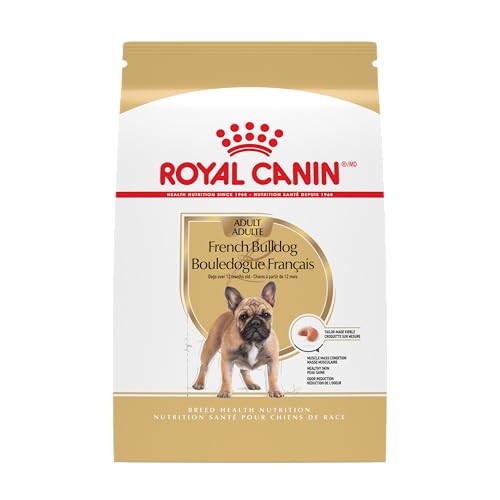
Best Dry Dog Food for French Bulldog Puppy with Sensitive Stomach
Choosing the right kibble for a flat-faced puppy with a delicate digestive system is challenging. This guide breaks down what actually works, what to avoid, and how to transition safely.
A French Bulldog puppy is a joy, but their digestive system can be a source of stress for even the most dedicated owner. Flat-faced breeds are anatomically prone to gastrointestinal issues, and when you add the nutritional demands of puppyhood, finding a dry food that doesn't cause loose stools, gas, or vomiting becomes a top priority.
This guide is written for owners who already know they need a gentle kibble but want to understand exactly why certain formulas work better than others. You will learn which protein sources are least likely to trigger reactions, how to read a label without being fooled by marketing, and the transition protocol that gives a sensitive puppy the best chance of success.
Why French Bulldog Puppies Have Sensitive Stomachs
French Bulldogs are brachycephalic, meaning they have a shortened skull and compressed airways. Research shows that brachycephalic breeds frequently suffer from concurrent digestive issues alongside their breathing challenges [citation:12]. The anatomical abnormalities that affect their breathing—elongated soft palate, narrowed nostrils—also contribute to chronic gastrointestinal signs like regurgitation and vomiting.
Beyond anatomy, Frenchies are genetically predisposed to certain digestive conditions. Granulomatous colitis, an inflammatory bowel disease caused by invasive E. coli, is significantly more common in French Bulldogs than in most other breeds [citation:16]. Puppies are especially vulnerable because their gut microbiome is still developing and their immune system is learning to distinguish between harmless food particles and potential threats.
Common triggers for stomach upset in Frenchie puppies include:
- Chicken, beef, dairy, wheat, soy, and corn—the most frequently reported food sensitivities in the breed [citation:9]
- Sudden food changes that disrupt the gut microbiome
- Overfeeding, which overwhelms a small digestive system
- Large kibble pieces that are difficult for flat faces to chew properly
Important distinction: A true food allergy is rare. Most reactions are sensitivities or intolerances. If your puppy has persistent diarrhea, vomiting, or itching, work with your vet to rule out parasites and infections before assuming it is the food. For a deeper look at gentle formulas beyond dry kibble, see our guide on dog food for sensitive stomach.
Key Ingredients to Look For in a Gentle Kibble
The best dry food for a sensitive Frenchie puppy is built around a few core principles: a novel or limited protein source, highly digestible carbohydrates, and prebiotics that support gut health. Here is what to prioritize.
1. A Single, Named Animal Protein
Look for a specific protein that your puppy has not eaten before, such as salmon, whitefish, lamb, or turkey. Avoid vague terms like "meat meal" or "poultry by-product." A limited ingredient formula reduces the number of variables you need to track if a reaction occurs. Fish-based proteins are often a smart starting point because they are less commonly associated with sensitivities than chicken or beef, and they provide omega-3 fatty acids that support skin and coat health [citation:6].
2. Easily Digestible Carbohydrates
Sweet potato, potato, rice, and tapioca are gentler on a puppy's digestive tract than wheat, corn, or soy. Some Frenchies do well with grain-inclusive formulas, while others benefit from grain-free recipes. There is no universal rule—what matters is observing your individual puppy's response.
3. Prebiotics and Probiotics
Ingredients like chicory root (a source of FOS), beet pulp, and yeast extracts (MOS) feed beneficial gut bacteria. Some premium formulas include added probiotics or postbiotics. These are not marketing gimmicks—they genuinely support digestive stability during the vulnerable puppy stage.
4. Appropriate Kibble Size and Shape
French Bulldogs have a unique eating technique due to their short muzzles and underbite. A kibble that is too large or too hard can cause them to gulp air, leading to gas and discomfort. Look for smaller, easier-to-chew pieces or breed-specific formulas designed with flat-faced dogs in mind [citation:5].
5. Omega Fatty Acids
Salmon oil, fish oil, and flaxseed provide EPA and DHA, which support skin health and reduce inflammation. For a puppy prone to both digestive and skin sensitivities, these are valuable additions.
Ingredients and Red Flags to Avoid
Just as important as what you include is what you exclude. The following ingredients are common culprits behind digestive upset in French Bulldog puppies.
- Chicken and chicken by-product meal: The most commonly reported trigger for food sensitivities in Frenchies [citation:9]. If you suspect chicken is the issue, look for formulas that are explicitly chicken-free.
- Wheat, corn, and soy: Cheap fillers that offer little nutritional value and can provoke reactions in sensitive dogs.
- Artificial colors, flavors, and preservatives: BHA, BHT, ethoxyquin, and artificial dyes serve no nutritional purpose and can irritate a compromised gut.
- Dairy: Many dogs are lactose intolerant, and dairy can cause loose stools and gas.
- Excessive fat: While fat is essential, very high-fat formulas can trigger diarrhea or even pancreatitis in predisposed dogs.
- Generic "meat" or "animal derivatives": These vague terms indicate low-quality, variable ingredients that are impossible to evaluate for sensitivity triggers.
Note on grain-free: Grain-free is not automatically better. Some dogs do fine with grains like rice or oats. The key is choosing a formula with a protein source your puppy tolerates and a carbohydrate that does not cause problems. If you are unsure, a limited ingredient diet with a single novel protein is the safest starting point.
Dry Food Types That Work Best for Sensitive Frenchie Puppies
Not all dry foods are created equal. For a French Bulldog puppy with a sensitive stomach, the following categories tend to produce the best results.
Limited Ingredient Diets (LID)
These formulas contain a short list of ingredients—typically one protein, one carbohydrate, and essential nutrients. They are ideal for elimination trials and for puppies with known sensitivities. The simplicity makes it easy to identify what works and what does not. You can explore options like limited ingredient dog food salmon and sweet potato as a starting reference point.
Breed-Specific Puppy Formulas
Some brands offer kibble tailored for French Bulldog puppies, with smaller kibble size, highly digestible proteins (often fish-based), and added prebiotics. These can be a convenient choice if your puppy does not have a confirmed protein allergy. However, breed-specific does not automatically mean hypoallergenic—always check the ingredient list.
Fish-Based Puppy Kibble
Salmon, whitefish, and herring are excellent choices for sensitive puppies. They are less likely to trigger reactions than chicken or beef, and they are rich in omega-3s. A fish-based formula is often the first recommendation for a Frenchie with a tender tummy.
Grain-Free vs. Grain-Inclusive
There is no single correct answer. If your puppy has been eating a grain-inclusive food without issues, there is no need to switch. If you suspect wheat or corn is a problem, a grain-free formula with sweet potato or potato as the carbohydrate source may help. The most important factor is the protein source and overall digestibility, not the presence or absence of grain.
For a broader comparison of premium and mid-range options, see our guide on the best dry dog food and the more specific dog food for French Bulldogs.
How to Transition to a New Food Safely
Even the best food will cause problems if you switch too quickly. A French Bulldog puppy's digestive system needs time to adapt to new ingredients. The standard recommendation is a 7 to 10 day transition, but sensitive puppies often need longer—sometimes two weeks or more [citation:2][citation:10].
- Days 1–3: 25% new food, 75% old food. Watch for changes in stool consistency, gas, and appetite.
- Days 4–6: 50% new food, 50% old food. If stools become loose, stay at this ratio for a few extra days before increasing.
- Days 7–9: 75% new food, 25% old food. By this point, your puppy should be adjusting well.
- Day 10 onward: 100% new food. Continue monitoring for another week.
If diarrhea or vomiting occurs at any stage, slow down or return to the previous ratio. Do not introduce new treats or supplements during the transition—keep everything else stable so you can isolate the cause of any reaction. For puppies with a known sensitive stomach, stretching the transition to 14 days is often wise.
Feeding Schedule and Portion Control
French Bulldog puppies do best with frequent, small meals rather than one or two large ones. This reduces the workload on their digestive system and helps prevent hypoglycemia in very young puppies.
- 8 weeks to 4 months: 3–4 meals per day. Sample times: 7 am, 11 am, 3 pm, 7 pm [citation:1].
- 4 to 6 months: 3 meals per day. Sample times: 7 am, 12 pm, 6 pm.
- 6 to 12 months: 2–3 meals per day, depending on your puppy's size and appetite.
Measure portions by weight or calories rather than by eye. Puppy food bags often overestimate the amount needed, especially for less active puppies. A French Bulldog puppy should have a visible waist and ribs you can feel but not see. Adjust the amount based on body condition, not just the bag instructions. Keep treats to no more than 10% of daily calories.
Always provide fresh water. If your puppy gulps food and swallows air, consider a slow-feeder bowl or spreading the kibble on a flat surface to slow eating. For related feeding accessories, see our dog bowl recommendations.
Frequently Asked Questions
The Bottom Line
The best dry dog food for your French Bulldog puppy is one that uses a single, novel protein source, contains easily digestible carbohydrates, includes prebiotics for gut support, and has a kibble size your puppy can chew comfortably. Fish-based formulas are often a smart first choice for sensitive Frenchies. Transition slowly, feed small frequent meals, and monitor your puppy's stool and skin closely. If problems persist despite your best efforts, work with your veterinarian—sometimes a prescription diet is the most effective solution for a breed with this many digestive predispositions.