The Complete Dog Bowl Buying Guide
Everything you need to know about choosing the right dog bowl — materials, sizes, shapes, hygiene, and special feeders for fast eaters, senior dogs, and messy drinkers.
A dog bowl seems like the simplest purchase you will ever make for your dog — until you stand in the pet aisle and realize there are dozens of options in every material, shape, and size imaginable. Stainless steel, ceramic, plastic, elevated stands, slow feeders, puzzle bowls, no-spill water bowls, and travel bowls all promise different benefits. Choosing the wrong one can lead to spilled water, chin acne, rapid eating, or a bowl that slides across the kitchen floor every mealtime.
This guide cuts through the marketing noise. We explain what actually matters when selecting a dog bowl, how materials compare in durability and hygiene, how to size a bowl correctly for your dog, and which specialty designs solve specific problems like gulping, bloat risk, and messy drinking. By the end, you will know exactly which bowl fits your dog's eating habits, health needs, and your household routine.
Why the Right Bowl Matters
Your dog eats and drinks from the same bowl every single day, often multiple times. Over a year, that is well over a thousand interactions with a single object. A poorly chosen bowl can cause problems that owners rarely connect to the bowl itself — persistent chin acne, food gulping that leads to vomiting, neck strain in older dogs, or water tracked across the floor every time your dog takes a drink.
The right bowl supports comfortable eating posture, discourages unhealthy eating speed, resists bacteria growth, and stays put during mealtime. It also makes your daily routine easier, whether that means fewer spills to mop up or a bowl that survives the dishwasher without warping. If you are also upgrading your dog's feeding routine, pairing a quality bowl with an automatic dog feeder can help with portion control and scheduled meals.
Key Takeaway: The bowl is not a trivial accessory. It directly affects hygiene, digestion speed, posture, and mealtime mess. A small upgrade in bowl quality often resolves problems owners mistakenly attribute to their dog's behavior.
Bowl Materials Compared
Material is the single most important decision. It determines durability, hygiene, weight, noise, and safety. Here is how the four main options compare.
Stainless Steel
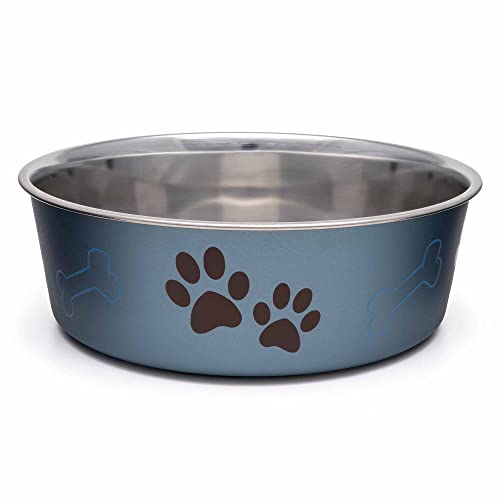
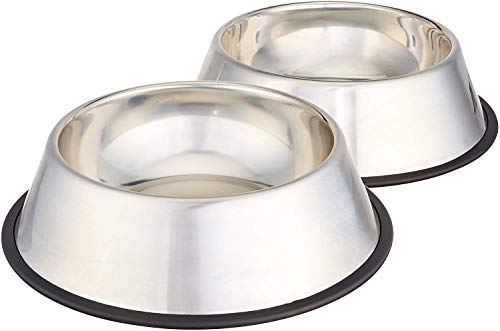
The gold standard for most dogs. Non-porous, rust-resistant, dishwasher-safe, and does not hold odors or bacteria. Heavy enough to resist sliding, though lightweight versions can be tipped. Some dogs dislike the clanging noise of metal on hard floors. Choose bowls with a rubber non-slip base if noise or sliding is a concern. Avoid uncoated steel if your dog is a heavy chewer.
Premium choiceCeramic
Heavy, stable, and available in attractive designs. Ceramic does not retain odors or bacteria when properly glazed, and the weight helps prevent tipping and sliding. The main risks are chipping and cracking, which can create sharp edges and harbor bacteria. Always confirm the glaze is lead-free and food-safe. Best for calm eaters and households that want a bowl that stays put.
Mid-range to premiumPlastic
The most budget-friendly option and lightweight for travel. However, plastic scratches easily, and those scratches become breeding grounds for bacteria that are difficult to remove even with washing. Plastic bowls are also linked to chin acne in dogs, particularly those with sensitive skin. If you choose plastic, inspect regularly and replace at the first sign of scratching or discoloration. Best reserved for travel or short-term use.
Entry-levelSilicone & Collapsible
Lightweight, flexible, and ideal for travel, hikes, and camping. Collapsible bowls pack flat and are easy to clean. The trade-off is stability — silicone bowls tip easily and are not suitable for everyday home feeding of large or enthusiastic eaters. Food-grade silicone is safe and durable, but look for bowls with a rigid rim or weighted base for better stability.
Budget-friendly travel option| Material | Durability | Hygiene | Stability | Best For |
|---|---|---|---|---|
| Stainless Steel | Excellent | Excellent | Good (better with rubber base) | Everyday feeding for most dogs |
| Ceramic | Good (chips if dropped) | Excellent (if lead-free glaze) | Excellent | Calm eaters, design-conscious homes |
| Plastic | Fair (scratches easily) | Poor once scratched | Good | Budget setups, short-term use |
| Silicone | Good | Good | Poor | Travel, hiking, camping |
Choosing the Right Size
An undersized bowl forces your dog to eat with their muzzle pressed against the sides, which traps whiskers and makes mealtime uncomfortable. An oversized bowl wastes space and encourages overfilling. The right bowl is wide enough for your dog's muzzle to fit without touching the rim, and deep enough to hold a full meal or a full day of water.
Size Guidelines by Dog Weight
- Toy and small breeds (under 20 lbs): Food bowls holding roughly 1 to 2 cups. Water bowls around 2 to 3 cups. Shallow designs are easier for flat-faced breeds like Pugs and French Bulldogs.
- Medium breeds (20 to 50 lbs): Food bowls holding 3 to 5 cups. Water bowls 4 to 6 cups. Standard stainless steel bowls in this range are widely available.
- Large breeds (50 to 90 lbs): Food bowls holding 5 to 8 cups. Water bowls 8 to 12 cups. Look for wider mouth openings and heavier construction.
- Giant breeds (over 90 lbs): Food bowls holding 8 to 12 cups. Water bowls 12 cups or more. Stability is critical — choose weighted or stand-mounted bowls.
Muzzle Fit Test: Before committing, measure the width of your dog's muzzle with their mouth slightly open. The bowl's interior width should be at least 1.5 to 2 times that measurement so your dog can eat without pressing against the sides.
Water Rule of Thumb: Dogs drink roughly 0.5 to 1 ounce of water per pound of body weight per day. A 50-lb dog may drink 25 to 50 ounces daily, so a water bowl should hold at least a full day's supply if you refill once daily.
If your dog is a messy drinker, consider a dog water bottle for travel or a no-spill water bowl for home. Flat-faced breeds such as French Bulldogs and Pugs benefit from shallow, wide bowls that let them reach food without their nose blocking the way — the same principle applies when choosing food for French Bulldogs, where kibble size and bowl shape both affect comfortable eating.
Specialty Bowl Types
Beyond the standard bowl, several specialty designs solve specific problems. If your dog gulps food, tips bowls, drools heavily, or is a senior with joint pain, one of these may be the better choice.
Slow Feeder Bowls
Maze-like ridges force your dog to work around obstacles to reach kibble, slowing eating dramatically. Ideal for dogs that inhale meals in under a minute, gulp air, or vomit after eating. Also provides mental enrichment. Not a substitute for veterinary advice if your breed is at risk of bloat. Pair with appropriate dry dog food sized for the feeder channels.
Mid-range specialtyElevated Bowls & Stands
Raise the bowl to chest or elbow height, reducing neck strain for senior dogs, dogs with arthritis, and giant breeds. However, research suggests raised bowls may increase bloat risk in large, deep-chested breeds such as Great Danes and German Shepherds. Consult your vet before switching. Elevated stands also improve stability for enthusiastic eaters.
Mid-range to premiumNo-Spill & Splash-Proof Water Bowls
Floating discs or narrow openings prevent water from splashing when dogs drink enthusiastically. Particularly useful for long-eared breeds that dunk their ears in the bowl, and for dogs that paw at water. Some designs also slow drinking, which helps dogs that gulp water and then vomit. Easy to clean models are worth the upgrade.
Mid-range specialtyPuzzle & Enrichment Bowls
Combine feeding with mental stimulation. Dogs solve simple puzzles to release kibble, which slows eating and tires the brain. Excellent for dogs left alone during the day or those who need more mental engagement. Works well alongside dog puzzle toys and interactive dog toys in a broader enrichment routine.
Premium specialtyWeighted & Non-Slip Bowls
Rubberized bases or weighted bottoms prevent sliding and tipping. Essential for dogs that push bowls across the floor, and for households with hard flooring. Look for removable rubber rings so the bowl can still go in the dishwasher. A simple, affordable upgrade that solves a common frustration.
Affordable to mid-rangeTravel & Collapsible Bowls
Lightweight silicone or fabric bowls that fold flat for hikes, road trips, and park visits. Best paired with a portable water bottle and a dog carrier for full travel readiness. Not suitable as primary home bowls due to limited stability, but indispensable on the go.
Budget-friendly travelFast Eater? Start Here: If your dog finishes meals in under two minutes, a slow feeder bowl is the single most effective upgrade you can make. Combine it with a dog lick mat for wet food or treats to extend mealtime and add enrichment.
Hygiene & Cleaning
A dog bowl is a warm, moist environment with food residue — exactly what bacteria and mold need to thrive. Studies have found that pet bowls can harbor high levels of bacteria, including strains resistant to antibiotics. Regular cleaning is not optional.
Cleaning Frequency
- Food bowls: Wash daily with hot water and dish soap. If your dog eats wet food or drools heavily, wash after every meal. Stainless steel and ceramic are dishwasher-safe; check plastic bowls for warping.
- Water bowls: Rinse and refill at least once daily. Do a full soap wash every one to two days. In hot weather or if your dog drools into the water, wash daily.
- Slow feeders and puzzle bowls: Wash after every use. Food trapped in crevices is a bacterial hotspot. Use a bottle brush to reach narrow channels.
- Elevated stands: Wipe down weekly and deep clean monthly. Food and water spill onto the stand and create residue that attracts pests.
Signs Your Bowl Needs Replacing
- Plastic bowls with visible scratches, cracks, or a lingering odor even after washing
- Ceramic bowls with chips or cracks that expose unglazed clay
- Stainless steel bowls with rust spots, dents that trap food, or peeling coatings
- Silicone bowls that have become sticky, torn, or discolored
- Any bowl that no longer sits flat or has a damaged non-slip base
If your dog develops persistent chin acne, switch away from plastic immediately and wash the new bowl daily. Chin acne is often mistaken for an allergy when the real culprit is a scratched plastic bowl. For dogs with sensitive skin, the same hygiene principles apply to grooming tools — see our guide to dog grooming tools and dog shampoo for skin-friendly routines.
Safety Considerations
Bowl-related safety risks are rare but real. Keep these points in mind:
- Bloat risk: Elevated bowls may increase the risk of gastric dilatation-volvulus (GDV) in large, deep-chested breeds. If your breed is at risk, discuss bowl height and feeding speed with your veterinarian. Learn more about dog bloat and preventive gastropexy.
- Chewing: Some dogs chew their bowls, especially plastic and silicone ones. Chewed plastic can create sharp edges or be swallowed. If your dog is a determined chewer, choose a heavy stainless steel bowl and redirect chewing to appropriate chew toys.
- Tip-over hazards: Lightweight bowls that tip easily can spill hot water in summer or cause your dog to slip on wet floors. Use non-slip or weighted bowls.
- Lead glaze: Only buy ceramic bowls labeled food-safe and lead-free. Unregulated imported ceramics may contain lead or cadmium.
- Stand stability: Elevated stands with wide bases are more stable. A tipped stand can spill water and startle your dog, leading to food guarding or reluctance to eat.
Setting Up a Feeding Station
A well-designed feeding station makes mealtime calmer and cleaner for both of you.
- Choose a consistent location: Feed your dog in the same quiet spot every day, away from high-traffic areas. Consistency reduces anxiety and food guarding.
- Use a mat underneath: A waterproof dog mat or dog mats catches spills and kibble crumbs, protecting your floor and making cleanup easier.
- Separate food and water: Place water slightly away from food to reduce contamination and encourage drinking. Some dogs prefer not to drink where they eat.
- Consider a raised stand for seniors: If your dog has arthritis or neck pain, a low elevated stand can make eating more comfortable. Monitor for increased gas or discomfort.
- Keep bowls out of reach between meals: If you have multiple dogs, pick up bowls after meals to prevent resource guarding and bowl stealing.
- Add a second water station: In multi-floor homes, a second water bowl upstairs or in the yard reduces accidents and keeps your dog hydrated.
If you are also selecting food storage, a dog food container keeps kibble fresh and reduces the temptation to overfill the bowl. And if your dog eats too fast even from a regular bowl, pair a slow feeder with a lick mat for a more enriching mealtime routine.
Common Bowl Mistakes to Avoid
- Using plastic bowls long-term. Scratches harbor bacteria and contribute to chin acne. If you use plastic, replace it at the first sign of wear.
- Choosing a bowl that is too small. A cramped bowl causes whisker fatigue and messy eating. Size up if your dog's muzzle touches the sides.
- Rarely washing water bowls. Water bowls develop a slippery biofilm that is invisible but loaded with bacteria. Rinse daily and wash fully every one to two days.
- Ignoring fast eating. Gulping food increases vomiting risk and air intake. A slow feeder is a simple fix that most dogs adapt to quickly.
- Using an elevated bowl without considering bloat risk. For deep-chested breeds, bowl height should be discussed with a vet — not chosen casually based on marketing claims.
- Placing bowls on slippery floors. Dogs can slip and develop reluctance to eat. Use a non-slip mat or a weighted bowl.
- Free-feeding without portion control. Leaving a bowl constantly full makes it impossible to monitor intake and contributes to obesity. Scheduled meals with measured portions are healthier. See our guide to dog diet for portion guidance.
- Overlooking bowl height for flat-faced breeds. Brachycephalic breeds like French Bulldogs and Pugs often eat more comfortably from shallow, wide bowls rather than deep ones.
Frequently Asked Questions
Bottom Line: Which Bowl Should You Buy?
For most dogs, a heavy stainless steel bowl with a non-slip rubber base is the best all-around choice — durable, hygienic, easy to clean, and stable. If your dog gulps food, add a slow feeder bowl. If your dog is a senior or has joint pain, consider a low elevated stand after consulting your vet. If your dog is a messy drinker, a no-spill water bowl saves daily cleanup. And regardless of which bowl you choose, wash it daily — hygiene matters more than any design feature. Pair a quality bowl with a feeding mat and a food container for a complete, clean feeding station.