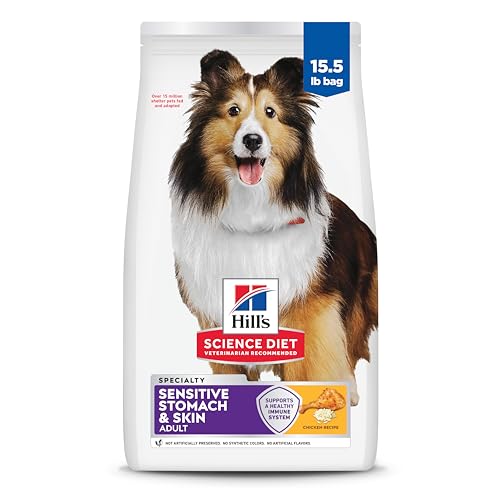
Best Dog Food for Sensitive Stomach
A complete guide to choosing gentle, easily digestible dog food that calms digestive upset, supports nutrient absorption, and helps your dog thrive.
If your dog frequently has loose stools, gas, vomiting, or a poor appetite, you are not alone. Digestive sensitivity is one of the most common concerns dog owners face, and the food you choose plays a central role in managing it. The right dog food for sensitive stomach can reduce symptoms, improve nutrient absorption, and make mealtime enjoyable again.
This guide explains what causes sensitive stomachs, which ingredients to look for and avoid, how to transition safely to a new formula, and how to compare products by tier and features rather than guessing at labels. By the end, you will be equipped to make an informed choice that supports your dog's long-term digestive health.
Quick Summary: Look for limited-ingredient formulas with a single novel protein, easily digestible carbohydrates such as rice or sweet potato, added probiotics or prebiotic fiber, and no artificial additives. Always transition slowly over 7 to 10 days and consult your veterinarian if symptoms persist.
Why Some Dogs Have Sensitive Stomachs
Digestive sensitivity can stem from several factors, and identifying the cause helps you choose the right food. Common contributors include food intolerances, sudden diet changes, high-fat formulas, and underlying medical conditions.
Food Intolerances
Some dogs struggle to digest certain proteins or grains. A limited ingredient formula with a novel protein source is often the most effective first step.
Sudden Diet Changes
Switching foods abruptly disrupts gut flora. A gradual transition over 7 to 10 days prevents most diet-related upset.
High-Fat Formulas
Rich, high-fat foods can trigger pancreatitis or loose stools. Moderate-fat recipes are gentler on sensitive digestive systems.
Underlying Conditions
Inflammatory bowel disease, parasites, and food allergies require veterinary diagnosis. Persistent symptoms deserve a professional check.
Key Features to Look For
When comparing options, prioritize formulas designed around digestibility and gentle ingredients. The following features are the strongest indicators of a quality sensitive-stomach recipe.
- Single Novel Protein: A recipe built around one protein source your dog has not eaten before reduces the chance of an immune reaction and simplifies troubleshooting.
- Easily Digestible Carbohydrates: Rice, sweet potato, and oatmeal are gentle on the gut and provide steady energy without irritating the digestive tract.
- Probiotics and Prebiotic Fiber: Live cultures and fiber sources such as beet pulp or chicory root support a healthy gut microbiome and improve stool quality.
- Moderate Fat Content: Lower-to-moderate fat recipes reduce the workload on the pancreas and are easier to digest than rich formulas.
- No Artificial Additives: Avoid artificial colors, flavors, and preservatives, which can trigger reactions in sensitive dogs.
- AAFCO Complete and Balanced Statement: This ensures the food meets recognized nutritional standards for your dog's life stage.
Pro Tip: If your dog has reacted poorly to chicken and beef, look for novel proteins such as salmon, venison, lamb, or duck. If grains seem to be the trigger, a grain-free option with sweet potato or pumpkin as the carbohydrate source may help, but confirm with your veterinarian first.
Comparing Sensitive Stomach Food Categories
The table below compares the main categories of sensitive-stomach dog food by formulation approach and market tier. Use it as a starting point, then review the product section for specific options.
| Category | Key Feature | Best For | Market Tier |
|---|---|---|---|
| Limited Ingredient Diet | Single protein, few ingredients | Dogs with suspected food allergies | Mid-Range |
| Grain-Free Gentle Formula | No grains, novel protein | Dogs sensitive to wheat or corn | Premium |
| Probiotic-Enhanced Recipe | Live cultures and prebiotic fiber | Dogs recovering from upset | Mid-Range |
| Veterinary Digestive Formula | Clinically formulated, highly digestible | Dogs with diagnosed conditions | Premium to High-End |
| Wet Sensitive Stomach Food | High moisture, soft texture | Picky eaters and senior dogs | Mid-Range to Premium |
How to Transition to a New Food Safely
Even the best formula can cause upset if introduced too quickly. Follow this gradual schedule over 7 to 10 days:
- Days 1 to 3: Mix 25 percent new food with 75 percent old food. Watch for changes in stool quality and appetite.
- Days 4 to 6: Move to a 50/50 split. This is where most dogs adjust comfortably.
- Days 7 to 9: Increase to 75 percent new food and 25 percent old food.
- Day 10 onward: Feed 100 percent new food. Continue monitoring for a week to confirm tolerance.
If diarrhea or vomiting returns during the transition, slow down and hold at the previous ratio for a few extra days. Persistent symptoms should be evaluated by your veterinarian.
Feeding Tips for a Sensitive Stomach
- Feed smaller, more frequent meals: Two to three smaller meals are easier to digest than one large meal.
- Keep water available at all times: Hydration supports digestion and helps prevent constipation.
- Avoid table scraps: Human food, especially fatty or spicy items, is a common trigger for digestive upset.
- Store food properly: Keep kibble in an airtight container to prevent spoilage and pest contamination.
- Track symptoms: Keep a simple log of food, treats, and stool quality to identify patterns and triggers.
If you are also exploring wet dog food for dogs with sensitive stomachs, note that higher moisture content can be gentler on some dogs. Owners managing weight alongside digestion may find a weight control dog food useful, and senior dogs often benefit from formulas covered in our guide to wet dog food for senior dogs with sensitive stomach.
When to See a Veterinarian
Food changes help many dogs, but some symptoms require professional attention. Contact your veterinarian promptly if you notice any of the following:
- Vomiting or diarrhea lasting more than 24 hours
- Blood in the stool or black, tarry stools
- Weight loss or refusal to eat for more than a day
- Lethargy, weakness, or signs of pain
- Repeated episodes of digestive upset despite dietary changes
A veterinarian can rule out conditions such as inflammatory bowel disease, pancreatitis, or food allergies, and may recommend a prescription formula tailored to your dog's needs.
Frequently Asked Questions
Ready to Choose a Gentle Formula?
Review the recommended products below to compare sensitive-stomach options by tier and features. If your dog's symptoms are severe or persistent, speak with your veterinarian first to rule out medical causes before making a dietary change. A thoughtful, gradual approach gives your dog the best chance at comfortable digestion and a healthier life.