Raw Dog Food: The Complete Guide to Safe & Healthy Raw Feeding
Discover the real benefits, risks, and proven methods for transitioning your dog to a raw diet. Backed by nutritional science and practical experience.
📖 What You'll Learn in This Guide
Raw dog food has gained immense popularity among pet owners seeking a more natural, species-appropriate diet for their canine companions. Unlike heavily processed kibble, a raw diet typically consists of raw muscle meat, organ meat, ground bone, and sometimes vegetables, fruits, and supplements. Proponents report shinier coats, cleaner teeth, higher energy levels, and smaller stools. However, raw feeding requires careful planning to avoid nutritional imbalances and bacterial risks. This comprehensive guide gives you everything you need to decide if raw feeding is right for your dog — and how to do it safely.
What Is Raw Dog Food?
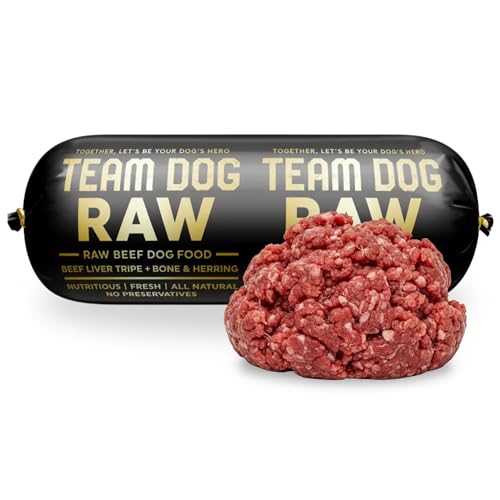
A raw dog food diet mimics what canids ate before domestication: fresh, uncooked ingredients. The two most common raw feeding models are the Prey Model Raw (PMR) (whole prey composition: 80% muscle meat, 10% bone, 10% organ) and Biologically Appropriate Raw Food (BARF) (includes plant matter like leafy greens and berries). Many owners start with commercially prepared raw frozen or freeze-dried products, which are balanced and convenient. If you're exploring other dog food options, raw is an alternative to both kibble and home-cooked diets.
Proven Benefits of Raw Feeding
🦷 Dental Health
Chewing raw meaty bones naturally scrapes plaque and tartar, reducing bad breath and gum disease. Many dogs on raw diets never need professional dental cleanings.
✨ Shinier Coat & Healthier Skin
Natural fatty acids and high moisture content improve coat luster and reduce itching, hot spots, and dry skin — often resolving chronic allergies.
⚡ Increased Energy & Stamina
Owners frequently report higher vitality, better muscle tone, and more endurance during exercise. Perfect for active breeds and agility training.
💩 Smaller, Less Smelly Stools
Raw food is highly digestible, meaning less waste. Stools are firm, smaller, and have minimal odor.
⚖️ Healthy Weight Management
Raw diets naturally maintain lean muscle and reduce body fat. Ideal for dogs prone to obesity — see our weight management guide for more.
🛡️ Stronger Immune System
Live enzymes and phytonutrients in raw ingredients support immune function, potentially reducing ear infections and chronic digestive issues.
Risks & Safety Protocols (Must Read)
Bacterial contamination is the biggest concern. However, healthy dogs have highly acidic stomachs and natural defenses. To mitigate risks: buy from reputable suppliers, thaw in refrigerator, discard uneaten food after 20 minutes, and disinfect feeding areas daily. Avoid raw pork (risk of pseudorabies) and wild game without inspection. If your dog has pancreatitis, chronic kidney disease, or is on immunosuppressive medication, consult your veterinarian before starting raw — some dog health conditions may contraindicate raw feeding.
Another risk is nutritional imbalance. Homemade raw diets often lack essential vitamins and minerals. That's why many owners prefer commercially prepared raw that meets AAFCO standards.
Types of Raw Dog Food: Which One Is Right for You?
| Format | Pros | Cons | Average Monthly Cost (50 lb dog) |
|---|---|---|---|
| Frozen Raw | Nutritionally complete, minimally processed, high moisture | Requires freezer space, thawing time | $90–$180 |
| Freeze-Dried Raw | Lightweight, shelf-stable, easy to travel | More expensive, rehydration needed | $150–$300 |
| Dehydrated Raw | Long shelf life, gentle processing | Lower moisture, less palatable for some dogs | $120–$220 |
| Homemade Raw (DIY) | Full ingredient control, potentially cheaper | Time‑consuming, risk of imbalance | $60–$120 (plus supplements) |
For beginners, high-quality commercial frozen raw is the safest and most convenient entry point. Look for brands that list "ground bone" or calcium source, include secreting organs (liver, kidney), and have added vitamins E & B. Many of the best dog food products on the market are raw frozen formulations.
How to Transition Your Dog to Raw Food (Step-by-Step)
Pro Tip: A sudden switch can cause digestive upset. Follow this gradual 7‑10 day transition plan.
- Day 1–3: Replace 25% of current food with raw. Feed two separate meals (kibble+raw mixed) to ease digestion.
- Day 4–6: Increase to 50% raw, 50% old food. Monitor stool consistency – mild loose stool is normal, but diarrhea means slow down.
- Day 7–9: 75% raw, 25% previous diet. Add a probiotic (like plain kefir or dog-specific probiotic).
- Day 10: 100% raw. Offer a variety of proteins over time (chicken, beef, turkey, lamb, fish).
If your dog has a sensitive stomach, extend each phase by 2‑3 days. Always provide fresh water. Avoid transitioning during travel, boarding, or vaccination periods. For puppies, see our puppy guide for age-appropriate raw feeding adjustments.
Ensuring Nutritional Completeness
Raw diets must meet AAFCO nutrient profiles. Key components often missing in DIY raw: manganese, iodine, vitamin E, and omega‑3 fatty acids. Use a reputable premix or supplement like green-lipped mussel powder, kelp, and fish oil. Commercial raw meals are already balanced. Never feed only muscle meat without bone or organs – that causes severe deficiencies over time. Rotating proteins (beef, poultry, rabbit, venison) naturally diversifies nutrients. If you notice lethargy, brittle coat, or changes in appetite, consult a veterinary nutritionist.
For additional support, you might consider dog supplements such as digestive enzymes during the transition phase to help breakdown raw proteins and reduce gastrointestinal upset.
Raw Feeding for Puppies, Seniors & Dogs with Health Issues
Puppies: Raw feeding is excellent for growth, but requires precise calcium:phosphorus ratios (1:1 to 1.3:1). Use commercial raw labeled "puppy" or add bone content carefully. Avoid raw for toy breeds under 3 months? Not necessary, but ensure finely ground bone. Read our best puppy food guide for raw vs non-raw options.
Senior dogs: Raw diets can help maintain muscle mass and joint health. However, seniors with kidney disease may need lower protein. Work with your vet. Additional dog joint health supplements like glucosamine are still beneficial.
Dogs with allergies: Raw feeding allows novel proteins (kangaroo, duck, rabbit) that often resolve food sensitivities. Many dogs with chronic ear infections or dog allergies see dramatic improvement within 4 weeks on a raw diet.
Common Raw Feeding Myths – Busted
❌ "Dogs can’t digest raw meat."
False. Dogs evolved eating raw prey. Their digestive system is designed to handle bacteria and raw proteins efficiently.
❌ "Raw bones are dangerous."
Raw, soft bones (necks, wings, ribs) are digestible and safe. Never feed cooked bones – they splinter.
❌ "Raw food causes aggression."
No scientific evidence. In fact, balanced nutrition often reduces irritability.
❌ "It's too expensive."
Homemade raw can cost $2‑$4/day, comparable to premium kibble plus dental treats.
Frequently Asked Questions About Raw Dog Food
Ready to make the switch? The right approach to raw feeding can transform your dog's health. Start with a high-quality commercial raw formula to simplify the process. Browse our curated product recommendations below — each has been selected for nutritional completeness and safety. Your dog deserves a diet that honors their biology.