Refrigerated Dog Food: The Complete Guide
Everything you need to know about fresh chilled dog food — how it works, what to look for, storage rules, and whether it deserves a place in your dog's bowl.
Walk into any premium pet store or browse a fresh pet food delivery service, and you'll notice a growing category: refrigerated dog food. Unlike the shelf-stable kibble that dominated the market for decades, these products require constant refrigeration from production to serving bowl. That single requirement tells you a lot about what's inside — real meat, vegetables, and grains, with minimal processing and no artificial preservatives.
For owners researching this category, the appeal is obvious: fresher ingredients, higher moisture, and food that often looks like something you'd eat yourself. But refrigerated dog food also raises practical questions about storage, shelf life, cost tiers, and nutritional completeness. This guide answers all of them so you can decide with confidence. If you're exploring fresh feeding more broadly, our raw dog food guide is a useful companion read.
What Is Refrigerated Dog Food?
Refrigerated dog food is a category of fresh, minimally processed dog food that must be kept at refrigerator temperatures to remain safe and palatable. It is sometimes called "fresh dog food," "chilled dog food," or "gently cooked dog food." The defining characteristic is not just the ingredients but the cold chain — these products spoil quickly at room temperature, which is precisely why they avoid the heavy processing and artificial preservatives found in kibble.
Most refrigerated dog foods are gently cooked at low temperatures to eliminate pathogens while preserving nutrients. Some are sold raw and simply chilled. Either way, the product arrives at your door or in your shopping cart cold, and it stays cold until your dog eats it. This category sits firmly in the premium and luxury tiers of the dog food market, though the range within it is wide.
The key distinction: Refrigerated dog food is not the same as frozen raw food, although the two are often confused. Refrigerated food is meant to be stored in your fridge and used within weeks. Frozen food is stored in the freezer for months. Some brands offer both formats.
How Refrigerated Dog Food Is Made
Understanding the production process helps you evaluate quality claims on packaging. Most refrigerated dog food follows one of two paths:
- Gently cooked: Ingredients are cooked at lower temperatures than traditional kibble extrusion. This reduces the destruction of heat-sensitive nutrients and creates a texture closer to stew or loaf. It also eliminates harmful bacteria when done correctly.
- Raw and chilled: Ingredients are blended raw and kept refrigerated without a cooking step. These products carry higher bacterial risk and require stricter handling. Owners interested in this approach should read our detailed raw diet for dogs overview before committing.
- No artificial preservatives: Because refrigeration slows spoilage, manufacturers don't need chemical preservatives like BHA, BHT, or ethoxyquin. This is one of the category's main selling points.
- Human-grade supply chains: Many premium refrigerated brands use human-grade ingredients and facilities, meaning the food meets standards set for human consumption. This is a meaningful quality signal, though it also explains the higher cost tier.
The trade-off is straightforward: fresher food with fewer preservatives demands a cold chain, shorter shelf life, and more careful handling on your end. For many owners, that's an acceptable exchange.
Types of Refrigerated Dog Food
The category is more varied than it first appears. Here are the main formats you'll encounter:
Subscription Fresh Delivery
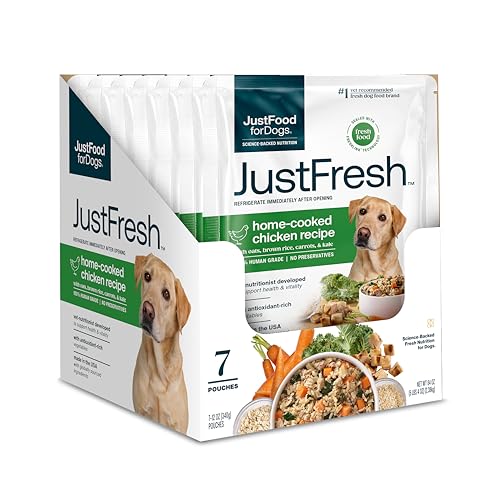
The most popular format. Brands ship pre-portioned packs chilled to your door on a recurring schedule. Portions are tailored to your dog's weight and life stage. Convenient but locks you into a subscription and requires freezer or fridge space.
Premium tierRetail Refrigerated Tubs
Sold in refrigerated sections of pet specialty stores. Typically available in larger tubs that you scoop from. Good for owners who want to try fresh food without a subscription commitment. Check the use-by date carefully at purchase.
Mid-range tierFresh Food Toppers
Smaller refrigerated packs designed to mix with kibble rather than replace it. An accessible entry point into fresh feeding. Useful for picky eaters or dogs who need encouragement to finish meals. Less nutritionally complete on their own.
Budget-friendly tierGently Cooked Rolls
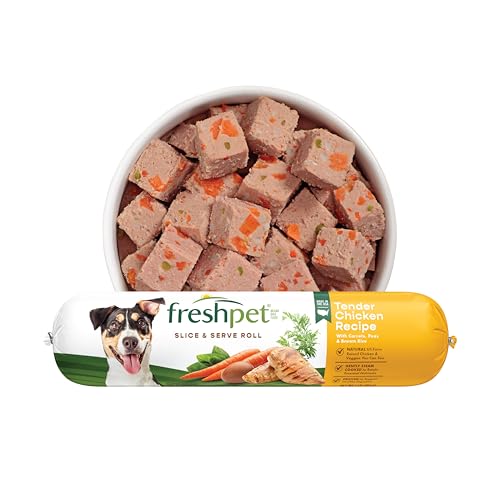
Sold as refrigerated logs or rolls that you slice into portions. Common in specialty pet stores. Often more affordable per serving than subscription services. Slice, serve, and refrigerate the remainder promptly.
Mid-tier to premiumVeterinary Therapeutic Fresh
Prescription refrigerated diets formulated for specific conditions such as kidney disease, allergies, or digestive issues. These sit in the high-end tier and require veterinary guidance. Not a general-purpose option.
High-end tierDIY Fresh Meal Bases
Refrigerated base mixes you complete with your own protein or supplements. Offer control but demand nutritional knowledge. Best approached with a veterinary nutritionist to avoid nutrient gaps. See our homemade food guidance for context.
Varies by tierKey Benefits for Your Dog
Why do owners pay premium-tier prices for food that spoils faster than kibble? The benefits are real, though they vary by individual dog:
- Higher moisture content: Refrigerated food typically contains 60-80% moisture compared with 10% in kibble. This supports hydration, which matters for urinary and kidney health, especially in senior dogs.
- Strong palatability: The aroma, texture, and freshness make refrigerated food highly appealing. For picky eaters or dogs who refuse kibble, this can be transformative. If your dog turns up their nose at dry food, see our guide on dogs who won't eat dog food.
- Fewer artificial additives: No artificial colors, flavors, or chemical preservatives. Owners seeking cleaner ingredient lists find this compelling.
- Easier for sensitive stomachs: Gentle cooking and simpler ingredient decks can suit dogs with sensitivities. Our article on food for dogs with allergies and sensitive stomachs explores related options.
- Portion control: Many subscription services pre-portion meals by weight, which helps with weight management — a major factor in canine longevity.
- Visual inspection: You can see and smell the food. Real meat and vegetables are recognizable, unlike extruded kibble pellets.
Important caveat: Freshness does not automatically mean nutritional completeness. Always confirm the food meets AAFCO nutrient profiles for your dog's life stage. A "fresh" label is a processing claim, not a guarantee of balanced nutrition.
How to Choose the Right Refrigerated Dog Food
With the category expanding quickly, use these criteria to separate quality products from marketing hype:
- AAFCO statement: Look for a clear statement that the food is complete and balanced for your dog's life stage. Avoid products labeled "for supplemental feeding only" unless you're intentionally using a topper.
- Named protein first: The first ingredient should be a named animal source — chicken, beef, turkey, salmon — not a generic "meat" or "meal."
- Transparent sourcing: Reputable brands disclose where ingredients come from and where the food is made. Vague claims are a warning sign.
- Appropriate life stage: Puppies need growth-formulated food; seniors benefit from adjusted calories and joint support. Our recommended puppy food guide covers the puppy side in detail.
- Storage logistics: Confirm delivery packaging, shelf life, and whether you need freezer space. A great food you can't store safely is a liability.
- Transition plan: Good brands provide clear guidance on transitioning from kibble over 7-10 days to avoid digestive upset.
If your dog has a diagnosed condition, involve your veterinarian before switching. For dogs with specific needs, our guides on food for older small dogs with few teeth and senior kidney-support diets may be more targeted starting points.
Storage & Safety Rules
Improper storage is the single biggest risk with refrigerated dog food. Follow these rules without exception:
- Keep it cold at all times: Refrigerate at 40°F (4°C) or below. On arrival, refrigerate immediately — don't leave packs on the counter while you unpack.
- Respect the use-by window: Unopened packs typically last 2-4 weeks past delivery; opened packs should be used within 3-5 days. Write the opening date on the container.
- Freeze what you won't use: Freezing is safe for most refrigerated foods and prevents waste. Thaw overnight in the fridge — never on the countertop.
- Never refreeze thawed food: Once thawed, treat it as fresh and use it within the recommended window.
- Two-hour rule: Discard any portion left at room temperature for more than two hours.
- Clean bowls daily: Residue from fresh food feeds bacteria. Wash bowls with hot soapy water after every meal.
- Handle like raw meat: Even cooked fresh food warrants careful hygiene. Wash hands, counters, and utensils after serving, especially with raw-chilled products.
Signs of spoilage: Off odors, sliminess, discoloration, mold, or a sour smell all mean discard the food. When in doubt, throw it out — a spoiled meal can cause serious gastrointestinal illness.
Transitioning from Kibble
Switching abruptly to fresh food often triggers loose stools or vomiting, even in dogs with cast-iron stomachs. Plan a gradual transition over 7-10 days:
- Days 1-3: 75% old food, 25% refrigerated food
- Days 4-6: 50% old food, 50% refrigerated food
- Days 7-9: 25% old food, 75% refrigerated food
- Day 10 onward: 100% refrigerated food
Slow the pace if your dog shows digestive upset. Dogs with sensitive stomachs may need two full weeks. Our guide to food for large dogs with sensitive stomachs offers additional context on managing transitions carefully.
Refrigerated vs Other Food Types
How does refrigerated food stack up against the alternatives? Use this comparison to weigh the trade-offs:
| Feature | Refrigerated | Dry Kibble | Canned Wet | Frozen Raw |
|---|---|---|---|---|
| Moisture content | High | Low | High | Moderate to high |
| Preservatives | None to minimal | Common | Some | None |
| Shelf life | Weeks (opened: days) | Months | Years | Months (frozen) |
| Storage demand | Refrigerator | Pantry | Pantry | Freezer |
| Relative cost tier | Premium to luxury | Budget to mid-range | Mid-range | Premium |
| Palatability | Very high | Moderate | High | Very high |
| Convenience | Moderate | High | High | Low to moderate |
Many owners land on a hybrid approach: a quality base food supplemented with fresh refrigerated toppers. If that appeals to you, our guides on wet dog food and dog food toppers explain how to combine formats without unbalancing the diet.
Common Mistakes to Avoid
These errors are frequent among first-time fresh feeders — and all are avoidable:
- Assuming fresh means complete: Some refrigerated products are toppers, not complete diets. Feeding them as the sole meal creates nutrient deficiencies over time.
- Leaving food out too long: The two-hour rule exists for a reason. Fresh food at room temperature is a bacterial breeding ground.
- Overfeeding: Fresh food is calorie-dense and highly palatable. Follow portion guidance based on body condition, not the amount your dog begs for.
- Skipping the transition: An abrupt switch causes digestive upset. Always transition gradually.
- Ignoring freezer space: Subscription deliveries can overwhelm a small freezer. Plan storage before you commit.
- Refreezing thawed portions: This degrades quality and increases bacterial risk.
- Neglecting dental care: Soft fresh food does less to scrape plaque than kibble. Brush teeth regularly — see our dog toothbrush guide.
Frequently Asked Questions
Bottom Line
Refrigerated dog food is a legitimate, quality-driven category that suits owners willing to trade convenience and a higher cost tier for fresher ingredients, higher moisture, and strong palatability. It is not a magic solution — nutritional completeness still depends on AAFCO compliance, storage discipline, and portion control. If you're ready to explore the category, start with a trial pack or a topper before committing to a full subscription, and always transition gradually. If you're still deciding between formats, our dog products hub and wet dog food guide can help you compare. And if you're bringing home a new dog, our puppy supplies checklist makes sure the essentials are in place first.