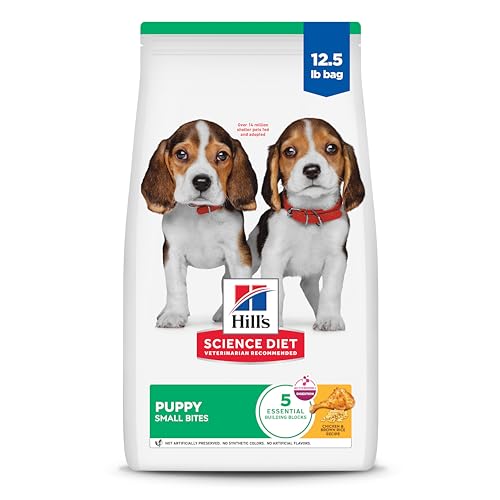
Recommended Dog Food for Puppies
Choosing the right food for your growing puppy is one of the most important decisions you will make. This guide cuts through the marketing noise and gives you the evidence-based information you need to feed your puppy with confidence.
Your puppy is not a small adult dog. During the first year of life, puppies grow at an extraordinary rate — a rate that will never be repeated. A puppy's nutritional needs are fundamentally different from those of an adult dog, and getting those needs right during this critical window sets the foundation for a lifetime of health.
The right food supports proper bone development, muscle growth, brain maturation, and immune function. The wrong food — or the wrong amount of a good food — can contribute to skeletal problems, obesity, and developmental issues that may never fully reverse. Whether you are bringing home a new puppy or reviewing your current feeding plan, this guide will help you make informed decisions. If you are still preparing for your puppy's arrival, our puppy supplies checklist covers everything else you need.
Why Puppy Food Is Different from Adult Food
Puppy food is not simply adult food in smaller portions. It is a specifically formulated diet designed to meet the unique demands of growth. The differences matter more than most owners realize.
- Higher calorie density: Puppies need more than twice the calories per kilogram of body weight compared to adult dogs. Their bodies are building tissue, organs, and bone at a rapid pace, and that process requires substantial energy [citation:7].
- More protein: Protein provides the amino acid building blocks for muscle, organ, and immune system development. Puppy formulas contain higher protein levels than adult maintenance diets to support this growth [citation:10].
- Controlled calcium and phosphorus: These minerals are critical for bone development. In large breed puppies especially, excessive calcium can cause abnormal bone growth and joint problems. Large breed puppy formulas carefully control calcium levels [citation:10].
- DHA for brain and eyes: Docosahexaenoic acid, an omega-3 fatty acid, supports brain and retinal development. Many quality puppy foods include added DHA from fish oil or algal sources [citation:1].
- Smaller kibble size: Puppy mouths and teeth are smaller. Kibble designed for puppies is appropriately sized to encourage chewing and prevent choking [citation:7].
The large breed exception: If your puppy will grow to over 70 pounds (32 kg) as an adult, a standard puppy formula may not be appropriate. Large and giant breed puppies require a diet with controlled calories and a narrower calcium range to prevent excessively rapid growth that stresses developing joints [citation:10]. Always look for a formula specifically labeled for large breed puppies.
The AAFCO Standard: Your First Check
Before you look at ingredients, before you consider brand reputation, before you compare anything else, look for the AAFCO statement. The Association of American Feed Control Officials sets nutritional standards for pet food in the United States, and their statement on the package tells you whether the food is actually complete and balanced for your puppy.
- What to look for: The statement should say the food is "complete and balanced" for "growth" or "all life stages." For large breed puppies, it must specifically mention "including growth of large size dogs" [citation:10].
- What to avoid: A food labeled only for "adult maintenance" is not suitable for a puppy. A food with no AAFCO statement at all should not be used as your puppy's primary diet [citation:10].
- Formulated vs. feeding trials: The AAFCO statement also indicates whether the food was formulated to meet nutrient profiles on paper or validated through actual feeding trials. Both methods are acceptable, but feeding trials provide additional verification.
If you are unsure whether a food meets your puppy's needs, your veterinarian can help you interpret the label. They can also recommend foods from companies that employ board-certified veterinary nutritionists and conduct their own research.
Matching Food to Breed Size
Breed size is not just about how big your puppy will get — it determines how fast they grow, when their bones stop developing, and what nutritional balance they need to support that growth safely. A one-size-fits-all approach is rarely optimal.
Small Breed Puppies
Adult weight: Under 25 pounds (11 kg)
Transition to adult food: Around 10–12 months
Key considerations: Small breed puppies have fast metabolisms and small stomachs. They benefit from smaller kibble and more frequent meals. Toy breeds are prone to hypoglycemia (low blood sugar) if they go too long without eating, so consistent meal times are essential [citation:3].
Entry-level to premium options availableMedium Breed Puppies
Adult weight: 25–50 pounds (11–25 kg)
Transition to adult food: Around 12–15 months
Key considerations: Medium breed puppies have moderate growth rates and generally do well on standard puppy formulas. Look for formulas with quality protein and DHA. Feeding three meals daily until about 6 months, then two meals daily, works well for most [citation:6].
Mid-range to premium options availableLarge Breed Puppies
Adult weight: 50–90 pounds (25–40 kg)
Transition to adult food: Around 15–18 months
Key considerations: Large breed puppies grow slowly and are at risk of developmental orthopedic problems if they grow too quickly. Their food must have controlled calcium and calories. Do not feed a standard puppy formula unless it specifically states it is appropriate for large breed growth [citation:10].
Premium and high-end formulas recommendedGiant Breed Puppies
Adult weight: Over 90 pounds (40+ kg)
Transition to adult food: Around 18–24 months
Key considerations: Giant breeds have the longest growth period and the highest risk of joint issues. They need a dedicated giant breed puppy formula with carefully balanced calcium and phosphorus. Some vets also recommend feeding multiple smaller meals to reduce bloat risk [citation:4].
High-end and specialized formulas recommendedKey Nutrients Every Puppy Needs
Understanding what to look for in the guaranteed analysis and ingredient list helps you evaluate foods beyond the marketing claims. These are the nutrients that matter most for growing puppies.
- Animal protein: Look for named meat sources like chicken, beef, fish, or lamb as the first ingredient. Protein provides essential amino acids for muscle and tissue development. AAFCO recommends a minimum of 22.5% protein for growing puppies on a dry matter basis [citation:12].
- DHA (Docosahexaenoic Acid): This omega-3 fatty acid is critical for brain and retinal development. Many quality puppy foods include DHA from fish oil or algal sources. It is especially important during the first months of life when the brain is developing rapidly [citation:1].
- Balanced calcium and phosphorus: The ratio and absolute amounts matter more than most owners realize. For large breed puppies, excessive calcium can cause bone abnormalities. The calcium-to-phosphorus ratio should be approximately 1.2:1 to 1.4:1 for growing puppies [citation:12].
- Fat: Fat provides concentrated energy and essential fatty acids for skin and coat health. Puppy formulas contain higher fat levels than adult maintenance diets to support growth [citation:10].
- Vitamins and minerals: Zinc, iron, vitamin E, and other micronutrients support immune function and development. Complete puppy foods include these in balanced amounts — additional supplementation is rarely necessary and can be harmful [citation:16].
Ingredient list tip: Ingredients are listed by weight before cooking. A named meat first is a good sign, but it is not the only thing that matters. Look at the complete nutritional profile, the AAFCO statement, and whether the manufacturer employs veterinary nutritionists. A food with "chicken" first but inadequate calcium levels is not a good choice for a large breed puppy.
Dry, Wet, or Fresh: Choosing a Format
All three main formats can provide complete and balanced nutrition for puppies when properly formulated. The right choice depends on your puppy's preferences, your routine, and any specific needs.
- Dry kibble: The most convenient and widely available option. Kibble is easy to measure, store, and feed. It can help with mild dental abrasion. Many puppies do well on dry food alone, though some owners soften it with warm water for very young puppies [citation:8].
- Wet/canned food: Higher moisture content supports hydration and is often more palatable for picky eaters. Wet food can be useful for puppies that are reluctant to eat or need extra encouragement. It is more expensive per calorie than dry food and requires refrigeration after opening [citation:8].
- Fresh/refrigerated food: Gently cooked fresh diets are becoming more available. They offer high moisture content and clear ingredient lists. They require refrigeration and have shorter shelf lives. If choosing fresh food, verify that it meets AAFCO growth standards [citation:19].
Many owners use a combination approach — mixing a small amount of wet food into kibble for flavor and hydration. If you choose to mix formats, ensure both foods are complete and balanced for growth and adjust portions to avoid overfeeding. When transitioning between formats, do so gradually over 7–10 days to prevent digestive upset [citation:8].
Feeding Schedules and Portions
How much and how often you feed your puppy changes as they grow. A predictable routine supports digestion, helps with potty training, and prevents the overeating that can lead to obesity and developmental problems.
Meal Frequency by Age
- 8–12 weeks: Four meals per day. Small breed puppies especially need frequent meals to maintain stable blood sugar [citation:3].
- 3–6 months: Three meals per day. Most puppies can transition to three meals as their stomach capacity increases [citation:6].
- 6–12 months: Two meals per day. This is the standard adult feeding pattern for most dogs, though large breed puppies may still benefit from three smaller meals [citation:9].
How Much to Feed
Start with the feeding guidelines on your puppy food package, but treat them as a starting point, not a rule. The most reliable way to assess whether your puppy is eating the right amount is body condition scoring:
- You should be able to feel your puppy's ribs with light pressure but not see them clearly.
- When viewed from above, your puppy should have a visible waist behind the rib cage.
- From the side, the belly should tuck up slightly toward the hind legs.
- If ribs are easily visible or the waist is indiscernible, adjust portions accordingly [citation:8].
Treats matter: Treats should make up no more than 10% of your puppy's daily caloric intake. Training treats, dental chews, and table scraps add up quickly. When training, use small pieces of your puppy's regular kibble or low-calorie training treats to avoid unbalancing their diet [citation:2].
Transitioning to Adult Food
At some point, your puppy will be ready for adult food. The timing depends primarily on breed size and when your puppy reaches skeletal maturity. Switching too early can deprive a growing puppy of nutrients they still need.
When the time comes, transition gradually over 7–10 days. A sudden switch can cause digestive upset including vomiting and diarrhea. A typical transition schedule looks like this:
- Days 1–3: 75% puppy food, 25% adult food
- Days 4–6: 50% puppy food, 50% adult food
- Days 7–9: 25% puppy food, 75% adult food
- Day 10: 100% adult food
Your veterinarian can help you determine the right time to transition based on your puppy's growth curve and body condition. If you notice signs of digestive upset during the transition, slow down and extend the timeline. For more on your puppy's developmental milestones, see our puppy vaccination schedule and spaying and neutering timing guide.
Common Feeding Mistakes to Avoid
- Free-feeding: Leaving food out all day makes it impossible to monitor how much your puppy is eating and increases the risk of overeating. Scheduled meals are better for digestion, potty training, and weight management [citation:6].
- Feeding adult food too early: Adult maintenance diets do not contain the protein, calcium, and calorie levels a growing puppy needs. Unless your veterinarian recommends otherwise, keep your puppy on a growth diet until they reach the appropriate age for their breed size [citation:10].
- Overfeeding: Puppies that grow too quickly — especially large breed puppies — are at higher risk for joint problems. Follow body condition scoring rather than the bag recommendation alone [citation:1].
- Adding unnecessary supplements: A complete and balanced puppy food already contains the right balance of nutrients. Adding calcium or other supplements without veterinary guidance can actually cause harm by disrupting that balance [citation:16].
- Feeding toxic human foods: Chocolate, grapes, raisins, onions, garlic, xylitol, and alcohol are dangerous for dogs. Keep these securely out of reach and instruct family members not to share food with the puppy [citation:19].
- Sudden food changes: Switching brands or formulas abruptly causes digestive upset. Always transition over 7–10 days [citation:17].
If you are ever unsure whether a food or feeding practice is right for your puppy, consult your veterinarian. They can assess your puppy's individual needs and help you make informed choices. For related reading, see our guides on puppy food products and dry dog food.
Frequently Asked Questions
The Bottom Line
Choosing the right food for your puppy comes down to a few essentials: an AAFCO statement for growth, a formula matched to your puppy's expected adult size, appropriate feeding amounts based on body condition, and a gradual transition when the time comes to switch to adult food. Everything else — brand names, ingredient trends, marketing claims — is secondary to these fundamentals. Your veterinarian is your best resource for personalized guidance, especially if your puppy has special needs or health concerns. For more on caring for your new puppy, explore our puppy supplies checklist and puppy training classes guides.