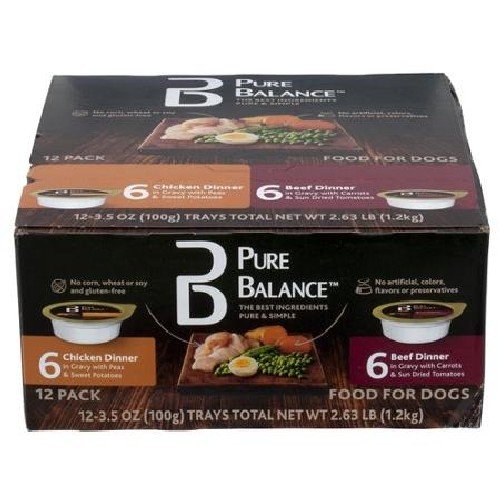
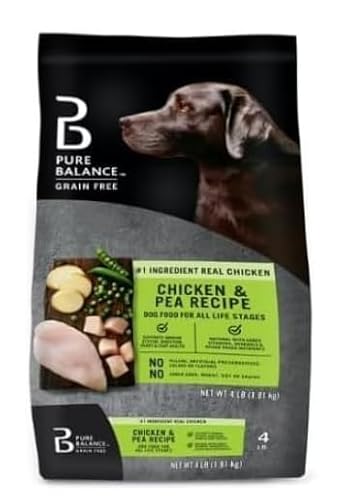
Pure and Balanced Dog Food: The Complete Buying Guide
Understand what makes a dog food truly pure and nutritionally balanced, how to read labels like a pro, and how to choose the right formula for your dog's life stage, size, and health needs.
If you have been researching dog food for any length of time, you have likely encountered the phrase pure and balanced dog food. It sounds straightforward, but the pet food industry uses these words loosely. Some brands slap "pure" and "balanced" on packages while relying on vague ingredient names, artificial preservatives, and nutritional profiles that barely meet minimum standards. For a dog owner who wants to make a confident, informed purchase, that ambiguity is frustrating.
This guide cuts through the noise. You will learn what purity and balance genuinely mean in nutritional terms, which ingredients deserve a place in your dog's bowl, which ones are marketing filler, and how to match a formula to your dog's specific needs. By the end, you will be able to walk into any store or open any product page and evaluate a bag of dog food with the same critical eye a nutritionist would use — so the formula you ultimately buy is one you can trust.
What "Pure and Balanced" Really Means
The word "pure" in dog food marketing is not a regulated legal term. That means any manufacturer can print it on a bag. In practice, however, responsible nutritionists and pet food formulators use "pure" to describe formulas that are made with recognizable, high-quality ingredients, contain no artificial colors or unnecessary synthetic preservatives, and rely on named animal proteins rather than anonymous by-product meals.
"Balanced," on the other hand, has a more technical meaning. A balanced dog food delivers all the nutrients your dog needs — protein, fat, fiber, essential fatty acids, vitamins, and minerals — in the correct proportions for their life stage. In the United States, this is typically confirmed through an AAFCO (Association of American Feed Control Officials) nutritional adequacy statement on the label. Without that statement, a food is not considered complete and balanced.
Key Takeaway: "Pure" describes ingredient quality and transparency. "Balanced" describes nutritional completeness and proportion. A trustworthy formula delivers both — and proves the balance claim with an AAFCO statement for the correct life stage.
Why does this matter for your dog's health? A diet that is pure but not balanced — for example, a homemade meal of chicken and rice — can cause serious nutrient deficiencies over time. A diet that is balanced on paper but built on low-quality, poorly digestible ingredients may meet minimum standards while still leaving your dog with dull coat, loose stools, or low energy. The best formulas combine both qualities. If you are exploring feeding styles beyond commercial kibble, our guide to raw dog food explains how to approach alternative diets safely, and our overview of the raw diet for dogs covers the risks and benefits in detail.
How to Read Dog Food Labels Like a Pro
The label is your most reliable tool for judging whether a formula is genuinely pure and balanced. Manufacturers design packaging to create impressions, but the regulated text on the back and sides tells the real story. Focus on four elements: the nutritional adequacy statement, the ingredient list, the guaranteed analysis, and the manufacturer's credentials.
1. The Nutritional Adequacy Statement
This sentence is usually found near the guaranteed analysis. It will say something like "Formulated to meet the nutritional levels established by the AAFCO Dog Food Nutrient Profiles for maintenance" or "...for all life stages." This statement is your proof that the food is balanced. Pay attention to the life stage: a food labeled "for growth" or "all life stages" is appropriate for puppies, while "maintenance" foods are for adults only.
2. The Ingredient List
Ingredients are listed by weight before cooking. A named animal protein — chicken, beef, salmon, turkey, lamb — should appear first. Be cautious of "splitting" tactics, where a manufacturer lists several forms of the same grain (for example, ground corn, corn gluten meal, corn bran) so that no single grain appears high on the list. Whole grains like brown rice, oats, and barley are nutritious; the concern is when grains replace quality protein.
3. The Guaranteed Analysis
This section lists minimum protein and fat percentages and maximum fiber and moisture. For adult dogs, look for roughly 22–26% protein and 12–16% fat as a general starting point, though needs vary by activity level and breed. Puppies and active working dogs typically benefit from higher protein. Note that guaranteed analysis values are minimums and maximums, not exact amounts.
4. Manufacturer Credentials
Reputable manufacturers employ board-certified veterinary nutritionists, own their production facilities, and conduct feeding trials. A company that is willing to answer detailed questions about sourcing and formulation is usually more trustworthy than one that hides behind generic marketing language.
Label Red Flags: Generic terms like "meat meal," "animal fat," or "poultry by-product" without a named species; artificial colors (Red 40, Yellow 5); vague preservatives like BHA or BHT in premium formulas; and a missing or unclear AAFCO statement. Any one of these should prompt you to look at alternatives.
Ingredients That Belong in Balanced Food
A pure and balanced formula is built from ingredients that serve a nutritional purpose. Here is what to look for, and why each category matters.
- Named animal proteins: Chicken, turkey, beef, salmon, lamb, or fish meal. These supply essential amino acids for muscle maintenance, immune function, and skin health. Protein should be the foundation of the formula.
- Whole grains or legumes: Brown rice, oatmeal, barley, and lentils provide digestible carbohydrates for energy plus fiber for gut health. These are not fillers when used appropriately — they are fuel.
- Animal fats and omega fatty acids: Chicken fat, salmon oil, and flaxseed deliver concentrated energy and omega-3 and omega-6 fatty acids that support a shiny coat, healthy skin, and joint comfort.
- Fruits and vegetables: Sweet potato, pumpkin, spinach, blueberries, and carrots contribute natural vitamins, antioxidants, and fiber that support digestion and cellular health.
- Prebiotics and probiotics: Ingredients like chicory root, beet pulp, and added probiotic strains support a healthy gut microbiome, which in turn improves nutrient absorption and stool quality.
- Joint-support nutrients: Glucosamine, chondroitin, and green-lipped mussel are valuable additions, especially for large breeds and senior dogs prone to joint wear.
- Natural preservatives: Mixed tocopherols (vitamin E) and rosemary extract preserve freshness without synthetic chemicals. These are a hallmark of quality formulas.
Conversely, be wary of formulas dominated by corn, wheat, or soy as the primary protein source, artificial flavors and colors, and excessive sugar or salt. These are signs that cost-cutting has taken priority over nutrition. For dogs with known food sensitivities, our guides to the best dog food for dogs with allergies and sensitive stomachs and what to feed a dog with food allergies can help you narrow down suitable options.
Quality Tiers Explained
Dog food on the market generally falls into three broad quality tiers. Understanding these tiers helps you set realistic expectations and compare formulas on a level playing field — without relying on price tags, which fluctuate and vary by region.
Entry-Level Formulas
These foods meet basic AAFCO standards and are budget-friendly. They typically rely on grain-heavy recipes with generic protein sources and may include artificial preservatives or colors. They can sustain a dog but often lack the ingredient transparency and added functional nutrients of higher tiers. Suitable for healthy adult dogs on a strict budget, with the understanding that coat condition and stool quality may be less consistent.
Entry-LevelMid-Range Formulas
The sweet spot for most households. Mid-tier foods usually feature named animal protein as the first ingredient, natural preservatives, and added omega fatty acids and prebiotics. They may be formulated by companies with veterinary nutritionists and offer life-stage-specific options. For the average healthy dog, a mid-range formula delivers most of the nutritional benefits of premium food at a more accessible tier.
Mid-RangePremium Formulas
Premium foods emphasize high protein content from named sources, limited and transparent ingredient lists, functional additions like glucosamine and probiotics, and rigorous quality testing. Many are formulated for specific needs — sensitive skin, joint support, weight management. They are the best fit for dogs with allergies, seniors, and owners who want maximum ingredient transparency.
PremiumLuxury and Prescription Formulas
At the top end are luxury boutique brands and veterinary prescription diets. Luxury formulas often use exotic proteins and human-grade ingredients. Prescription diets are formulated for specific medical conditions — kidney disease, urinary issues, severe allergies — and should only be used under veterinary supervision. For most dogs without medical needs, the luxury tier offers diminishing returns compared to premium.
LuxuryThe important insight is that tier does not perfectly predict suitability. A mid-range formula with the right protein level and no offending ingredients may serve your dog better than a luxury formula with an exotic protein their stomach cannot handle. Match the tier to your dog's needs, not to marketing prestige.
| Feature | Entry-Level | Mid-Range | Premium |
|---|---|---|---|
| First ingredient | Often grain or generic protein | Usually named meat | Named meat or meat meal |
| Preservatives | May use synthetic | Natural (tocopherols) | Natural, minimal |
| Life-stage options | Limited | Usually available | Extensive, including special needs |
| Functional nutrients | Rare | Some (omega, prebiotics) | Extensive (joint, gut, skin) |
| Best for | Healthy adults on a budget | Most healthy dogs | Sensitive, senior, or special-needs dogs |
Balanced Nutrition by Life Stage
Nutritional balance is not a fixed target — it shifts as your dog grows, matures, and ages. Feeding a puppy adult food, or an adult dog puppy food, can cause real problems. Here is how balanced nutrition looks at each stage.
Puppies (Under 12–18 Months)
Puppies need more protein, more calories, and specific nutrients like DHA for brain and eye development. Large-breed puppies require carefully controlled calcium and phosphorus ratios to prevent skeletal abnormalities. Choose a formula labeled for growth or all life stages. Our recommended dog food for puppies guide and puppy food overview can help you compare options. Avoid free-feeding, which can lead to obesity later in life.
Adult Dogs (1–7 Years)
Adult maintenance formulas should support steady energy, muscle maintenance, and overall health. Protein of roughly 22–26% and fat of 12–16% suits most moderately active adults. Adjust portions based on body condition rather than package guidelines alone. Active working and sporting dogs may need higher fat and protein; couch potatoes may thrive on a lower-calorie adult formula.
Senior Dogs (7+ Years, or 5+ for Giant Breeds)
Senior dogs benefit from lower-calorie formulas to prevent weight gain, higher-quality protein to preserve muscle mass, added joint support, and increased fiber for digestion. Kidney and heart health become more important, so your veterinarian may recommend specific nutrient adjustments. Our guides to the best dog food for older small dogs with few teeth, canned food for senior dogs with heart conditions, and senior food for kidney problems cover these scenarios in depth. Soft or wet options may be necessary for dogs with dental issues — see our soft dry food guide.
Special Diets and Sensitive Stomachs
Not every dog thrives on a standard formula. Sensitive stomachs, skin allergies, and breed-specific predispositions require more targeted choices. The key is to identify the specific trigger — often a protein source or a grain — and select a formula that avoids it while remaining nutritionally complete.
- Sensitive stomachs: Look for limited-ingredient formulas with a single novel protein (salmon, lamb, duck) and easily digestible carbohydrates like rice or pumpkin. Our guide to the best dry food for small dogs with sensitive stomachs and the large-dog version offer specific recommendations.
- Skin allergies: Omega fatty acids, hydrolyzed proteins, and avoidance of common allergens (chicken, beef, wheat) are key. See our picks for the best food for French Bulldogs with skin allergies and German Shepherds with skin allergies.
- Weight management: Lower-calorie, higher-fiber formulas help dogs lose weight safely while feeling full. Our weight-loss food guide explains how to choose.
- Senior and dental issues: Soft or wet foods are easier for dogs with missing or painful teeth. The best dry food for older dogs with bad teeth and senior small-dog guide cover this.
- Home-cooked and raw alternatives: If you prefer to prepare food yourself, our homemade recipes for senior dogs with sensitive stomachs and treat recipes for sensitive stomachs can supplement a balanced base diet. Just ensure the overall diet meets AAFCO standards, ideally with a veterinary nutritionist's guidance.
For dogs that refuse kibble or need encouragement, food toppers can help — see our dog food toppers guide. And if your dog refuses food entirely, our article on why a dog won't eat food but will eat treats offers troubleshooting steps.
Transitioning to a New Food
Even the best pure and balanced formula can cause digestive upset if you switch too quickly. Dogs have a gut microbiome adapted to their current diet, and abrupt changes disrupt it. The standard recommendation is a gradual transition over seven to ten days.
- Days 1–3: Mix about 25% new food with 75% old food. Watch for loose stools or loss of appetite.
- Days 4–6: Move to a 50/50 mix if your dog is tolerating the change well.
- Days 7–9: Increase to 75% new food and 25% old food.
- Day 10 onward: Feed 100% new food. If digestive upset occurs at any stage, slow down and stay at the previous ratio for a few extra days.
Tip for Sensitive Dogs: Dogs with a history of gastrointestinal sensitivity may need a 14-day transition. Adding a canine probiotic during the switch can support gut flora and reduce loose stools. Puppies and senior dogs also benefit from a slower transition. If diarrhea persists beyond 48 hours, consult your veterinarian.
Common Feeding Mistakes to Avoid
- Free-feeding without measuring. Leaving food out all day makes it nearly impossible to track intake and is a leading cause of canine obesity. Measure portions and feed scheduled meals.
- Ignoring treat calories. Treats should make up no more than 10% of daily calories. An extra biscuit here and there adds up quickly and unbalances an otherwise balanced diet.
- Choosing food by marketing alone. "Natural," "holistic," and "premium" are marketing terms, not regulated nutritional claims. Rely on the AAFCO statement and ingredient list instead.
- Assuming grain-free is healthier. Unless your dog has a diagnosed grain allergy, grains are nutritious. Grain-free diets have been investigated for potential links to heart disease in some dogs. Discuss any diet change with your vet.
- Feeding the same amount forever. Your dog's caloric needs change with age, activity, and health status. Reassess body condition every few months and adjust portions accordingly.
- Switching foods abruptly. Always transition gradually to avoid digestive upset and food refusal.
- Over-supplementing. Adding extra vitamins or minerals to a complete and balanced food can create imbalances. Only supplement on veterinary advice. Our dog vitamins guide explains when supplements are appropriate.
Ready to Choose a Better Bowl?
Explore our curated selection of pure and balanced dog food products, vetted for ingredient quality and nutritional completeness.
See Recommended Products