Best Dry Dog Food for French Bulldog with Skin Allergies
French Bulldogs are notorious for their sensitive skin and prone to food allergies. Finding the right dry food can stop the itching, soothe irritated paws, and bring back your Frenchie's comfortable, happy self.
If your French Bulldog is constantly scratching, licking their paws, or dealing with recurrent ear infections, food allergies are a likely culprit. Frenchies are genetically predisposed to allergic skin disease, and the wrong kibble can trigger flare-ups that make both you and your dog miserable.
The good news is that the right dry food can make a dramatic difference. This guide cuts through the marketing claims and tells you exactly what to look for — and which formulas tend to work best for French Bulldogs with sensitive skin. If you're also dealing with digestive issues alongside the skin problems, our guide to the best dog food for allergies and sensitive stomach covers formulas that address both issues.
Why French Bulldogs Are Prone to Skin Allergies
French Bulldogs are one of the most allergy-prone breeds, and this isn't just bad luck. Research consistently identifies the breed as having increased prevalence of canine atopic dermatitis — a hereditary, itchy skin disease involving skin barrier defects and immune system dysregulation [citation:3][citation:9]. In clinical practice, Frenchies can develop allergic signs before six months of age, earlier than many other breeds [citation:3].
Their skin is structurally different from breeds with thicker coats. French Bulldogs have thin hair without an undercoat, leaving their skin more exposed and reactive. When you combine that genetic vulnerability with common food allergens, you get the classic Frenchie pattern: itchy paws, red ears, and recurrent skin infections.
Important Distinction: French Bulldogs can suffer from both food allergies and environmental allergies (atopic dermatitis). Food allergies typically cause year-round itching and often respond to a diet change. Environmental allergies are frequently seasonal and may require medication alongside dietary management. Many Frenchies have both, which is why a comprehensive approach works best.
Veterinary data shows that allergy is the top health concern for French Bulldogs across all age groups, peaking during the adult years. In one analysis of vet visits, allergies accounted for roughly 30% of consultations for young and adult Frenchies [citation:12]. This isn't a problem you can ignore — it's the defining health issue of the breed.
Common Food Allergens in French Bulldogs
When a French Bulldog has a food allergy, the immune system mistakenly identifies a protein in the food as a threat. The most common culprits in commercial dog food are also the most common ingredients — which is precisely why so many Frenchies react to their kibble.
The allergens most frequently implicated in French Bulldog food sensitivities include:
- Chicken: The single most common food allergen in dogs. This includes chicken meal, chicken fat, and chicken by-product. Even "chicken flavor" can trigger reactions in highly sensitive dogs.
- Beef: Another frequent trigger, often found in cheaper kibble formulas as a generic "meat" source.
- Dairy: Some Frenchies react to milk proteins, though this is less common than chicken or beef sensitivity.
- Wheat, corn, and soy: While true grain allergies are less common than protein allergies, these ingredients can contribute to inflammation and digestive upset in sensitive dogs.
- Lamb: Surprisingly, lamb can also trigger reactions in some Frenchies, especially if they've eaten it for years.
If your dog is reacting to their current food, the solution isn't necessarily a "hypoallergenic" label — it's finding a formula that avoids their specific trigger. The most reliable approach is a dog allergy test or a structured elimination diet trial.
Hidden Allergen Alert: Chicken fat is often added to fish-based or "hypoallergenic" foods as a flavor enhancer. If your Frenchie is severely chicken-sensitive, you must read every label carefully. Look for formulas that explicitly state "no chicken" and use alternative fat sources like salmon oil or sunflower oil.
What to Look for in a Dry Food for Allergic Frenchies
Not all "sensitive skin" formulas are created equal. Many are simply rebranded versions of the same chicken-based kibble with a few added vitamins. Here's what actually matters when choosing a dry food for a French Bulldog with skin allergies.
1. A Novel Protein Source
The gold standard for allergy management is a protein your dog has never eaten before. This gives the immune system a break from the trigger and allows the skin to heal. Good novel proteins for Frenchies include duck, salmon, whitefish, venison, kangaroo, and insect protein [citation:2][citation:8]. The key is that the protein must be truly novel — if your dog has been eating chicken-flavored treats for years, chicken is not novel.
2. Limited Ingredients
The fewer ingredients in the food, the easier it is to identify what works and what doesn't. Limited-ingredient diets typically feature one animal protein and one carbohydrate source, with no unnecessary fillers, artificial colors, or preservatives.
3. Omega-3 Fatty Acids (EPA and DHA)
Omega-3s are not optional for an allergic dog — they are therapeutic. EPA and DHA help reduce skin inflammation, support the skin barrier, and can decrease itching. Look for a guaranteed analysis that lists omega-3 content, or a formula that includes fish oil or salmon oil as a named ingredient [citation:17].
4. No Chicken Fat or Generic "Meat"
As mentioned above, chicken fat is a hidden allergen. Avoid ingredients listed as "animal fat," "meat meal," or "poultry by-product" — these are vague and can include proteins your dog is allergic to.
5. Kibble Size Appropriate for a Flat Face
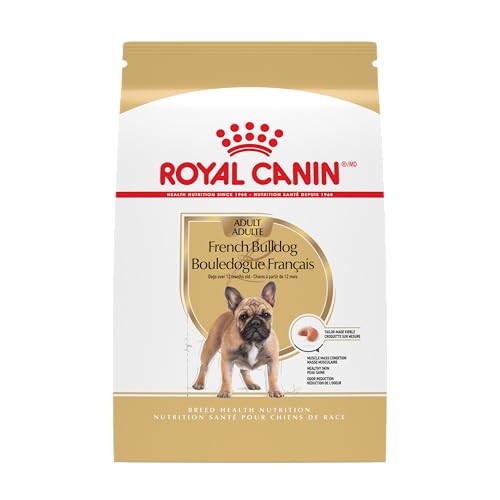
French Bulldogs have brachycephalic jaws that make picking up food difficult. Some breed-specific formulas, like Royal Canin French Bulldog Adult, design the kibble shape specifically for this jaw structure [citation:7][citation:10]. However, if that formula contains your dog's allergen, you'll need to find an alternative with a smaller or flatter kibble from another brand.
Best Dry Food Options by Category
These recommendations are organized by the type of solution they offer. Use them as a starting point for your conversation with your veterinarian — the best food for your individual Frenchie depends on their specific allergen profile.
Prescription Hydrolyzed Protein Diets
These are the gold standard for diagnosis and severe allergies. The protein is broken down into pieces too small for the immune system to recognize, stopping the allergic reaction. Brands like Hill's Prescription Diet d/d and Royal Canin Hypoallergenic require a vet prescription. Best for: elimination diet trials and dogs with multiple allergies.
premium / vet-prescriptionLimited-Ingredient Novel Protein (Over-the-Counter)
Formulas like Zignature (single protein: duck, turkey, kangaroo) or Natural Balance L.I.D. offer a step between regular kibble and prescription diets. They use one animal protein and limited carbs. Best for: Frenchies with a known sensitivity to chicken or beef who don't need a fully hydrolyzed diet.
mid-range to premiumFish-Based Skin & Coat Formulas
Salmon, whitefish, or trout-based kibble naturally provides omega-3s while avoiding chicken and beef. Look for formulas that explicitly state no chicken fat. These are excellent for Frenchies with environmental allergies as well, since the omega-3s help calm general inflammation.
mid-range to premiumBreed-Specific (If Allergy-Free)
Royal Canin French Bulldog Adult is designed for the breed's jaw and includes EPA/DHA for skin support. However, it contains poultry proteins and wheat, so it is not suitable for Frenchies with chicken or grain allergies. It works well for dogs without food sensitivities who need general skin support.
mid-rangeA Note on Reviews: Owner reviews can be helpful, but they are not a substitute for veterinary guidance. One Frenchie owner reported that Hill's d/d Potato & Salmon was the only food that stopped their dog's severe scratching after a 1.5-year search [citation:1]. Another found success with Brothers Lamb Meal & Egg for digestive issues [citation:16]. These are individual experiences — your dog's triggers may be completely different.
How to Run a Proper Elimination Diet
An elimination diet is the only reliable way to diagnose a food allergy. It's not glamorous, and it requires discipline, but it gives you answers that no amount of guessing can provide.
- Choose a novel protein or hydrolyzed diet. Work with your vet to select a food that contains a protein your Frenchie has never eaten. If you've been feeding chicken-based kibble and chicken treats, chicken is off the table. Duck, salmon, or a hydrolyzed prescription diet are common starting points.
- Feed ONLY the trial food for 8-12 weeks. This means no treats, no table scraps, no flavored medications, no dental chews, and no "just one bite" of anything else. The immune system needs time to calm down, and a single slip-up can reset the clock. This is the hardest part, but it's non-negotiable.
- Keep a symptom diary. Track itching intensity, paw licking, ear redness, and any digestive changes daily. Photos can help you see gradual improvements you might otherwise miss.
- Assess at the end of the trial. If symptoms improved significantly, you've likely identified a food allergy. If there's no change, the problem may be environmental, or you may have chosen a protein your dog is still reacting to.
- Challenge (if recommended by your vet). To confirm the diagnosis, your vet may suggest reintroducing the old food briefly. If symptoms return, the food allergy is confirmed. If not, you'll need to investigate environmental triggers.
If you're struggling to find a food that works, our guide to what to feed a dog with food allergies explores additional options, including home-cooked diets formulated with a veterinary nutritionist.
Transitioning to a New Food Without Digestive Upset
French Bulldogs are prone to digestive sensitivity, and a sudden food switch can cause diarrhea or vomiting. A gradual transition over 7-10 days is essential.
- Days 1-2: 75% old food, 25% new food
- Days 3-4: 50% old food, 50% new food
- Days 5-7: 25% old food, 75% new food
- Day 8+: 100% new food
If you see loose stools during the transition, slow down and stay at the current ratio for a few extra days. Some Frenchies have such sensitive stomachs that a 14-day transition works better than 7 days. Adding a probiotic during the switch can also help maintain gut balance.
Feeding Tip for Flat-Faced Dogs: French Bulldogs gulp air when they eat, which leads to gas and bloating. A slow feeder bowl can slow down their eating and reduce air intake. This is especially helpful if you're switching to a new food that they find particularly exciting.
Common Mistakes to Avoid
- Switching foods too frequently. Every switch resets the elimination trial clock and makes it impossible to identify triggers. Pick a food and commit to it for at least 8 weeks before judging results.
- Forgetting about treats and toppers. The trial food is only effective if it's the ONLY thing your dog eats. Use the trial kibble as treats, or find a single-ingredient treat that matches the trial protein (freeze-dried duck liver, for example).
- Assuming grain-free equals hypoallergenic. Most food allergies are to proteins, not grains. A grain-free chicken formula will still trigger a chicken-allergic dog [citation:5].
- Ignoring environmental factors. If a strict elimination diet doesn't improve symptoms, the problem may be environmental — pollen, dust mites, mold, or even your laundry detergent [citation:5]. Atopic dermatitis is common in Frenchies and may require medication alongside dietary management.
- Not involving your veterinarian. Skin problems in Frenchies can have multiple causes — food allergies, environmental allergies, parasites, or infections. A vet can rule out other causes and help you design an effective trial.
Frequently Asked Questions
The Bottom Line for Your Frenchie
Start with a conversation with your veterinarian. Ask about an elimination diet trial using a novel protein or a hydrolyzed prescription diet. Commit to 8-12 weeks of strict adherence — no cheating. Keep a symptom diary. If food allergies are confirmed, you'll finally have a clear path forward. If not, you can explore environmental allergy testing and management. Either way, you'll be closer to giving your French Bulldog the relief they deserve.