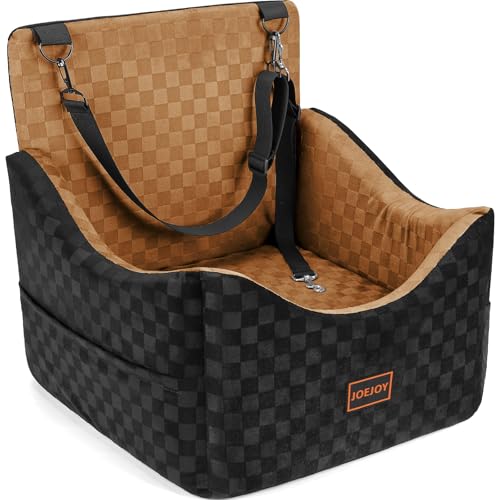
The Ultimate Guide to Dog Car Seats
Keep your furry co-pilot safe and comfortable on every journey. Learn how to choose the right dog car seat, booster, or carrier for your pet's size and your vehicle.
Driving with your dog can be one of the best parts of pet ownership — but it also comes with risks. An unrestrained dog can distract you, climb onto your lap, or become a projectile in a sudden stop. A dog car seat is not just a luxury; it's a safety essential that protects your dog and everyone in the vehicle.
Whether you're planning a cross-country road trip or just a trip to the vet, this guide will help you understand the options, choose the right fit, and keep your dog secure. We'll cover everything from booster seats to crash-tested crates, so you can make an informed decision.
Why Your Dog Needs a Car Seat
Many owners let their dogs ride loose in the car, assuming they'll be fine. But the reality is sobering: an unrestrained dog can be seriously injured or killed in a crash, and can also injure passengers. Even a minor fender-bender can send a 20-pound dog flying with the force of hundreds of pounds.
- Driver distraction: A dog on your lap or climbing around the cabin takes your attention off the road. Even a moment of distraction can cause an accident.
- Projectile risk: In a 35-mph crash, an unrestrained 60-pound dog can exert a force of over 2,700 pounds — enough to seriously injure or kill a passenger.
- Panic and escape: If your dog gets loose after an accident, they may run into traffic or become lost. A secure seat prevents this.
- Motion sickness and anxiety: Many dogs feel more secure when they have a designated, stable spot in the car. A car seat can reduce stress and motion sickness.
- Legal requirements: Some regions require pets to be restrained while traveling. A car seat helps you comply with local laws.
Did You Know? According to the Center for Pet Safety, a nonprofit research and advocacy organization, the majority of pet car seats on the market have not been crash-tested. Always look for a seat that has undergone independent crash testing to ensure it will actually protect your dog in an accident.
Types of Dog Car Seats
Dog car seats come in several styles, each designed for different sizes and travel needs. Here are the main categories:
Booster Seats
Raised platforms that let your dog see out the window. They typically attach to the car seat with a seat belt and have a tether to clip to your dog's harness. Best for small dogs who want to look around. Most are entry-level to mid-range in construction.
Entry-level to mid-rangeBasket-Style Car Seats
Fully enclosed seats with raised sides, similar to a small bed with a frame. They sit on the car seat and secure via seat belt. Offer more containment and often come with a clip-on tether. Suitable for small to medium dogs. Available in mid-range to premium options.
Mid-range to premiumConsole Seats
Designed to sit on the center console between the front seats. Ideal for very small dogs (under 10 lbs). They keep your dog close but still contained. Not suitable for larger dogs. Typically budget-friendly to mid-range.
Budget-friendly to mid-rangeCrash-Tested Car Seats
These are engineered and tested to withstand crash forces. They often look like standard booster seats but have reinforced structures and rigorous testing. They are the safest option for small to medium dogs. Typically premium to luxury tier.
Premium to luxuryFor larger dogs, a car seat may not be practical. Instead, consider a dog car harness or a crash-tested dog crate. Both are excellent alternatives that provide safety without a dedicated seat.
Choosing the Right Size
Size is the most important factor when selecting a dog car seat. A seat that's too small will be uncomfortable and unsafe; one that's too large won't provide adequate containment.
Measure Your Dog
Before you shop, measure your dog from the base of the tail to the front of the chest (length) and from the floor to the top of the head (height). Also note their weight. Most manufacturers list weight limits and dimensions.
| Dog Size | Weight Range | Recommended Seat Type |
|---|---|---|
| Toy / Extra Small | Under 10 lbs | Console seat or small booster |
| Small | 10–25 lbs | Booster seat or basket-style car seat |
| Medium | 25–50 lbs | Large basket-style car seat or crash-tested seat |
| Large | 50–90 lbs | Crash-tested crate or car harness |
| Giant | Over 90 lbs | Crash-tested crate or heavy-duty harness |
Always check the specific product's weight limit and dimensions. If your dog is between sizes, choose the larger size for comfort, but ensure they are still securely contained.
Safety Features to Look For
Not all dog car seats are created equal. When evaluating options, prioritize these safety features:
- Crash-test certification: Look for seats that have been tested by independent organizations like the Center for Pet Safety. This is the single most important factor.
- Secure attachment: The seat should attach to your vehicle using a seat belt or LATCH system. It should not move more than an inch when pulled.
- Internal tether: A strap that clips to your dog's harness prevents them from jumping out. Never attach the tether to a collar — use a harness to avoid neck injury.
- Reinforced structure: Strong materials, sturdy frames, and quality stitching are signs of a well-built seat.
- Washable cover: Accidents happen. A removable, machine-washable cover makes cleanup easy.
- Non-slip base: A textured bottom keeps the seat from sliding on leather or vinyl seats.
Pro Tip: Even the best car seat is only effective if your dog is properly secured. Always use a harness with the tether, and never attach the tether to a collar. A sudden stop can cause serious neck injury if the dog is tethered by the collar.
Installation Tips
Proper installation is critical. A poorly installed seat can become a hazard in a crash. Follow these steps:
- Read the manual: Every car seat is different. Follow the manufacturer's instructions exactly.
- Choose the right spot: The back seat is the safest place for your dog. Never install a car seat in the front seat if your vehicle has an active passenger airbag.
- Secure the seat: Thread the seat belt through the designated path or use LATCH connectors. Pull tight to remove slack.
- Check for movement: The seat should not move more than one inch side-to-side or front-to-back when you push or pull it.
- Attach the tether: Clip the internal tether to your dog's harness. Adjust it so your dog can sit, stand, and lie down comfortably, but cannot jump out.
- Test with your dog: Before a long trip, take a short drive to ensure your dog is comfortable and the seat stays secure.
Car Seats vs. Harnesses & Crates
A car seat is just one option for safe travel. Depending on your dog's size and temperament, a harness or crate may be a better fit.
Dog Car Harnesses
A crash-tested harness attaches to the seat belt and keeps your dog secure without a bulky seat. Best for medium to large dogs who are comfortable sitting on the seat. Look for a harness that has been crash-tested and fits snugly. Our dog car harness guide covers the top options.
Dog Crates
A crash-tested crate is often considered the gold standard for large dogs. It provides a secure, enclosed space and protects your dog from flying debris. However, crates take up more space and not all are crash-tested. See our dog crate guide for recommendations.
For air travel or train travel, a dog carrier is usually required. Many carriers can also be used in the car, but they must be secured with a seat belt or placed in a footwell to prevent movement.
Travel Tips for Anxious Dogs
Some dogs love car rides; others find them stressful. If your dog is anxious, these tips can help:
- Start slow: Begin with short trips around the block, then gradually increase distance. Reward calm behavior with treats and praise.
- Create positive associations: Feed meals near the car, then in the car with the engine off, then with the engine on. Make the car a happy place.
- Use calming aids: Products like calming chews, anxiety wraps, or pheromone diffusers can help reduce stress. Consult your vet before using any supplement.
- Secure a familiar blanket: A blanket from home can make the car seat feel more familiar and comforting.
- Avoid feeding right before travel: Give your dog a light meal a few hours before the trip to reduce motion sickness.
- Take breaks: On long trips, stop every 2–3 hours for a potty break and a short walk.
If your dog has severe anxiety, talk to your veterinarian. They may recommend anti-nausea medication or a mild sedative for long journeys.
Frequently Asked Questions
Ready to Hit the Road?
A safe dog car seat is one of the best investments you can make for your pet's well-being. Whether you choose a booster, a basket-style seat, or a crash-tested harness, the key is to secure your dog properly every time they ride with you. For more travel essentials, check out our guides on dog carriers, dog seat belts, and calming products for anxious travelers. Safe travels!