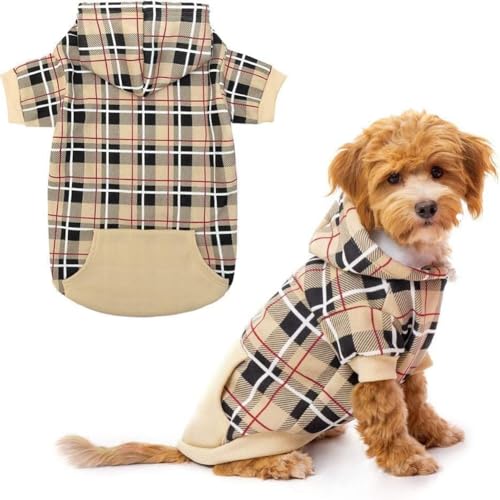
Dog Sweaters for Dogs: The Ultimate Warmth & Style Guide
Everything you need to know about choosing, fitting, and caring for dog sweaters — so your canine companion stays warm, comfortable, and stylish in every season.
A dog sweater is more than a cute accessory — for many dogs, it is a functional necessity. Small breeds, short-haired dogs, seniors, and dogs with low body fat struggle to maintain their body temperature in cold weather. A well-fitted sweater provides warmth, comfort, and protection against the elements.
But not all sweaters are created equal. The wrong fabric, poor fit, or unsafe design can cause discomfort, skin irritation, or even injury. This guide walks you through everything you need to know to choose the perfect sweater for your dog — from fabric selection to precise measuring to seasonal considerations. If you are new to dog apparel, start with our complete dog clothes guide for the bigger picture.
Why Dogs Need Sweaters
Not every dog needs a sweater, but many do. Understanding whether your dog falls into a category that benefits from added warmth helps you make an informed decision rather than buying based on cuteness alone.
Dogs That Benefit Most from Sweaters:
• Small breeds (Chihuahuas, Yorkies, Pomeranians) — high surface-area-to-volume ratio means faster heat loss
• Short-haired breeds (Boxers, Greyhounds, Dobermans) — minimal coat insulation
• Senior dogs — reduced circulation and arthritis make cold weather painful
• Dogs with medical conditions — heart disease, kidney disease, and endocrine disorders affect temperature regulation
• Puppies — immature thermoregulation systems need extra help
• Hairless breeds (Xoloitzcuintli, Chinese Crested) — no coat protection at all
The Science of Canine Temperature Regulation
Dogs regulate body temperature primarily through panting and vasodilation in their ears and paws. Unlike humans, they do not sweat through their skin. This makes them efficient at cooling but less effective at retaining heat in cold conditions. A dog's normal body temperature is 101–102.5°F, and when it drops below 99°F, hypothermia becomes a risk.
Small dogs lose heat faster than large dogs due to their higher surface-area-to-volume ratio. A Chihuahua in 40°F weather loses body heat roughly twice as fast as a Labrador. This is why you will see small dogs shivering in conditions that large dogs find comfortable.
When Sweaters Are Essential vs. Optional
Essential situations: Temperatures below 45°F for small or short-haired breeds. Senior dogs with arthritis. Dogs recovering from surgery or illness. Post-grooming when the coat is shortened.
Optional situations: Temperatures between 45–60°F for dogs with moderate coats. Indoor environments with drafts. Fashion and photo opportunities. Dogs with thick double coats generally do not need sweaters and may overheat.
Important: Never leave a sweater on a dog unsupervised for extended periods. Overheating is just as dangerous as hypothermia. If your dog is panting, seeking cool surfaces, or trying to remove the sweater, it is too warm. For dogs with anxiety, a snug sweater can sometimes provide a calming effect similar to an anxiety wrap, but this is not a substitute for proper behavioral care.
Types of Dog Sweaters
The market offers dozens of sweater styles, each designed for different needs. Understanding the differences helps you match the sweater to your dog's body shape, activity level, and climate.
Pullover Sweaters
The classic style that slips over the head and has leg holes for the front paws. Best for dogs comfortable with dressing and easy to put on. Look for stretchy neck openings for easy on-and-off. Not ideal for dogs who dislike having things pulled over their heads.
Entry-level to mid-rangeVelcro or Snap Closure Sweaters
Wrap around the body and secure with Velcro, snaps, or buttons. Easiest to put on and remove, making them ideal for senior dogs, arthritic dogs, or dogs with limited mobility. Adjustable fit accommodates dogs with unusual proportions. Can loosen over time with frequent use.
Mid-rangeTurtleneck Sweaters
Feature a high collar that covers the neck. Excellent for breeds with thin necks or those prone to cold ears. Must fit properly — a too-tight turtleneck restricts breathing and swallowing. Best for calm dogs who won't try to chew the collar.
Mid-rangeSweater Vests
Sleeveless design that covers the torso but leaves the front legs free. Great for active dogs who need warmth without restricted movement. Often used as a base layer under jackets. Easier to fit on dogs with broad chests or unusual leg placement.
Entry-level to mid-rangeFull-Body Sweaters
Cover the torso, front legs, and sometimes the hind legs. Maximum warmth for extreme cold or hairless breeds. Can restrict movement and are harder to put on. Not recommended for dogs who need full range of motion for exercise or play.
Mid-range to premiumHooded Sweaters
Include a hood that covers the head and ears. Excellent for breeds with large, thin ears prone to frostbite. Some dogs tolerate hoods; others find them distressing. Always ensure the hood does not obstruct vision or hearing.
Mid-rangeKnitted Wool Sweaters
Traditional wool construction offers superior insulation and breathability. Best for cold, dry climates. Requires hand washing and careful drying to prevent shrinkage. Not ideal for wet or muddy conditions as wool becomes heavy and loses insulating properties when wet.
PremiumFleece Sweaters
Lightweight, quick-drying, and machine washable. Excellent for active dogs and mild winters. Provides warmth without bulk. Less durable than wool or acrylic blends. Ideal for layering under raincoats or winter jackets.
Entry-level to mid-rangeFabric Guide for Dog Sweaters
The fabric determines warmth, durability, ease of care, and comfort. Choosing the right material for your climate and your dog's needs is just as important as getting the right size.
| Fabric | Warmth | Breathability | Durability | Ease of Care | Best For |
|---|---|---|---|---|---|
| Acrylic | High | Low | Moderate | Machine washable | Budget-friendly everyday wear |
| Polyester Fleece | Moderate | Moderate | High | Machine washable | Active dogs, layering |
| Merino Wool | Very High | High | High | Hand wash, air dry | Cold climates, premium comfort |
| Cotton | Low | Very High | Moderate | Machine washable | Mild weather, sensitive skin |
| Cotton-Poly Blend | Moderate | High | High | Machine washable | All-purpose, everyday use |
| Chenille | Moderate | Moderate | Low | Hand wash recommended | Indoor wear, gentle comfort |
Fabric Selection Tip: For dogs with sensitive skin, choose natural fibers like cotton or merino wool over synthetic fabrics. Synthetic materials can trap moisture and cause irritation. If your dog has known skin allergies, wash new sweaters before first use with a gentle dog-safe detergent.
How to Measure Your Dog for a Sweater
Proper measurement is the single most important factor in sweater selection. A sweater that is too tight restricts movement and breathing; one that is too loose slips off and creates tripping hazards. Take measurements with your dog standing on all fours, using a soft measuring tape.
Three Essential Measurements
- Chest Girth (Most Important): Measure the widest part of the ribcage, just behind the front legs. This is the primary measurement for sizing. Pull the tape snug but not tight — you should be able to fit two fingers underneath.
- Back Length: Measure from the base of the neck (where the collar sits) to the base of the tail. This determines how far down the back the sweater will extend. For male dogs, ensure the sweater does not cover the genital area.
- Neck Circumference: Measure around the neck where a collar would sit. This ensures the neck opening is comfortable — not strangling, not falling off.
Additional Considerations
- Body Shape: Dogs with deep chests (Greyhounds, Boxers) need sweaters designed for their proportions. Standard sizes often gap at the chest.
- Leg Placement: Some sweaters have leg holes positioned for specific body types. If your dog has unusually short or long legs, look for adjustable designs.
- Coat Thickness: A dog with a thick winter coat needs a larger size than the same dog measured in summer.
- Layering: If you plan to layer a sweater under a jacket, size up to accommodate both garments.
Sizing Rule of Thumb: When between sizes, always size up. A slightly loose sweater can be adjusted; a tight sweater can cause chafing, restrict breathing, and create behavioral resistance to wearing clothes. Most manufacturers provide size charts specific to their brand — always use the manufacturer's chart rather than generic sizing.
Choosing the Right Fit
A properly fitted sweater stays in place during movement, does not restrict range of motion, and does not create pressure points. Here is how to evaluate fit before and after purchase.
Signs of a Good Fit
- Sweater stays in place when the dog walks, runs, and sits
- Two fingers fit comfortably under the neck opening
- Leg holes do not bind or chafe the armpits
- The dog moves naturally without stiffness or hesitation
- The back length covers the torso without interfering with elimination
- The chest area lies flat without gaping or bunching
Signs of a Poor Fit
- Dog tries to remove the sweater or refuses to move
- Visible red marks or fur indentations after removal
- Sweater twists or shifts to one side during movement
- Leg holes dig into the armpits or restrict leg movement
- Neck opening slides down over the shoulders
- Back hem drags on the ground or catches on the tail
Fit Testing Tip: Before removing tags, put the sweater on your dog and let them wear it for 10–15 minutes indoors. Watch how they move, sit, and lie down. If they show any signs of discomfort, return or exchange it. A sweater that does not fit properly will never be worn willingly.
Safety Considerations
Dog sweaters are generally safe when used correctly, but certain risks exist that every owner should understand.
Overheating Risk
The most common sweater-related danger is overheating. Dogs cannot sweat through their skin, so they rely on panting to cool down. A sweater traps heat against the body, making it harder for them to regulate temperature. Never leave a sweater on a dog in warm indoor environments or during active play. Signs of overheating include excessive panting, drooling, bright red gums, and lethargy. If you see these signs, remove the sweater immediately and move the dog to a cool area.
Choking and Strangulation Hazards
Sweaters with loose-fitting neck openings, dangling ties, or decorative elements can become caught on objects. Remove any sweater with loose threads, buttons, or embellishments that could be chewed off and swallowed. Never use a sweater with a neck opening that is too tight — it can restrict breathing and cause choking. If your dog wears a collar with identification tags, ensure the sweater does not cover or interfere with the tags.
Skin Irritation and Allergies
Some dogs develop contact dermatitis from certain fabrics, dyes, or detergents. If you notice redness, itching, or hair loss under the sweater, discontinue use and consult your veterinarian. Dogs with known sensitive skin should wear sweaters made from natural, undyed fibers.
Mobility Restrictions
Ill-fitting sweaters can restrict movement and cause falls, especially in senior dogs or dogs with joint issues. If your dog has mobility problems, look for sweaters designed specifically for dogs with limited mobility or consider a vest style that leaves the legs free.
Supervision is Mandatory: Never leave a dog wearing a sweater unattended for extended periods. Dogs can become entangled in their clothing, chew through fabric and swallow pieces, or overheat without showing obvious signs until it is too late. Sweaters are for supervised wear only.
Cleaning & Care Tips
Dog sweaters accumulate dirt, oils, and dander just like human clothing. Regular cleaning prevents skin irritation and keeps the sweater looking good. Always check the care label before washing.
General Cleaning Guidelines
- Machine washable fabrics (acrylic, polyester fleece, cotton blends): Wash on gentle cycle in cold water with a pet-safe detergent. Turn the sweater inside out to protect the outer surface.
- Hand-wash only fabrics (wool, chenille): Use cool water and a gentle detergent. Gently squeeze — never wring or twist. Lay flat to dry away from direct heat.
- Frequency: Wash after every 3–5 wears, or immediately if the sweater becomes soiled or wet. Dogs with skin conditions may require more frequent washing.
- Drying: Air dry is always safest. If using a dryer, use the lowest heat setting and remove while still slightly damp to prevent shrinkage.
Stain and Odor Removal
For stubborn stains or odors, pre-treat with an enzyme-based cleaner designed for pet messes. Avoid fabric softeners and dryer sheets — they can leave residues that irritate your dog's skin. If the sweater has been exposed to parasites, wash it in hot water (if the fabric allows) and dry on high heat to kill eggs and larvae. This is especially important if your dog has been treated for fleas or ticks — see our guide to parasite prevention for more details.
Storage Tip: Store clean, dry sweaters in a breathable cotton bag or pillowcase. Avoid plastic bags, which trap moisture and encourage mildew. Add a cedar block or lavender sachet to deter moths and keep the sweater smelling fresh.
Seasonal Sweater Guide
Different seasons call for different sweater strategies. This guide helps you rotate your dog's wardrobe appropriately throughout the year.
Winter (Below 40°F)
This is peak sweater season. Choose heavy knits, wool blends, or fleece-lined sweaters for maximum warmth. For very cold climates, layer a sweater under a waterproof winter jacket. Ensure the sweater covers the chest and belly — these areas lose heat fastest. Senior dogs with arthritis benefit from sweaters indoors as well, especially in drafty homes. If your dog has joint issues, consider pairing warmth with joint supplements for comprehensive care.
Spring (40–60°F)
Transitional weather calls for lighter sweaters. Cotton blends and lightweight fleece provide warmth without overheating during active walks. Keep a sweater handy for chilly mornings and evenings. Dogs with thick coats may not need sweaters at all during this season.
Summer (Above 70°F)
Sweaters are generally unnecessary and potentially dangerous in summer heat. However, thin cotton sweaters can protect dogs with sensitive skin from sunburn and insect bites. If you use a summer sweater, choose light colors that reflect heat and remove it immediately if your dog shows signs of overheating. Never leave a dog in a sweater in a hot car.
Fall (50–65°F)
Fall is a great time for stylish sweaters. Medium-weight knits and fleece sweaters provide comfortable warmth for morning and evening walks. This is also the season to check that last year's sweaters still fit — dogs' bodies change with age, weight fluctuations, and coat growth.
Common Mistakes to Avoid
These mistakes are made by well-meaning owners every day. Learning from them now prevents discomfort for your dog and wasted money for you.
- Buying based on size labels, not measurements. Sizing varies wildly between brands. A "medium" in one brand may be a "small" in another. Always measure your dog and compare to the specific manufacturer's size chart.
- Choosing style over safety. Decorative buttons, bows, and dangling embellishments can be chewed off and swallowed, causing choking or intestinal blockage. Prioritize safety features over fashion.
- Ignoring your dog's comfort signals. If your dog freezes, tucks their tail, tries to remove the sweater, or refuses to walk, the sweater is not working for them. Respect their signals and try a different style or fit.
- Leaving sweaters on too long. Sweaters should be worn during specific activities, not 24/7. Remove them for sleeping, grooming, and active play to prevent overheating and skin issues.
- Skipping the wash. Dirty sweaters harbor bacteria, yeast, and parasites that can cause skin infections. Wash regularly, especially if your dog has allergies or skin conditions.
- Using human detergent. Human laundry detergents contain perfumes and chemicals that can irritate a dog's skin and respiratory system. Use pet-safe detergent or a fragrance-free, dye-free option.
- Forgetting about the tail. Sweaters that are too long in the back can interfere with tail movement and elimination. Check that the back hem sits above the tail base.
- Assuming all dogs need sweaters. Double-coated breeds like Huskies, Malamutes, and Samoyeds are built for cold weather. Putting a sweater on them can cause overheating. Know your breed's needs before buying.
Frequently Asked Questions
Ready to Choose the Perfect Sweater?
Now that you understand the types, fabrics, and fit requirements, you are ready to make an informed decision. Start by measuring your dog carefully, then choose a sweater that matches your climate and your dog's activity level. Remember that comfort and safety always come before style. A sweater that fits well and suits your dog's needs will be worn willingly and provide real benefits. For more ways to keep your dog comfortable and safe, explore our guides on paw protection and dog safety.