Dog Travel Essentials: The Complete Packing Guide
Everything you need to keep your dog safe, comfortable, and happy on road trips, flights, and outdoor adventures — from crash-tested car harnesses to travel first aid kits.
Traveling with your dog can be one of the most rewarding experiences you share together — or one of the most stressful if you're unprepared. The difference comes down to having the right gear, understanding your dog's needs, and planning ahead for every stage of the journey.
Whether you're planning a weekend road trip, a cross-country move, or a flight to visit family, this guide covers every dog travel essential you need. We'll walk through car safety systems, packing checklists, health considerations, and the gear that actually makes a difference — so you can focus on enjoying the adventure instead of worrying about what you forgot.
Planning Your Trip with Your Dog
Before you pack a single item, you need to answer some fundamental questions about your trip. The answers will determine exactly what gear you need and how you prepare your dog.
Key Questions to Answer First
- How long is the journey? A two-hour drive requires very different preparation than a two-day cross-country trip. Longer trips need more food, water, waste bags, and comfort items.
- What's the destination like? A pet-friendly hotel has different needs than a camping trip in the wilderness. Check ahead for pet policies, nearby vet clinics, and off-leash areas.
- How does your dog travel? Some dogs love car rides; others get anxious or carsick. Understanding your dog's travel temperament determines whether you need calming aids, a crate, or both.
- What's the weather forecast? Hot weather requires cooling mats and extra water; cold weather requires dog sweaters or coats. Extreme temperatures may mean leaving your dog at home.
- Are there any health restrictions? Senior dogs, puppies, and dogs with medical conditions may need special accommodations. Consult your veterinarian before any long trip.
Pre-Trip Veterinary Check
Schedule a vet visit 1-2 weeks before any major trip. Ensure vaccinations are current (especially rabies), get a health certificate if flying, refill any prescriptions, and discuss motion sickness prevention if your dog is prone to car sickness.
Ask your vet about calming products if your dog has travel anxiety. Natural options like pheromone sprays or anxiety wraps can help without sedating your dog.
Car Safety & Restraint Systems
This is the most important section in this guide. An unrestrained dog in a moving vehicle is a danger to themselves, to you, and to everyone else on the road. In a crash, an unsecured dog becomes a projectile — and even a small dog can cause fatal injuries to human passengers.
| Restraint Type | Best For | Safety Level | Key Considerations |
|---|---|---|---|
| Crash-Tested Crate | All dogs, especially anxious ones | Highest | Must be secured with seat belt or tie-downs. Provides den-like security. Best for dogs who are crate-trained. |
| Car Harness + Seat Belt | Dogs who dislike crates | High | Must be crash-tested and properly fitted. Allows dog to sit, stand, or lie down. Look for wide, padded chest straps. |
| Car Seat / Booster | Small dogs under 20 lbs | Medium-High | Elevates dog to see out window. Must be secured with seat belt. Look for models with internal safety tethers. |
| Back Seat Barrier | SUVs and hatchbacks | Medium | Keeps dog in cargo area. Not a substitute for a crate or harness in a crash. Best used as a supplement. |
| Loose in Car | Never | Dangerous | Distracts driver, can cause accidents, becomes a projectile in crashes, and can escape through windows or doors. |
Safety Tip: Regardless of which restraint system you choose, always secure it properly before driving. A crate that isn't tied down will slide and tip in a sudden stop. A harness that isn't attached to a seat belt provides zero protection. Test your setup before you hit the road.
Choosing the Right Car Restraint for Your Dog
- Measure your dog accurately. Whether you choose a crate or harness, fit is critical. A harness that's too loose won't restrain your dog; one that's too tight restricts movement and causes chafing.
- Look for crash-test certification. Not all pet restraints are tested for safety. Look for products that have been tested by independent organizations and meet established safety standards.
- Consider your dog's temperament. Anxious dogs often feel safer in a crate they can't see out of. Confident dogs may prefer a harness that lets them look out the window.
- Practice before the trip. Introduce the crate or harness at home with positive reinforcement. Let your dog get comfortable with it before you expect them to spend hours in it.
- Never use a regular collar as a car restraint. A collar can choke or injure your dog's neck in a crash. Always use a properly fitted harness or crate.
The Essential Dog Travel Kit
Every dog trip — from a quick vet visit to a cross-country adventure — requires a core set of essentials. Keep these items packed and ready to go so you never have to scramble at the last minute.
Leash & Collar with ID
Your dog should always wear a collar with current ID tags, even inside the car. Bring a spare leash — they get lost, chewed, or left behind. A quality leash with a secure clip is non-negotiable. Consider a dog harness for walks if your dog pulls.
Essential — All TripsWaste Bags & Cleanup Supplies
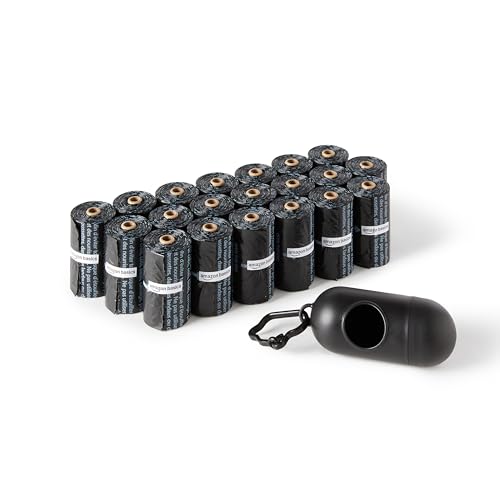
Bring more waste bags than you think you need. Accidents happen, especially in new environments. Pack paper towels, pet-safe stain remover, and hand sanitizer for emergencies. A small travel mat can protect car seats and hotel floors.
Essential — All TripsFood & Water Bowls
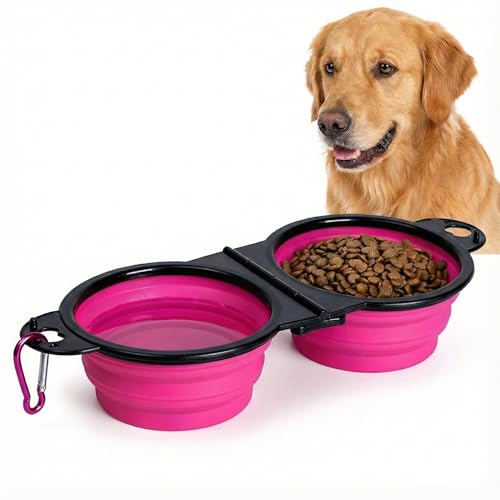
Collapsible travel bowls save space and are easy to clean. Bring separate bowls for food and water, or a combined travel bowl system. A dog water bottle designed for travel makes hydration on the go easier.
Essential — All TripsFirst Aid Kit
A dedicated dog first aid kit is essential for any trip. Include gauze, bandages, antiseptic, tweezers, a thermometer, styptic powder, and any medications your dog takes. Add emergency vet contact numbers for your destination.
Essential — All TripsTravel Crate or Carrier
A travel crate or carrier gives your dog a safe, familiar space wherever you go. Look for collapsible models that are easy to transport and store. For large dogs, consider a kennel designed for large breeds.
Essential — Most TripsTravel Bed or Mat
A familiar dog bed or travel mat helps your dog settle in unfamiliar places. Look for washable, portable options that roll up or fold flat. This is especially important for hotel stays and visits to friends' homes.
Essential — Overnight TripsMedications & Supplements
Bring enough of your dog's regular supplements and medications for the entire trip plus extra in case of delays. If your dog takes joint supplements or green-lipped mussel for mobility, don't forget them.
Essential — All TripsGrooming Basics
Pack a brush, dog shampoo (for unexpected messes), and nail clippers if your trip is long. A travel dryer is useful if your dog will be swimming. Keep grooming simple on the road.
Recommended — Longer TripsFood, Water & Feeding on the Go
Changing your dog's diet abruptly — even to a "better" food — can cause digestive upset. On the road, consistency is key. Bring your dog's regular food from home, even if it takes up space.
How Much Food to Bring
- Calculate daily portions: Measure out exactly how much your dog eats per day, then multiply by the number of days you'll be away. Add an extra day's worth as a buffer for delays.
- Pre-portion in bags: Use zip-top bags or small containers to pre-portion each meal. This saves space, prevents overfeeding, and makes feeding time fast and easy.
- Bring familiar food: If you're traveling internationally or to a remote area, bring enough food for the entire trip. You may not be able to find your dog's brand.
- Consider a travel food container: A sealed container keeps food fresh and prevents spills in the car. Look for models with secure lids and easy-pour spouts.
Hydration on the Road
Dogs can become dehydrated quickly, especially in hot weather or during stressful travel. Offer water every 2-3 hours during car rides, and always bring more than you think you need.
- Bring water from home: Some dogs get upset stomachs from unfamiliar water. Bringing a supply from home can prevent digestive issues.
- Use a travel water bottle: A dog water bottle with a built-in trough makes it easy to offer water without stopping and unpacking bowls.
- Watch for signs of dehydration: Dry gums, lethargy, loss of skin elasticity, and sunken eyes are warning signs. If you see these, stop and offer water immediately.
- Don't let your dog drink from puddles or unknown sources: Standing water can contain parasites, bacteria, or chemicals. Always use fresh water you've brought with you.
Feeding Tip: Feed your dog a light meal 3-4 hours before departure, not right before you leave. A full stomach increases the risk of motion sickness and vomiting. If your dog is prone to carsickness, don't feed them within 2 hours of travel.
Comfort & Familiarity Items
Dogs are creatures of habit. New environments can be stressful, but familiar items from home provide comfort and help your dog settle faster. Pack a "comfort kit" for your dog alongside your own luggage.
Items That Provide Comfort
- Favorite toys: Bring 1-2 of your dog's favorite toys from home. Interactive puzzle toys can keep them entertained in hotels or rentals.
- Chew items: A chew toy or long-lasting chew can reduce anxiety and provide an outlet for stress during travel.
- Familiar blanket or bed: The smell of home is powerful. A bed or blanket your dog already loves helps them relax in new places.
- Calming aids: If your dog has travel anxiety, consider calming products, anxiety wraps, or pheromone diffusers for hotel rooms.
- Pheromone spray: Spraying your dog's crate or travel mat with a dog-appeasing pheromone can reduce anxiety in unfamiliar environments.
The Power of Familiar Scents
Dogs rely heavily on scent to feel secure. Bringing items that smell like home — a blanket, a toy, or even an unwashed t-shirt — can dramatically reduce travel stress. Don't wash these items before the trip.
For dogs with separation anxiety, having familiar items nearby can make the difference between a relaxed dog and a distressed one.
Health & First Aid for Travel
Health emergencies don't take vacations. Being prepared for injuries, illnesses, or unexpected reactions to new environments is essential for every dog owner who travels.
What to Pack in Your Travel First Aid Kit
- Gauze pads and bandages: For wrapping wounds and controlling bleeding. Include self-adhesive bandage wrap and medical tape.
- Antiseptic wipes and solution: For cleaning minor cuts and scrapes. Avoid alcohol or hydrogen peroxide, which can damage tissue.
- Digital thermometer: Normal dog temperature is 101-102.5°F. A fever indicates illness; low temperature can indicate shock.
- Tweezers and tick removal tool: For removing ticks, splinters, or foreign objects from paws. Tick prevention is essential, but you should still check after every outdoor adventure.
- Styptic powder: Stops bleeding from minor nail injuries. A must-have if your dog will be hiking or running on rough terrain.
- Syringe (without needle): For flushing wounds or administering oral medications. Also useful for giving water to a dehydrated dog.
- Emergency contact list: Your regular vet's number, the nearest emergency clinic at your destination, and a pet poison control hotline.
- Any prescription medications: Bring extra in case of delays. Keep medications in their original containers with clear labels.
When to Seek Emergency Veterinary Care
During travel, watch for these warning signs: difficulty breathing, repeated vomiting or diarrhea, collapse, seizures, suspected poisoning, heat stroke, or any sudden change in behavior. Don't wait to see if it improves — find the nearest emergency vet immediately.
If your dog has a pre-existing condition like kidney disease or liver disease, consult your vet before travel about any special precautions.
Parasite Prevention During Travel
New environments mean new parasite risks. If you're traveling to an area with different parasites than your home region, talk to your vet about additional protection.
- Flea and tick prevention: Keep your dog on year-round parasite prevention, even during travel. Flea and tick tablets are convenient for travel.
- Heartworm prevention: Don't skip monthly heartworm prevention, even on vacation. Heartworm is transmitted by mosquitoes and is present in all 50 states.
- Check after outdoor activities: After hiking or walking in tall grass, check your dog thoroughly for ticks. Pay attention to ears, armpits, groin, and between toes.
- Bring a dog tracker or GPS tracker: If your dog gets lost in an unfamiliar area, a GPS tracker dramatically increases your chances of finding them quickly.
Flying with Your Dog
Air travel with a dog requires significantly more preparation than car travel. Airlines have strict rules about carrier sizes, health documentation, and which pets can fly in the cabin versus cargo.
| Aspect | In-Cabin | Cargo |
|---|---|---|
| Size Limit | Usually under 15-20 lbs (varies by airline) | Larger dogs that don't fit in-cabin |
| Carrier Requirements | Soft-sided carrier that fits under seat | Hard-sided crate meeting IATA standards |
| Cost | Typically charged as a carry-on pet fee | Usually higher than in-cabin fees |
| Safety Considerations | Dog stays with you; can monitor stress | Temperature-controlled but stressful; higher risk for flat-faced breeds |
| Advance Booking | Essential — limited spots per flight | Essential — must reserve space |
Documents You Need for Flying
- Health certificate: Issued by a veterinarian within 10 days of travel (some airlines require 30 days). Must state your dog is healthy and current on rabies vaccination.
- Rabies vaccination proof: Original certificate, not a copy. Some destinations require a specific type of rabies vaccine.
- Airline-specific forms: Most airlines require a signed form confirming your dog can fly. Check your airline's website for their specific requirements.
- International documentation: If flying internationally, you may need an import permit, United States Department of Agriculture endorsement, microchip documentation, and proof of parasite treatment. Start this process months in advance.
Flying Tip: Book a direct flight if possible. Takeoffs and landings are the most stressful parts of flying for dogs. A direct flight minimizes stress and reduces the risk of your dog being left on a tarmac or misrouted. Avoid connecting flights whenever you can.
Outdoor & Adventure Travel Gear
If your travel plans include hiking, camping, swimming, or other outdoor activities, you'll need specialized gear to keep your dog safe and comfortable.
Dog Life Jacket
Essential for boating, paddleboarding, or any water activity. A dog life jacket should have a sturdy handle for lifting your dog out of the water and reflective strips for visibility. Even strong swimmers tire quickly in open water.
Essential — Water ActivitiesPaw Protection
Hot pavement, rocky trails, and icy surfaces can injure your dog's paws. Paw protection in the form of dog shoes or paw wax protects against burns, cuts, and abrasions. Bring paw balm for after-hike recovery.
Essential — Hiking & Extreme WeatherDog Backpack
For longer hikes, a dog backpack lets your dog carry their own water, food, and supplies. Look for models with adjustable straps, padded chest and belly panels, and removable saddlebags. Start with light loads to build your dog's fitness.
Recommended — Hiking & CampingPortable Water Bottle
A dog water bottle with a built-in drinking trough is essential for outdoor adventures. Look for leak-proof designs with enough capacity for your dog's size and the length of your activity.
Essential — All Outdoor ActivitiesCooling Mat or Vest
For hot weather travel, a cooling mat or vest helps prevent heat stroke. These use evaporation or gel technology to lower your dog's body temperature. Especially important for flat-faced breeds and dogs with thick coats.
Essential — Hot Weather TravelDog Ramps or Steps
If your dog is a senior or has mobility issues, a dog ramp or dog steps helps them get in and out of the car without jumping. This protects joints and prevents injury. Essential for dogs with mobility challenges.
Essential — Senior or Mobility-Impaired DogsCommon Dog Travel Mistakes to Avoid
Even experienced dog owners make these mistakes. Learning from them now prevents problems later.
- Not securing your dog in the car. This is the most dangerous mistake. An unrestrained dog can distract you while driving, escape through an open window or door, and become a deadly projectile in a crash.
- Feeding a full meal right before travel. This dramatically increases the risk of motion sickness and vomiting. Feed a light meal 3-4 hours before departure instead.
- Forgetting to bring enough water. Dogs can become dehydrated quickly, especially in hot weather. Always bring more water than you think you need, and offer it frequently.
- Leaving your dog alone in a parked car. Even with windows cracked, the temperature inside a car can rise to dangerous levels within minutes. Never leave your dog unattended in a vehicle.
- Skipping parasite prevention. New environments mean new parasite risks. Keep your dog on year-round parasite prevention and check for ticks after outdoor activities.
- Not bringing identification. Your dog should wear a collar with current ID tags at all times. A microchip provides permanent identification if your dog gets lost. Consider a tracker for added security.
- Changing your dog's food during travel. Abrupt diet changes cause digestive upset. Bring your dog's regular food from home, even if it takes up extra space.
- Assuming all hotels are pet-friendly. Always call ahead to confirm pet policies, including size restrictions, fees, and whether pets can be left alone in rooms.
Frequently Asked Questions
Ready to Hit the Road?
Traveling with your dog doesn't have to be stressful. Start with the essentials: a secure car restraint, your dog's regular food and water, a first aid kit, and familiar comfort items. Build your travel kit over time as you learn what works for your dog. The most important thing is that you're prepared and your dog is safe. Every trip you take together strengthens your bond and opens up a world of adventures. For more gear recommendations, check our dog travel accessories guide, and if you're planning outdoor adventures, don't miss our tips on dog safety.