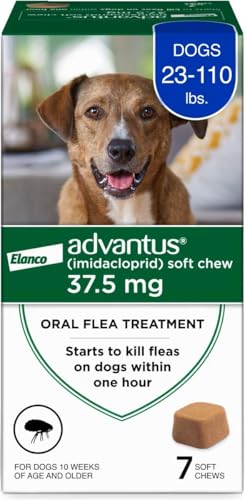
Dog Tablets for Fleas and Ticks: What You Need to Know
Oral flea and tick tablets offer a convenient, effective way to protect your dog from parasites. Learn how they work, what to look for, and how to choose the right option for your pet.
Fleas and ticks are more than just a nuisance — they can cause serious health problems for your dog. Fleas can trigger allergic dermatitis, transmit tapeworms, and cause anemia in severe infestations. Ticks can transmit dangerous diseases like Lyme disease, ehrlichiosis, and Rocky Mountain spotted fever. Protecting your dog requires a consistent, effective parasite prevention strategy.
Among the many options available, dog tablets for fleas and ticks have become increasingly popular. These oral medications offer a convenient alternative to topical treatments, providing systemic protection that works from the inside out. This guide explains everything you need to know about oral flea and tick tablets so you can make an informed decision for your dog's health.
Important Note: This guide is for educational purposes. Always consult your veterinarian before starting any parasite prevention program, especially if your dog has existing health conditions, is pregnant, nursing, or is very young or old. Your vet can recommend the safest and most effective option for your specific dog.
How Oral Flea and Tick Tablets Work
Understanding the mechanism behind oral flea and tick tablets helps you appreciate why they are so effective and how they differ from other treatment options.
When your dog swallows an oral flea and tick tablet, the active ingredient is absorbed through the digestive system into the bloodstream. From there, it is distributed throughout the body's tissues. When a flea or tick bites your dog and begins feeding on blood, it ingests the medication along with the blood. The active ingredient then attacks the parasite's nervous system, causing paralysis and death.
This systemic approach means that the medication is already inside your dog's body, ready to kill parasites as soon as they bite. Unlike topical treatments that sit on the skin surface, oral tablets don't leave a residue on your dog's fur. This makes them a great choice for households with children who frequently pet the dog, or for dogs who swim frequently and might wash off topical products.
The speed at which oral tablets kill fleas and ticks varies by product. Some begin killing fleas within 30 minutes to 4 hours, while tick-killing speed ranges from 4 to 24 hours. Faster killing is important because it reduces the time parasites have to feed and potentially transmit diseases.
Key Point: Oral flea and tick tablets don't repel parasites — they kill them after they bite. This means your dog can still bring fleas and ticks into your home, but those parasites will die before they can reproduce and cause an infestation. Combining oral prevention with regular tick checks and environmental flea control provides the best protection.
Benefits of Oral Flea and Tick Treatments
Oral flea and tick tablets offer several advantages that make them a preferred choice for many dog owners:
- Convenience: No need to worry about applying topical treatments correctly or waiting for them to dry. Simply give your dog the tablet, and protection begins. Most dogs accept them easily when hidden in treats or food.
- No residue: Unlike topical treatments, oral tablets leave no greasy spots on your dog's fur. There's no risk of transferring medication to humans or other pets through contact.
- Waterproof protection: Because the medication works internally, swimming, bathing, or getting caught in the rain won't reduce effectiveness. This is a significant advantage over topical products that can wash off.
- Fast-acting: Many oral products start killing fleas within hours, providing rapid relief for dogs with existing infestations. Some also kill ticks quickly enough to reduce disease transmission risk.
- Full-body coverage: Oral medications protect the entire body, including areas that are difficult to reach with topical treatments, such as between the toes or under the collar.
- No separation anxiety for multi-pet homes: Unlike topical treatments that require separating pets to prevent them from licking the medication off each other, oral tablets eliminate this concern.
- Easy dosing accuracy: Tablets are pre-measured by weight, ensuring your dog gets the correct dose every time without the guesswork of measuring liquid or applying topical treatments.
For dogs with sensitive skin or allergies to topical products, oral tablets can be an excellent alternative. They bypass the skin entirely, eliminating the risk of local reactions like redness, itching, or hair loss at the application site.
Types of Oral Flea and Tick Products
Oral flea and tick products come in several forms, each with its own advantages. Understanding the differences helps you choose the right option for your dog.
Chewable Tablets
These are flavored tablets designed to be chewed and swallowed like a treat. They are the most common form of oral flea and tick medication. Most dogs accept them readily, especially when flavored with beef or chicken. Chewables are convenient and easy to administer.
entry-level to premiumStandard Tablets
These are traditional pills that must be swallowed whole, often hidden in food or treats. They may be coated for easier swallowing. Standard tablets are typically more affordable than chewables but may be harder to administer to picky dogs.
budget-friendly to mid-rangeSoft Chews
These have a softer, more pliable texture than hard chewables. They are often more palatable for senior dogs or dogs with dental issues. Soft chews combine the convenience of chewables with a texture that's easier to eat.
mid-range to premiumFlavored Tablets
These are standard tablets with added flavoring to make them more appealing. They may still need to be hidden in food, but the flavor helps mask the taste of the medication. Available in various flavors like beef, chicken, or liver.
mid-rangeSome oral products combine flea and tick prevention with other parasite control, such as heartworm prevention or deworming. These all-in-one options can simplify your dog's preventive care routine, but they may not be suitable for dogs with certain health conditions. Always discuss combination products with your veterinarian.
Key Active Ingredients Explained
Understanding the active ingredients in oral flea and tick tablets helps you make informed decisions and have meaningful conversations with your veterinarian. Here are the most common active ingredients found in oral parasite prevention products:
Isoxazoline-Class Ingredients
This class of insecticides includes some of the most effective oral flea and tick treatments available. They work by blocking specific neurotransmitter receptors in parasites, causing paralysis and death. Isoxazolines are highly effective against both fleas and ticks and are generally well-tolerated by dogs when used as directed.
- Afoxolaner: Kills fleas and several tick species. Begins killing fleas within hours. Provides monthly protection.
- Fluralaner: Offers up to 12 weeks of flea and tick protection with a single dose. One of the longest-lasting oral options available.
- Sarolaner: Provides monthly flea and tick protection. Effective against multiple tick species including deer ticks.
- Lotilaner: Monthly flea and tick prevention. Fast-acting against fleas.
These ingredients are available only by prescription in most countries. They require a veterinary examination to ensure your dog is healthy enough to take them. Regular bloodwork may be recommended for dogs with underlying health conditions.
Other Active Ingredients
- Nitenpyram: A fast-acting flea killer that starts working within 30 minutes. It is typically used for immediate flea control but does not provide lasting protection or tick control. Often used in combination with other preventives.
- Spinosad: Kills fleas and prevents flea infestations. It has some efficacy against ticks but is primarily a flea treatment. Requires a prescription.
Important: Never give your dog any medication without veterinary guidance. Some active ingredients that are safe for dogs can be toxic to cats. If you have both dogs and cats in your home, inform your veterinarian so they can recommend products safe for all pets. Read our parasite prevention guide for more information on protecting your pets.
How to Choose the Right Tablet for Your Dog
Selecting the right oral flea and tick tablet involves considering several factors specific to your dog and your lifestyle. Here's what to evaluate:
1. Your Dog's Weight and Age
Oral flea and tick tablets are dosed by weight. Giving a dog a tablet formulated for a larger dog can cause an overdose, while giving a smaller dose may not provide adequate protection. Always weigh your dog accurately before purchasing. Puppies typically need to be at least a certain age and weight before starting oral flea and tick medication — your veterinarian can advise on the appropriate timing.
2. Parasite Pressure in Your Area
The types of parasites your dog is likely to encounter depend on where you live and your dog's lifestyle. Dogs in wooded areas with tall grass are at higher risk for ticks. Dogs in warm, humid climates face year-round flea pressure. Your veterinarian can tell you which parasites are most common in your region and recommend a product that targets them.
3. Lifestyle Factors
- Swimming: If your dog swims frequently, oral tablets are an excellent choice because they won't wash off. See our dog pool guide for safe swimming practices.
- Multi-pet household: Oral tablets eliminate the risk of other pets licking off topical medication.
- Children in the home: Oral tablets leave no residue, reducing the risk of accidental exposure for children who pet or play with the dog.
- Travel: If you travel with your dog, oral tablets are convenient and don't require special storage conditions. Check our dog travel essentials for more tips.
4. Duration of Protection
Some oral tablets provide one month of protection, while others last up to 12 weeks. If you prefer less frequent dosing, a longer-lasting product may be more convenient. However, longer-lasting products may not be suitable for dogs with certain health conditions, so consult your vet.
5. Combination vs. Single-Purpose Products
Some oral tablets only protect against fleas and ticks, while others combine flea, tick, heartworm, and intestinal worm prevention in one product. Combination products simplify your routine but may not be appropriate for all dogs. Discuss the pros and cons with your veterinarian.
Cost Consideration: When comparing options, look at the cost per month of protection rather than just the upfront price. Premium products may cost more initially but provide longer-lasting protection, making them cost-effective over time. Also factor in the cost of treating flea infestations or tick-borne diseases if prevention fails.
Safety, Side Effects & Precautions
Oral flea and tick tablets are generally safe when used as directed, but like all medications, they carry some risk of side effects. Understanding these risks helps you monitor your dog and respond appropriately if problems arise.
Common Side Effects
Most dogs tolerate oral flea and tick tablets without issue. When side effects occur, they are usually mild and temporary:
- Vomiting or diarrhea
- Loss of appetite
- Lethargy or decreased activity
- Increased salivation (if the tablet is chewed rather than swallowed)
- Mild itching or skin irritation
These side effects typically resolve within 24-48 hours without treatment. If they persist or worsen, contact your veterinarian.
Serious Side Effects
Serious reactions are rare but possible. Seek immediate veterinary attention if your dog experiences:
- Severe vomiting or diarrhea that doesn't stop
- Difficulty breathing or labored breathing
- Seizures or tremors
- Severe lethargy or collapse
- Yellowing of the eyes or gums (jaundice)
- Unexplained bruising or bleeding
- Facial swelling or hives
If you notice any of these signs, contact your veterinarian or an emergency veterinary clinic immediately. Read our guide on respiratory distress in dogs for information on recognizing breathing emergencies.
Dogs That Need Extra Caution
Certain dogs should only receive oral flea and tick tablets under close veterinary supervision:
- Puppies: Oral flea and tick tablets are not recommended for puppies below a certain age (usually 8-16 weeks, depending on the product). Their developing nervous systems may be more sensitive to medication.
- Senior dogs: Older dogs may have reduced liver or kidney function that affects how they process medications. Bloodwork may be recommended before starting treatment.
- Dogs with liver or kidney disease: Some oral flea and tick medications are processed by the liver or excreted by the kidneys. Dogs with organ disease may need dose adjustments or alternative treatments. See our guides on liver disease and kidney disease for more information.
- Pregnant or nursing dogs: Safety has not been established for all products in pregnant or lactating dogs. Your veterinarian can recommend safe options.
- Dogs with a history of seizures: Some oral flea and tick medications may lower the seizure threshold. Discuss your dog's seizure history with your veterinarian.
- Dogs taking other medications: Drug interactions are possible. Always inform your veterinarian about all medications, supplements, and treatments your dog receives.
Prevention Tip: Regular wellness exams and preventive care are essential for keeping your dog healthy while using parasite prevention products. See our guide on preventive health care for dogs to learn how to build a comprehensive health plan.
Oral vs Topical vs Collar Treatments
Oral tablets are just one option for flea and tick prevention. Understanding how they compare to topical treatments and collars helps you choose the best approach for your dog.
| Feature | Oral Tablets | Topical Treatments | Flea & Tick Collars |
|---|---|---|---|
| Application | Swallowed | Applied to skin | Worn around neck |
| Waterproof | Yes | May wash off | Varies by product |
| Residue | None | Greasy spot | None |
| Speed of Kill | Fast (hours) | Fast to moderate | Slow to moderate |
| Duration | 1-12 weeks | 1 month | 1-8 months |
| Prescription Required | Often yes | Some yes, some no | Usually no |
| Best For | Dogs who swim, multi-pet homes, dogs with skin sensitivities | Dogs who accept handling, those wanting repellent action | Budget-conscious owners, dogs who accept collars |
Many veterinarians recommend combining oral tablets with other preventive measures for comprehensive protection. For example, using oral flea and tick tablets alongside a heartworm preventive and regular tick checks provides layered defense against multiple parasites.
If you're dealing with an active flea infestation, you may need to treat your home and yard as well. Our guide on how to get rid of fleas on a dog covers environmental treatment strategies. For dogs with sensitive skin, see our recommendations on flea and tick treatment for dogs with sensitive skin.
Frequently Asked Questions
Making Your Decision
Oral flea and tick tablets offer a convenient, effective way to protect your dog from parasites. They are especially well-suited for dogs who swim frequently, dogs with sensitive skin, and multi-pet households. However, they are not the right choice for every dog — puppies, seniors, and dogs with certain health conditions may need alternative approaches.
The most important step is consulting your veterinarian. They can assess your dog's individual health status, evaluate your local parasite risks, and recommend the safest and most effective product for your situation. With the right prevention strategy, you can keep your dog protected year-round and enjoy peace of mind knowing you're doing everything possible for their health.