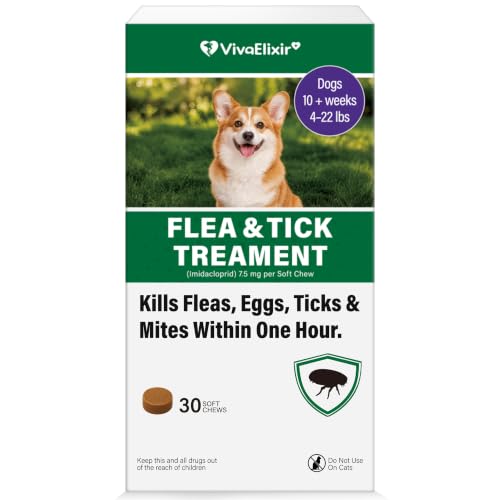
Best Thing to Get Rid of Fleas on a Dog
Find the fastest, most effective flea treatments for your dog. From top-rated OTC products to vet-recommended solutions, we compare the best options to eliminate fleas and keep them away.
Fleas are more than just a nuisance—they are a serious health threat to your dog. These tiny parasites can cause intense itching, allergic reactions, anemia (especially in puppies), and transmit tapeworms. If you've noticed your dog scratching more than usual or have seen "flea dirt" (dark specks) on their skin, it's time to act immediately.
This guide cuts through the confusion to help you discover the best thing to get rid of fleas on a dog. We'll cover the most effective treatments—from prescription oral medications to over-the-counter topicals and natural remedies—so you can choose the right approach for your pet and home. For a comprehensive plan, remember that you need to treat both your dog and their environment. Check our detailed guide on effective dog flea treatments for more in-depth advice.
Top Flea Treatments Compared
When it comes to eliminating fleas, not all treatments are equal. Here's a breakdown of the most effective options available today, categorized by their active ingredients and method of action.
1. Prescription Oral Chewables (e.g., NexGard, Bravecto, Simparica)
Active Ingredient: Afoxolaner, Fluralaner, or Sarolaner.
How It Works: These are systemic treatments. The medication enters your dog's bloodstream, and fleas die shortly after biting. They start killing fleas within 2-4 hours and provide a full month (or 3 months for Bravecto) of protection.
Why it's great: Extremely effective, fast-acting, and easy to administer (just a tasty chewable). They also help break the flea life cycle.
Best for: Most dogs, especially those with heavy infestations. Requires a vet prescription.
Estimated Price: $60–$80 per monthly dose
2. Topical Spot-On Treatments (e.g., Frontline Plus, Advantage II)
Active Ingredient: Fipronil, Imidacloprid, or Selamectin.
How It Works: Applied to the skin between the shoulder blades, these treatments spread via the skin's oils and kill fleas on contact. They typically start working within 12-24 hours.
Why it's great: Highly effective, no prescription needed for many brands (Frontline Plus, Advantage II), and some formulations include insect growth regulators (IGRs) to prevent future infestations.
Best for: Dogs that are difficult to give oral medication. A reliable and time-tested choice.
Estimated Price: $50–$70 for a 3-month supply
3. Fast-Kill Oral Tablets (e.g., Capstar, Nitenpyram)
Active Ingredient: Nitenpyram.
How It Works: This is an emergency treatment that starts killing adult fleas within 30 minutes. It's designed for immediate relief in heavy infestations.
Why it's great: Unbelievably fast action. It's a great first step to get immediate relief for your dog while you set up a longer-term preventive plan.
Best for: Used as a one-time treatment for acute infestations. Not for long-term control.
Estimated Price: $25–$40 for a 6-pack
4. Flea Collars (e.g., Seresto)
Active Ingredient: Flumethrin and Imidacloprid.
How It Works: These collars release a continuous dose of active ingredients over 8 months. They repel and kill fleas on contact.
Why it's great: Long-lasting, hands-off protection. It's a great value for its duration of action.
Best for: Dogs that are difficult to treat with topicals or oral medications, or for owners who want a low-maintenance solution.
Estimated Price: $60–$80 for an 8-month collar
Oral vs. Topical vs. Collars: Which is Best?
Choosing the right delivery method often comes down to your dog's lifestyle and your preferences. Here's a quick guide to help you decide.
- Oral Treatments: Best for convenience and speed. They are highly effective, not affected by bathing or swimming, and are often the fastest at killing fleas. They are an excellent choice for families with children, as there is no residue on the dog's coat. However, they usually require a vet prescription.
- Topical Treatments: A great over-the-counter option. They are effective for contact-killing and often include IGRs for comprehensive control. They are a good choice for dogs who are difficult to give pills. Be careful with water activities for 24-48 hours after application.
- Flea Collars: The most "set it and forget it" option. They provide long-lasting protection, are affordable in the long run, and many are water-resistant. However, they may not be as instantly effective during a heavy infestation as an oral treatment.
For a persistent infestation, a common strategy is to use a fast-kill tablet (like Capstar) initially, followed by a long-term monthly preventive (like NexGard or Frontline). You can learn more about various approaches in our guide on the best flea treatments for dogs with sensitive skin if your dog has a history of reactions.
Fast-Acting & Emergency Solutions
If you've found fleas on your dog and they are clearly uncomfortable, immediate relief is the priority. The fastest way to kill adult fleas is with a tablet containing nitenpyram (Capstar). These tablets start working within 30 minutes and can kill over 90% of adult fleas on your dog within 4 hours.
It's important to note that while fast-kill tablets provide instant relief, they don't offer long-term protection. They only kill adult fleas and don't prevent new ones from jumping on. For complete eradication, you'll need to combine a fast-acting treatment with a monthly preventive and treat your home environment. If the infestation is severe, a vet might also recommend a medicated bath using a prescription flea shampoo.
Pro Tip: After using a fast-acting treatment, you might see a lot of dead fleas on your dog. This is a good sign! Vacuum your home thoroughly and wash all bedding immediately to remove any fleas that have fallen off your pet.
Natural & Home Remedies
Many owners look for chemical-free ways to manage fleas. While natural remedies are often less effective than modern veterinary products, they can be useful supplementary tools.
- Diatomaceous Earth (Food Grade): This powder can be sprinkled on carpets, dog bedding, and even rubbed gently into your dog's coat. It works by absorbing the oils from the flea's exoskeleton, causing them to dehydrate. Be careful not to inhale it.
- Dawn Dish Soap Bath: A bath with original blue Dawn dish soap can kill fleas quickly by breaking down their outer shell. However, it's not a long-term solution and can dry out your dog's skin if used frequently.
- Apple Cider Vinegar: Diluted apple cider vinegar (50/50 with water) can be used as a spray. Fleas dislike the smell, but it will not kill them. It's a mild repellent at best.
- Lemon Spray: Boiling sliced lemons and using the cooled water as a spray is another mild repellent.
Remember, these natural methods are rarely enough to eliminate a full-blown flea infestation. They are best used in conjunction with a more powerful, vet-approved treatment.
Why Your Flea Treatment Might Not Be Working
It can be frustrating to treat your dog for fleas and still see them scratching. Here are the most common reasons why a flea treatment might fail, and how to fix them.
- You're Not Treating the Environment: This is the number one reason for treatment failure. Adult fleas on your dog are only 5% of the problem. The other 95% are eggs, larvae, and pupae in your home (carpets, bedding, furniture). Vacuum daily, wash bedding in hot water, and use an environmental spray or fogger.
- Incorrect Application: For topicals, ensure you apply the entire tube to the skin, not just the hair, at the base of the neck where your dog can't lick it off. For oral medications, make sure the dog consumes the full dose.
- Inconsistent Treatment: Flea preventives only kill fleas that are currently on the dog. If you stop treatment, new fleas can jump on from the environment immediately. Stick to the recommended monthly schedule year-round.
- Product Ineffectiveness: In some regions, fleas have developed resistance to certain older active ingredients (like permethrin). Modern products with newer active ingredients are generally more effective.
- Not Covering All Pets: All dogs and cats in the household must be treated. If you miss one pet, they will act as a "flea hotel" and re-infest your other pets and home.
Frequently Asked Questions
The fastest way is to use an oral fast-kill tablet like Capstar, which starts killing fleas within 30 minutes. This should be followed by a monthly preventive to provide lasting control.
Natural methods like food-grade diatomaceous earth or a bath with Dawn dish soap can help, but they are generally less effective than veterinary treatments. They are best used as supplementary measures in an integrated pest management plan.
Some of the most effective treatments, such as oral chewables like NexGard and Bravecto, require a prescription from your vet. However, many excellent over-the-counter options like Frontline Plus and Advantage II are available.
Many flea treatments are safe for puppies as young as 8 weeks (or 4 weeks for some products). Always check the label for the minimum age and weight requirements. Never use a product on a puppy that is not specifically labeled for their age and size. Consult your vet for a safe recommendation.
Ready to Solve Your Flea Problem?
Finding the right flea treatment is the first step to bringing your dog comfort and peace of mind. By understanding the options—from prescription medications to safe home treatments—you can choose the best strategy for your pet and household. We recommend starting with a fast-acting treatment for immediate relief, followed by a reliable monthly preventive. The products featured below are top-rated choices that have helped thousands of pet owners. With the right approach, you can get rid of fleas for good.