I Can't Get Rid of Fleas on My Dog – Here's What Actually Works
If you're frustrated and tired of battling fleas, you're not alone. This guide provides a complete, step-by-step action plan to eliminate fleas from your dog, home, and yard for good.
Finding fleas on your dog is stressful, but the real frustration begins when you've tried multiple treatments and the fleas keep coming back. The core problem is that most people only treat the fleas they see on their pet, missing the other 95% of the flea population living in your home. This guide explains exactly how to break the flea life cycle and get lasting results.
What You'll Learn in This Guide
Understanding the Flea Life Cycle (The 95% You're Missing)
To eliminate fleas, you must first understand their life cycle. Adult fleas on your dog make up only about 5% of the total infestation. The remaining 95% exist as eggs, larvae, and pupae in your carpets, furniture, bedding, and yard. Treating only your dog means you're fighting a battle you can't win because new fleas will continuously hatch and jump back on your pet.
The Four Stages of a Flea's Life
- Eggs: Tiny, white, and oval. They fall off your dog into carpets, bedding, and cracks in the floor.
- Larvae: Small, worm-like, and feed on "flea dirt" (digested blood) and organic matter. They avoid light and burrow deep into carpets.
- Pupae: A cocoon stage that is extremely resilient. Can survive for months and are resistant to many sprays. They are triggered to hatch by vibrations (like your walking) and heat.
- Adults: The fleas you see on your dog. They need a blood meal to reproduce and can lay up to 50 eggs per day.
Why You Keep Seeing Fleas: If you're only using a topical or oral treatment that kills adult fleas on your dog, you're missing the eggs and larvae in your home. Within a few days, those develop into new adults and re-infest your dog. This is why a multi-pronged approach is non-negotiable.
Immediate Relief for Your Dog (Stop the Biting)
Start by giving your dog immediate relief. This is step one, but remember it's only the first step.
- 1. Give a Flea Bath: Use a mild dish soap or a dog flea shampoo. Lather thoroughly from the neck down, creating a ring of soap around the neck to prevent fleas from escaping to the face. Let it sit for 5-10 minutes to drown adult fleas. This provides instant, but temporary, relief.
- 2. Fast-Acting Oral Treatment: Products like Nitenpyram (Capstar) start killing adult fleas within 30 minutes. This is excellent for immediate knockdown but offers no long-term protection.
- 3. Use a Flea Comb: After the bath, while your dog is still damp, use a fine-tooth flea comb to remove dead and dying fleas. Dip the comb in soapy water to drown them. This is a great way to physically remove fleas and monitor progress.
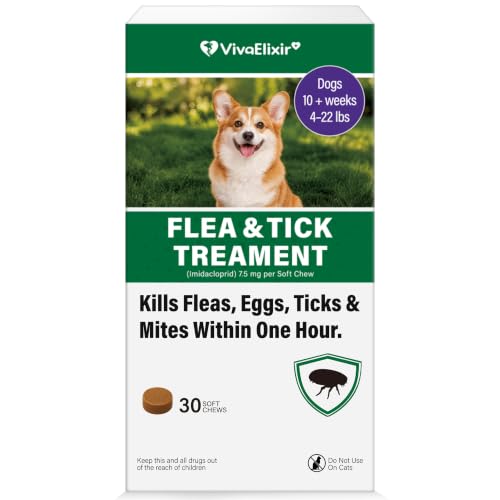
- 4. Apply a Monthly Preventive: This is crucial for long-term control. Choose a veterinarian-recommended topical or oral preventive like Bravecto, NexGard, or Simparica. These products break the flea life cycle by killing fleas before they can lay eggs. Your vet can help you choose the best one for your dog.
Important: Do not apply a topical preventive immediately after a flea bath. Wait at least 48 hours to allow your dog's natural skin oils to replenish. Always follow the product's instructions.
Treating Your Home (The Most Critical Step)
This is the step most people get wrong or skip entirely. To win the flea war, you must make your home inhospitable to fleas at every life stage.
Step-by-Step Home Treatment Plan
- Vacuum, Vacuum, Vacuum: This is your most powerful weapon. Vacuum all carpets, rugs, upholstery, and crevices. The vibrations stimulate flea pupae to hatch, making them vulnerable to your next steps. Empty the vacuum cleaner bag or canister outside into a sealed plastic bag and throw it away immediately.
- Wash All Bedding & Linens: Wash your dog's bedding, your own bedding, and any throw blankets in hot, soapy water. Use the hottest water setting and a high-heat dryer cycle to kill eggs, larvae, and adults.
- Use an Insect Growth Regulator (IGR): Sprays containing an IGR (like methoprene or pyriproxyfen) prevent flea eggs and larvae from developing into adults. These are safe for pets and people when dry. Focus on carpets, under furniture, and along baseboards. Follow all product instructions carefully.
- Consider Professional Foggers: For severe infestations, a flea fogger (bomb) can be effective. However, you must follow all preparation steps (cover food, turn off pilot lights, vacate the home for the specified time). Always read the label. A combination of IGR and adulticide is often best.
- Treat Hard Surfaces: Don't forget tile, wood, and vinyl floors. Mop these areas with a solution of water and a mild detergent to remove any eggs or flea dirt. Pay special attention to cracks and crevices.
Expert Tip: Vacuuming is your most effective tool. Do it daily for at least two weeks. The vibration from the vacuum will cause pupae to hatch, and then the IGR or adulticide spray will kill the newly emerged adults. If you have pets, keep them away from treated areas until they are completely dry.
Treating Your Yard & Outdoor Areas
If your dog spends time in your yard, you must treat the outside environment as well. Fleas thrive in warm, moist, shady areas.
- Keep Your Yard Clean: Mow the lawn regularly and remove debris like leaves, grass clippings, and brush. Fleas dislike direct sunlight and dry areas.
- Apply an Outdoor Flea Spray: Use a yard spray that contains an adulticide (like permethrin) and an IGR. Apply it to shady areas, under decks, along fences, and where your dog spends most of their time. Pay careful attention to kennels and dog houses.
- Keep Wildlife Out: Wild animals like raccoons, opossums, and squirrels can bring fleas into your yard. Try to keep them out by securing trash cans and avoiding leaving food out.
- Let in the Sun: If possible, allow sunlight into shaded areas. Fleas and their larvae cannot survive in hot, dry, direct sunlight.
Long-Term Flea Prevention (Breaking the Cycle)
After you've successfully eliminated the current infestation, the key is to keep fleas away permanently with a consistent prevention routine.
- Maintain Monthly Preventives: The most effective way to prevent fleas is to keep your dog on a veterinarian-approved monthly preventive, year-round. This is non-negotiable in flea-endemic areas.
- Regular Vacuuming: Make a habit of vacuuming frequently, especially in areas where your dog spends time. This is a simple and very effective way to prevent a new infestation from taking hold.
- Wash Bedding Weekly: Wash your dog's bedding and any other fabric they use regularly in hot water. This will kill any eggs or larvae that may have been brought in.
- Groom Your Dog Regularly: Regular grooming with a flea comb can help you spot any fleas early, before they can establish a breeding population. It's also a great way to bond with your pet.
- Manage Your Yard: Continue to keep your yard clean and treated. A well-maintained yard is less likely to harbor fleas.
Common Mistakes to Avoid (Why Your Previous Attempts Failed)
To ensure you don't waste time and money, avoid these common pitfalls that lead to failed flea control.
- Treating only the dog: As stressed throughout this guide, this is the biggest mistake. You must treat the environment.
- Using the wrong products: Not all flea products are created equal. Some shampoos and collars are ineffective. Stick with veterinarian-recommended products or those with proven active ingredients.
- Stopping treatment too early: The flea life cycle can last for months in the pupal stage. You must maintain treatment (both on your dog and in your environment) for at least 3-4 months to ensure that all stages of the life cycle are eliminated.
- Not reading product labels: Every product has specific instructions. Ignoring them can lead to ineffectiveness or, worse, potential toxicity. Always follow the label instructions to the letter.
- Forgetting about other pets: All pets in the household, including cats, must be treated. Fleas will simply move from one host to another.
Frequently Asked Questions About Flea Infestations
Ready to Win the Flea Battle?
Getting rid of fleas is a process, not a one-time event. By following this complete guide—treating your dog, your home, and your yard consistently—you can break the cycle and protect your dog from these persistent pests. Remember, patience and consistency are your greatest allies.