Best Way to Get Rid of Fleas on a Dog
Fleas are more than an itch—they can cause skin infections, anemia, and transmit disease. This guide walks you through the exact steps to eliminate fleas from your dog and your home, using vet-backed methods that actually work.
You found a flea—or worse, your dog is scratching constantly and you spotted the telltale black specks. Fleas are the most common external parasite affecting dogs, and they are notoriously difficult to eliminate because the flea you see on your dog represents only a tiny fraction of the total infestation [citation:11].
The good news: with the right combination of products and cleaning strategies, you can break the cycle. The key is understanding that killing adult fleas on your dog is only one part of the solution. You must also address the eggs, larvae, and pupae hiding in your carpet, bedding, and yard.
Quick Answer: The Best Approach
1. Start a vet-recommended oral or topical flea preventive immediately.
2. Bathe your dog with a gentle shampoo and use a flea comb to remove live fleas.
3. Vacuum your entire home thoroughly, wash all bedding in hot water, and continue vacuuming daily.
4. Treat your yard and keep all pets on year-round prevention.
Understanding the Flea Life Cycle
Fleas have four life stages: egg, larva, pupa, and adult. Only the adult flea lives on your dog. The other three stages exist in your environment—your carpets, furniture, pet bedding, and yard [citation:2][citation:6].
- Eggs: Laid by adult females on your dog, they fall off within hours and scatter throughout your home. They represent nearly half of the total flea population in an infested home [citation:6].
- Larvae: Tiny, worm-like creatures that hide in dark areas of carpets and bedding, feeding on flea dirt and organic debris.
- Pupae: The most resistant stage. Protected inside a cocoon, pupae can survive for months and are not killed by most insecticides. They emerge as adults when they sense warmth, vibration, or carbon dioxide [citation:2].
- Adults: The biting, itching stage you see on your dog. A female flea can lay up to 50 eggs per day.
This life cycle is why a single flea treatment rarely solves the problem. To eliminate fleas completely, you must interrupt every stage simultaneously. If you only treat your dog, newly hatched fleas from your carpet will jump back on within days.
Treating Your Dog: Fast Relief and Lasting Protection
The first priority is getting your dog comfortable. Here is the step-by-step process for removing fleas from your dog safely and effectively.
Step 1: Start a Vet-Recommended Flea Preventive
This is the single most important step. Over-the-counter products vary widely in effectiveness, and some fleas have developed resistance to older ingredients. Your veterinarian can recommend a product that works in your region and matches your dog's health status, weight, and lifestyle [citation:15].
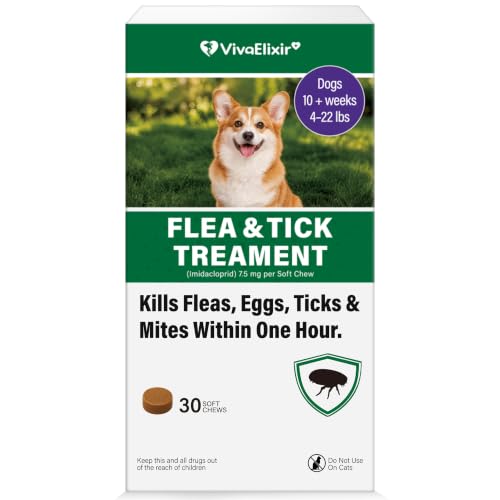
- Oral medications (chewables) begin killing adult fleas within hours and are not washed off by swimming or bathing. Many also treat ticks and internal parasites.
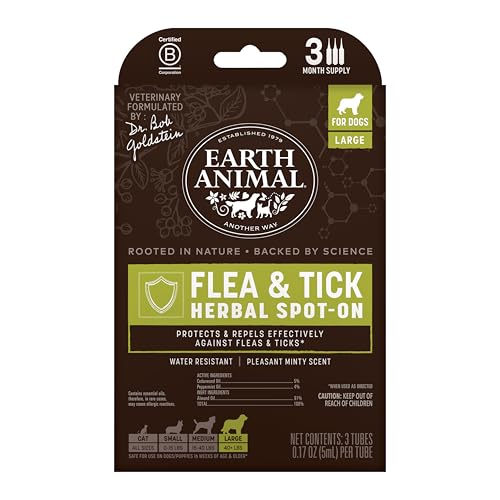
- Topical spot-on treatments are applied to the skin between the shoulder blades. They spread over the body and kill fleas on contact. Some require your dog not be bathed for a few days before and after application.
- Flea collars can provide long-lasting protection but vary significantly in efficacy. Prescription collars are generally more reliable than budget options.
Important: Never use a dog flea product on a cat. Many dog treatments contain permethrin, which is highly toxic to cats and can be fatal. If you have multiple pets, treat them all—but with species-appropriate products [citation:15].
For dogs with sensitive skin or allergies, look for flea treatments formulated for sensitive dogs. You can explore options like flea and tick treatment for dogs with sensitive skin to find products that minimize irritation while still killing fleas effectively.
Step 2: Give Your Dog a Bath
A bath provides immediate relief by physically washing away fleas, eggs, and flea dirt. Any gentle pet shampoo will work—the soapy water drowns fleas and helps remove debris from the coat [citation:3][citation:16].
- Wet your dog thoroughly with warm water, starting at the neck to prevent fleas from fleeing toward the head.
- Lather gently with a dog-safe shampoo. Avoid the eyes, ears, and mouth. If your dog has irritated skin, an oatmeal-based shampoo can soothe itching.
- Let the lather sit for 5-10 minutes if using a medicated flea shampoo. This gives the active ingredients time to work [citation:3].
- Rinse completely and towel dry. Fleas may try to climb toward the head as you rinse—be ready to comb them off.
If you prefer to explore medicated options, there are dog flea treatments available in shampoo, spray, and spot-on forms. For dogs with allergies, you may also want to read about dog food for allergies and sensitive stomach since skin health and nutrition are connected.
Step 3: Use a Flea Comb
A fine-toothed flea comb is one of the most effective tools for physically removing fleas from your dog's coat. It also helps you monitor how severe the infestation is and whether your treatment is working [citation:3][citation:6].
- Keep a bowl of hot soapy water nearby. After every few strokes, dip the comb into the water to drown captured fleas.
- Focus on the neck, the area in front of the tail, and the belly—fleas congregate in these warm, sparsely-haired regions [citation:2].
- Comb daily during an active infestation. This removes newly hatched fleas before they can lay more eggs.
Step 4: Consider Oral Flea Medication for Severe Cases
If your dog is heavily infested or extremely uncomfortable, ask your vet about an oral flea medication like spinosad or afoxolaner. These prescription chewables begin killing fleas within 30 minutes to a few hours, providing rapid relief and breaking the life cycle faster than topical products alone [citation:14].
For dogs that cannot take prescription medication, there are oral flea and tick options without a vet prescription available, though these are generally less potent than prescription-strength products.
Treating Your Home and Yard
This is the step most dog owners underestimate. If you do not eliminate fleas from your environment, your dog will be reinfested within days. The CDC recommends a four-step process: sanitation, pet treatment, home treatment, and follow-up [citation:2].
Indoor Treatment: Vacuum, Wash, Repeat
- Vacuum everything. Carpets, rugs, upholstered furniture, under furniture, along baseboards, and even cracks in hardwood floors. Vacuuming removes eggs, larvae, and pupae, and the vibration encourages pupae to emerge where they can be killed [citation:7][citation:16].
- Empty the vacuum immediately. Seal the bag or empty the canister into an outdoor trash bin. Fleas can survive inside vacuum bags and escape back into your home.
- Wash all bedding in hot water. Your dog's bed, blankets, your own bedding if your dog sleeps with you, and any washable pet toys. Hot, soapy water kills all life stages [citation:16].
- Steam clean carpets and furniture. The high temperature penetrates fibers and kills fleas and eggs that vacuuming missed. This is especially important in rooms where your dog spends the most time [citation:7].
- Use an insect growth regulator (IGR) spray if needed. IGRs prevent larvae from developing into adults. They are not insecticides—they disrupt the flea life cycle. Follow label instructions carefully and keep pets away until dry.
Why vacuuming matters more than you think: For every adult flea you see on your dog, there are approximately 99 other fleas in your home in the egg, larval, or pupal stages [citation:11]. Vacuuming is the most effective non-chemical method for reducing this environmental population.
Yard Treatment: Make It Less Hospitable
Fleas prefer shady, humid areas and cannot tolerate direct sun for long periods [citation:11]. To reduce fleas in your yard:
- Mow frequently and expose more soil to sunlight.
- Remove debris piles—leaves, branches, and tall grass provide ideal flea habitat.
- Avoid overwatering and fix drainage issues that create damp, shady spots.
- Deter wildlife like rodents and stray animals that can carry fleas into your yard.
- Treat shaded areas with pet-safe insecticides if the infestation is severe. Focus on areas where your dog spends the most time [citation:2].
If you have a serious infestation that does not respond to DIY methods, consider hiring a professional pest control service. Tell them you have pets so they can choose products that are safe for your dog [citation:11].
Long-Term Prevention That Works
Once you have eliminated the active infestation, the focus shifts to prevention. The best way to deal with fleas is to never let them establish a foothold.
- Keep all pets on year-round flea prevention. Fleas can survive indoors in heated homes during winter. Stopping prevention in cold months often leads to a spring explosion.
- Check your dog after outdoor activities. Run a flea comb through your dog's coat after hikes, dog park visits, or time in tall grass. Early detection means faster elimination.
- Maintain a clean home. Vacuum at least weekly (daily during flea season in high-risk areas) and wash pet bedding regularly.
- Keep your yard maintained. Short grass, no debris, and sun exposure make your yard less attractive to fleas.
- Ask your vet about resistance. If your dog is on prevention but still gets fleas, the product may not be effective in your area. Your vet can switch you to a different class of medication [citation:1].
For dogs prone to skin issues, flea prevention is especially critical. Flea allergy dermatitis—an allergic reaction to flea saliva—can cause intense itching, hair loss, and secondary infections from just a few bites. If your dog has skin allergies, explore allergy medicine for itching and discuss a comprehensive flea control plan with your vet.
Common Mistakes to Avoid
- Treating only the dog. This is the most common mistake. Without environmental treatment, reinfestation is guaranteed. Eggs and larvae in your carpet will hatch and jump back on your dog within days.
- Using dog products on cats. Permethrin-based dog products are toxic to cats. Always use species-specific treatments.
- Skipping follow-up treatments. Flea pupae can survive for months and are resistant to most products. Continue vacuuming and prevention consistently for at least 3-4 months after the last flea is seen [citation:2].
- Overdosing or mixing products. Never combine multiple flea products without veterinary guidance. Overexposure to insecticides can cause neurological symptoms, vomiting, and other serious reactions.
- Bathing immediately after topical treatment. Most spot-on products need 48-72 hours to spread and absorb. Bathing too soon washes the medication off before it can work.
- Expecting instant results. Even the best products take time to break the life cycle. You may see fleas for several weeks as pupae emerge. Consistency is key.
If you have tried multiple products and are still struggling, you are not alone. Many owners find themselves in a cycle of not being able to get rid of fleas on their dog because they have not addressed the environmental reservoir. A comprehensive approach is the only reliable solution.
Frequently Asked Questions
The Bottom Line
Getting rid of fleas requires a two-front approach: treat your dog and treat your environment. Start with a vet-recommended preventive, give your dog a soothing bath, comb daily, and vacuum your home like you mean it. Stay consistent for months, not days. If you have tried everything and are still struggling, your vet can help you switch to a different class of medication or recommend professional pest control. For more detailed product comparisons, see our guide to the best things to get rid of fleas on a dog.